Painting your Jeep fenders can give your vehicle a fresh look and protect it from rust and scratches. Many Jeep owners do this at home to save money and get a custom finish. But getting great results takes careful prep, the right tools, and some patience. If you’re new to painting car parts, don’t worry—this guide walks you through each step, shares expert tips, and helps you avoid common mistakes.
Why Paint Your Jeep Fenders?
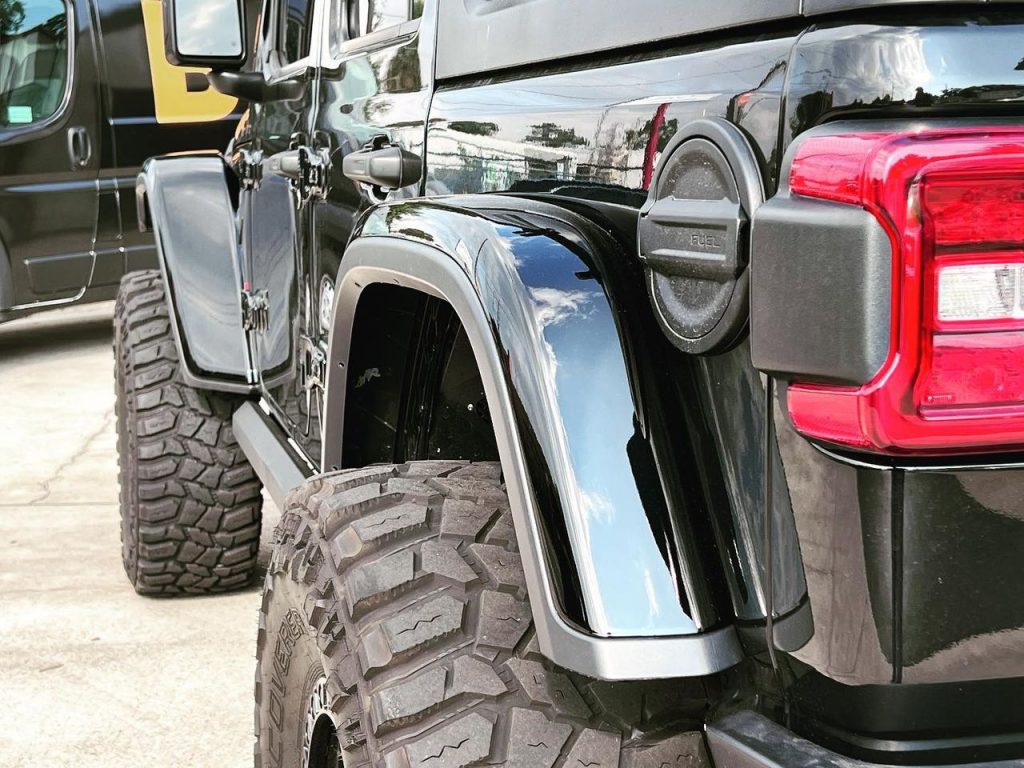
Painting your fenders is not just about looks. It also adds a protective layer to prevent rust, UV damage, and scratches from rocks or branches when off-roading. A good paint job can even increase your Jeep’s resale value. Most fenders are made from steel, aluminum, or plastic. Each type needs special prep and paint. Understanding your fender’s material is the first step for a long-lasting finish.
Tools And Materials You Need
Having the right tools makes the job easier and gives better results. Here’s what you should have:

- Sandpaper (220, 400, and 800 grit)
- Automotive primer (spray can or liquid)
- Automotive paint (color of your choice)
- Clear coat (for extra shine and protection)
- Wax and grease remover
- Masking tape and paper
- Clean rags or microfiber towels
- Plastic drop cloths (to protect your garage/floor)
- Safety gear (gloves, mask, goggles)
If you want a factory-quality finish, use a spray gun and air compressor. For most DIYers, spray cans work well with proper technique.

Step-by-step Painting Process
1. Remove And Clean The Fenders
Take the fenders off your Jeep if possible. This lets you reach all surfaces and avoids getting paint on your Jeep. Wash the fenders with soap and water to remove dirt and debris. Dry completely, then wipe them with wax and grease remover.
2. Sand The Surface
Sanding is key for paint to stick well. Start with 220-grit sandpaper to remove old paint, rust, or rough spots. Move to 400-grit for smoothing, then finish with 800-grit for a fine surface. Wipe with a clean rag to remove dust.
3. Mask Off Areas
Use masking tape and paper to cover any parts you don’t want to paint like mounting points or trim. Tape carefully for sharp paint lines.
4. Apply Primer
Hold the spray can or gun about 8–10 inches from the surface. Spray in light, even coats. Wait 10–15 minutes between coats. Usually, 2–3 coats of primer work best. Let the primer dry fully (at least 1 hour). Lightly sand with 800-grit sandpaper between coats for a smooth base.
5. Spray The Color Coat
Shake your paint can well. Spray using the same 8–10 inch distance. Use 3–4 thin coats, waiting 10–15 minutes between each. Don’t rush or spray too thick—drips and runs are hard to fix.
6. Apply Clear Coat
After the color dries for 30–60 minutes, add the clear coat. This makes the paint shine and adds protection. Apply 2–3 light coats, waiting 10 minutes between each.
7. Let It Cure
After the last coat, let the fenders dry for at least 24 hours in a dust-free place. The paint will harden more over the next 7 days.
Avoid washing or waxing the fenders during this time.
Quick Comparison: Spray Cans Vs. Spray Gun
Choosing between spray cans and a spray gun affects your results, budget, and difficulty level.
| Feature | Spray Cans | Spray Gun |
|---|---|---|
| Cost | Low | High (needs compressor, gun) |
| Finish Quality | Good for DIY | Professional |
| Learning Curve | Easy | Medium/Hard |
| Best For | Small jobs, beginners | Show cars, large parts |
Common Mistakes And How To Avoid Them
Even experienced DIYers make mistakes. Here’s how to prevent the most common ones:
- Skipping prep: Not cleaning or sanding enough causes peeling or bubbles.
- Painting in bad weather: Humidity or cold slows drying and ruins the finish. Paint in a dry, warm space.
- Spraying too thick: Thick coats drip and crack. Use multiple thin coats.
- Not letting paint dry: Handling fenders too soon leaves fingerprints or smudges.
How Long Does It Take?
Painting fenders is a project you can finish in one weekend. Here’s a rough time breakdown:
| Step | Time (hours) |
|---|---|
| Remove & Clean | 1 |
| Sand & Mask | 1.5 |
| Prime & Paint | 2 |
| Clear Coat | 0.5 |
| Dry/Cure | 24+ |

Pro Tips For A Better Result
- Test spray on cardboard before painting the fender.
- If using metallic paint, spray in only one direction for an even look.
- Let each coat dry fully before the next. Rushing causes flaws.
- If you find a run or drip, let it dry, sand gently, and re-spray.
- Consider using plastic adhesion promoter for plastic fenders.
Many first-timers forget to check the weather. Even small changes in humidity can cause a hazy finish.
Also, always buy more paint than you think you need matching color later is tough.
Cost Breakdown: Diy Vs. Professional
A DIY job usually costs $50–$100 for supplies. Professional shops charge $200–$400 per fender depending on location and paint type.
| Option | Average Cost | Quality |
|---|---|---|
| DIY (Spray Can) | $50–$100 | Good |
| Professional Shop | $200–$400 | Excellent |
If you want more details on car paint types and techniques, the Wikipedia Automotive Paint page is a great resource.
Frequently Asked Questions
How Long Does The Paint Last On Jeep Fenders?
A good paint job can last 3–5 years or longer. How long depends on the paint quality, prep, and how you care for your Jeep.
Can I Paint The Fenders Without Removing Them?
Yes, but removing them gives a better finish and protects other parts from overspray. If you leave them on, mask off everything around them very carefully.
What Kind Of Paint Should I Use For Plastic Fenders?
Use automotive plastic paint and a plastic adhesion promoter. Regular paint might peel or crack on plastic.
Is It Safe To Use Spray Cans For Fenders?
Yes, spray cans are safe and popular for DIY. The key is using thin coats and proper prep for lasting results.
Do I Need To Sand Between Coats?
Light sanding between primer and color coats helps each layer stick better. Use 800-grit sandpaper and wipe off dust before the next coat.
Painting your Jeep fenders at home can be rewarding and save money. With the right tools, careful prep, and patience, you can get results that look almost professional.
Take your time, follow each step, and enjoy your Jeep’s new look!