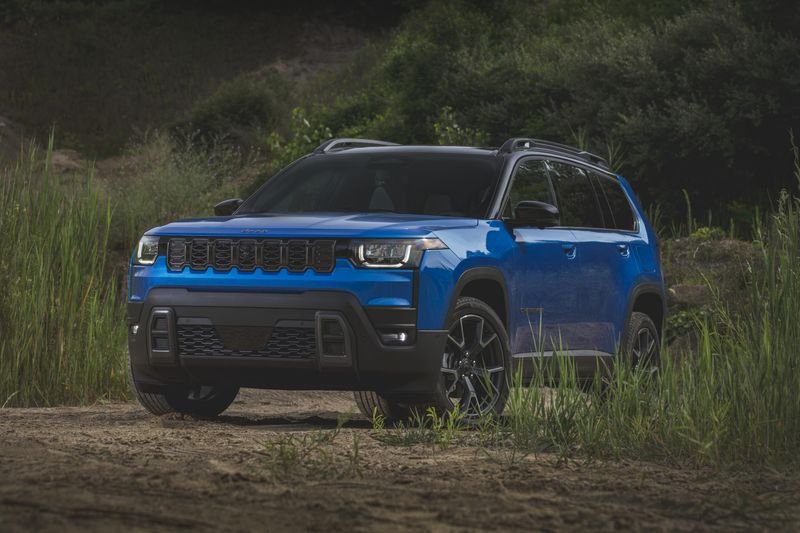
If you ever find yourself inside a Jeep and need to open the trunk from the inside, you’re not alone. This situation can happen for various reasons maybe you’ve accidentally locked yourself in, or you need quick access to the cargo area.
Whatever the reason, knowing how to open the trunk from inside is essential for safety and convenience. Let’s explore how you can do this for most Jeep models, what to expect, and some practical tips to handle it smoothly.
Understanding Jeep Trunk Mechanisms
Jeep vehicles, such as the Jeep Grand Cherokee, Jeep Wrangler, and Jeep Compass, have different trunk designs. Some use a traditional liftgate, while others have a swing gate or a hatch that opens upwards. Newer Jeep models often include a built-in emergency release, while older ones may not.

Here’s a quick comparison of common Jeep trunk types:
| Model | Trunk Type | Interior Release |
|---|---|---|
| Wrangler | Swing Gate | Often Yes |
| Grand Cherokee | Liftgate | Usually Yes |
| Compass | Liftgate | Varies by Year |
| Renegade | Liftgate | Yes |
Not all Jeeps have the same interior mechanisms, so always check your owner’s manual.
How To Open A Jeep Trunk From Inside
Opening the trunk from the inside can be straightforward, but the method depends on your Jeep’s model and year. Here’s a general step-by-step guide:
1. Locate The Emergency Release Handle
Most newer Jeeps have a glow-in-the-dark handle inside the trunk. This handle is designed for emergencies and is easy to spot. Look for it near the latch or on the inside panel of the trunk door.
2. Fold Down The Rear Seats (if Needed)
If you can’t access the trunk directly, fold down the rear seats. Most Jeeps allow you to fold seats flat, giving you room to reach the trunk area.
3. Pull The Release Handle
Firmly pull the emergency release handle. You should feel the latch disengage.
Push the trunk door open once you hear the click.
4. Alternative: Manual Release (older Models)
If your Jeep does not have an emergency handle, look for a small access panel near the latch. You might need a screwdriver or similar tool to move the latch manually. Be careful not to damage the panel.
5. Push The Trunk Open
After releasing the latch, push the door with steady pressure. Some trunks are heavier, so use your whole hand or shoulder if needed.
Example: Jeep Grand Cherokee (2020 Model)
- Fold the rear seats flat.
- Crawl into the trunk area.
- Find the glow-in-the-dark handle on the liftgate.
- Pull the handle and push the gate open.
Example: Jeep Wrangler (2018 Model)
- Swing gate style.
- Find the small emergency lever near the lower latch.
- Pull the lever and push out.
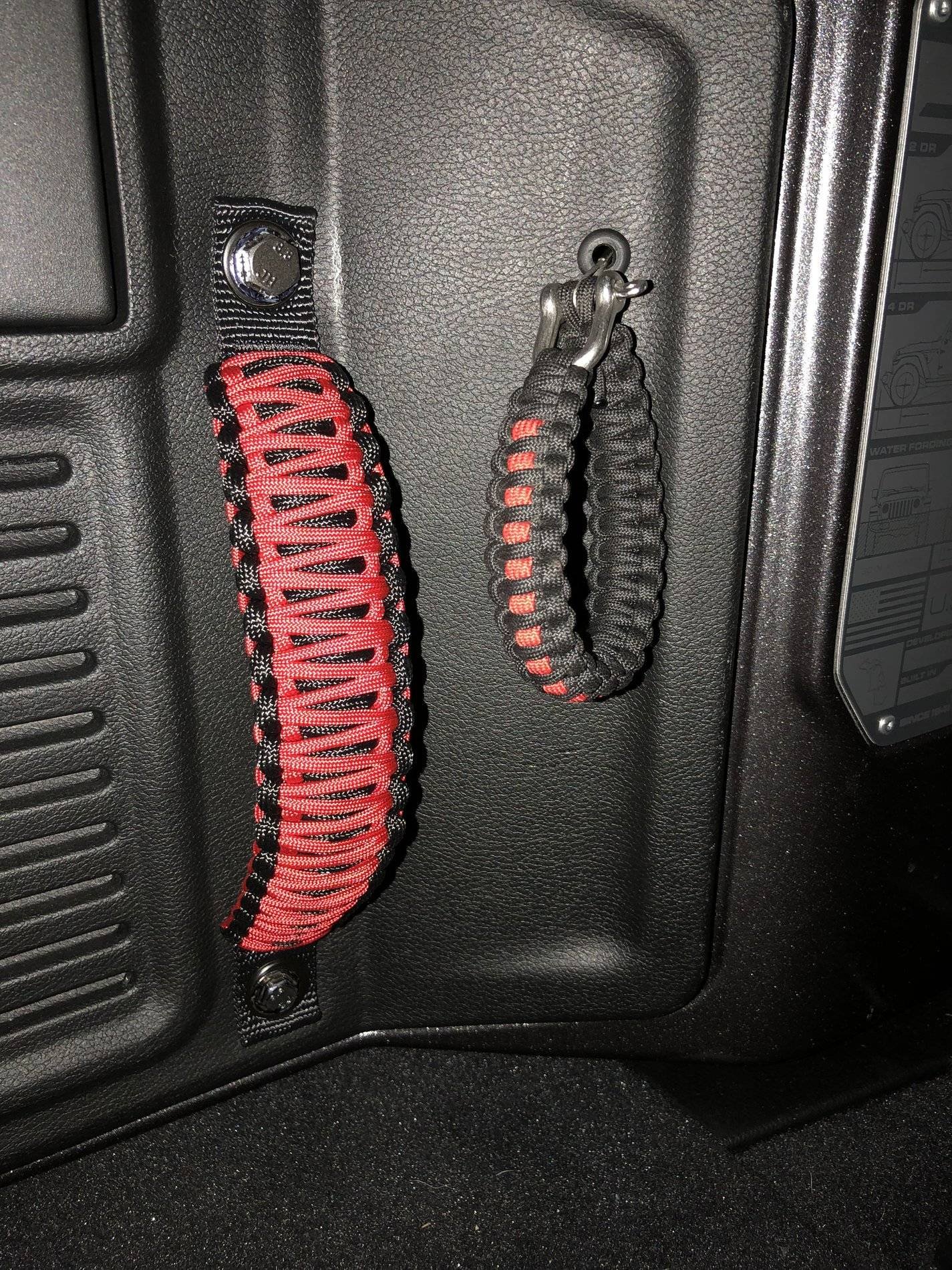
What If There’s No Release Handle?
Older Jeeps or base models may not have an emergency release. In that case:
- Look for a manual latch mechanism under a plastic cover.
- Carefully remove the cover (if present).
- Slide the latch with your finger or a flat tool.
- Avoid using sharp tools that can break the plastic.
If you can’t find any release, check your owner’s manual or visit an official Jeep service center.
Safety Features And Legal Requirements
Since 2002, US law requires all new cars with trunks to have an emergency release inside. Jeep follows this law, but some older models (before 2002) might not have this feature.
Here’s a breakdown of Jeep models and their emergency trunk release status:
| Year | Emergency Release | Comments |
|---|---|---|
| 2002 and later | Required | All new models |
| Before 2002 | Not required | Some models lack release |
Always check your specific model year to know what’s available.
Common Mistakes To Avoid
Many people make simple errors when trying to open the trunk from inside. Here are some key mistakes and how to avoid them:
- Overlooking the Release Handle: Some people miss the handle because it’s small or hidden under a cover.
- Using Excessive Force: Forcing the trunk can break the latch or the panel. Always locate the right release before applying pressure.
- Forgetting to Fold Seats: Not all Jeeps have direct trunk access from the passenger area. Folding seats may be necessary.
- Not Reading the Manual: Your owner’s manual gives the exact trunk-opening method for your model.
Practical Tips For Jeep Owners
- Familiarize Yourself: Before an emergency, check where the trunk release is in your Jeep.
- Practice Once: Try opening the trunk from inside when you first get your Jeep. This prevents panic during a real emergency.
- Keep Tools Handy: A small flashlight and a flat tool can help if you need to access a hidden latch.
- Teach Others: Make sure family members, especially kids, know about the emergency release.
- Check for Recalls: Sometimes, trunk mechanisms are recalled. Stay updated by visiting the official Jeep website or the National Highway Traffic Safety Administration.

Frequently Asked Questions
How Do I Know If My Jeep Has An Emergency Trunk Release?
Most Jeeps made after 2002 have a glow-in-the-dark handle inside the trunk. Check your owner’s manual or look inside the trunk area for a small handle or lever.
Can I Open The Jeep Trunk From Inside If The Battery Is Dead?
Yes, the emergency release handle is mechanical and works even if the battery is dead. However, power liftgates will not open electrically, so you must use the manual release.
What Should I Do If The Emergency Release Handle Is Broken?
If the handle is broken or missing, try to access the manual latch through a small panel near the lock. If you can’t reach it, contact a Jeep service center for help.
Is It Safe For Kids To Use The Emergency Trunk Release?
Yes, the handle is designed to be easy and safe for all passengers, including children. It usually glows in the dark for quick visibility in emergencies.
Where Can I Find The Exact Trunk Release Location For My Jeep Model?
The best source is your owner’s manual. You can also visit the official Jeep website or ask at a certified Jeep dealership for precise information.
Opening your Jeep’s trunk from the inside is a practical skill that can be a lifesaver in emergencies. Take a few minutes to understand your Jeep’s design, locate the emergency release, and practice using it.
This knowledge gives you peace of mind and ensures you’re ready for any unexpected situation on the road.