Unlocking the sunroof in your Jeep Renegade can make your drive more enjoyable, letting in fresh air and sunlight. But many owners especially first-timers are unsure how to operate the sunroof safely.
If you want to make the most of your Renegade’s sunroof and avoid common mistakes, this guide will walk you through every detail you need to know.
Understanding The Jeep Renegade Sunroof System
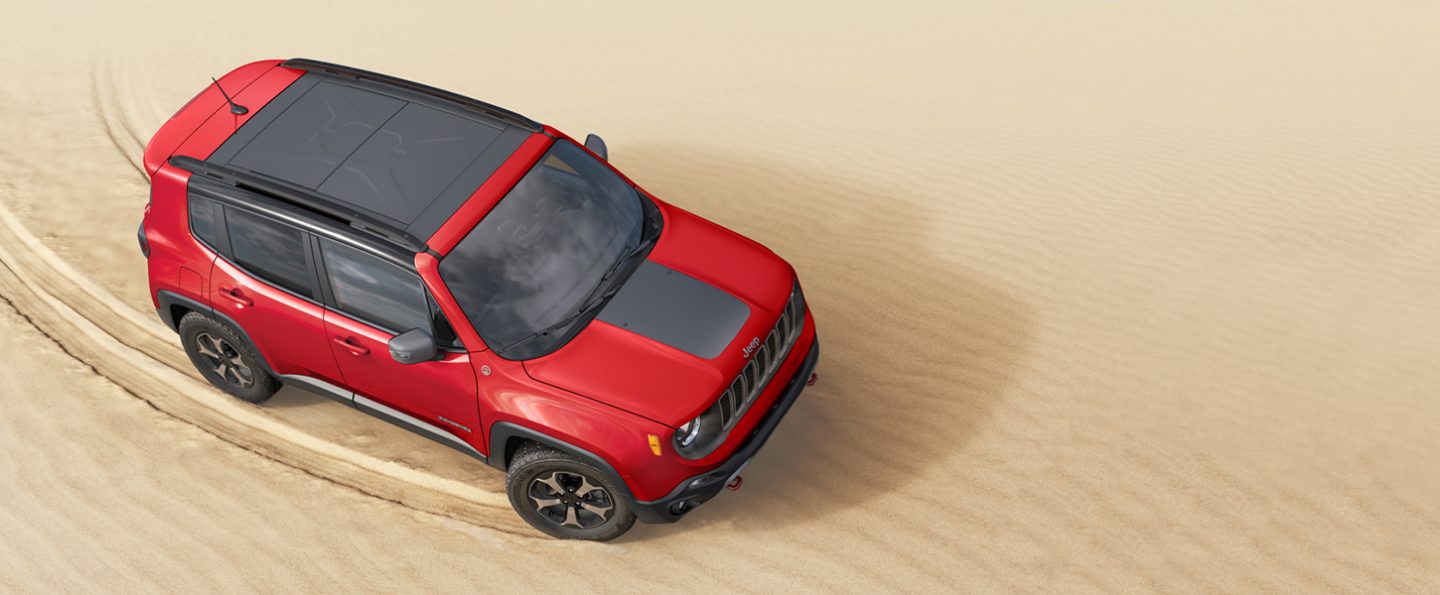
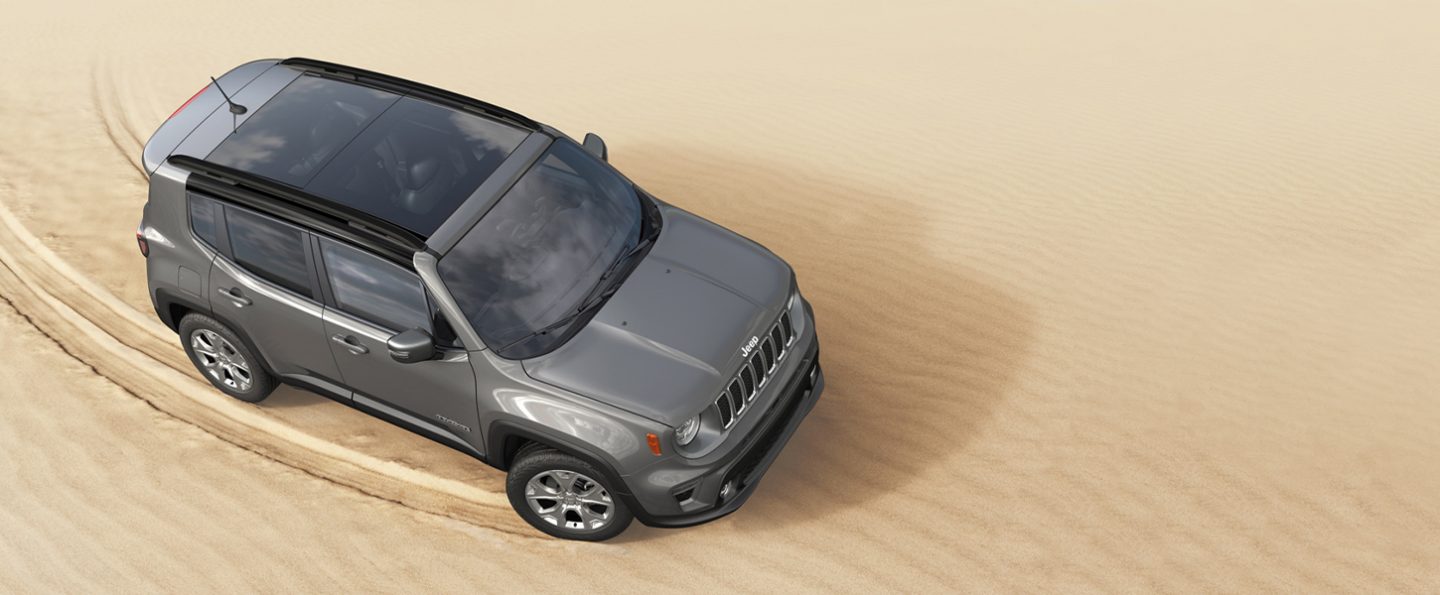
The Jeep Renegade comes with two main sunroof options: My Sky removable panels and a power sunroof. Not every model has both, so first check which system your Renegade uses. Here’s how they differ:
| Feature | My Sky Removable Panels | Power Sunroof |
|---|---|---|
| Operation | Manual (removable) | Automatic (push-button) |
| Panel Storage | In trunk bag | N/A |
| Available Models | Sport, Latitude, Trailhawk | Limited, Latitude (optional) |
My Sky panels are unique to the Renegade, giving you a semi-convertible feel. The power sunroof works like traditional electric sunroofs in other vehicles.
How To Open The Jeep Renegade Power Sunroof
If your Renegade has a power sunroof, it’s simple to use. Here are the steps:
- Start the engine or switch the ignition to ON. The sunroof system only works when the car is on.
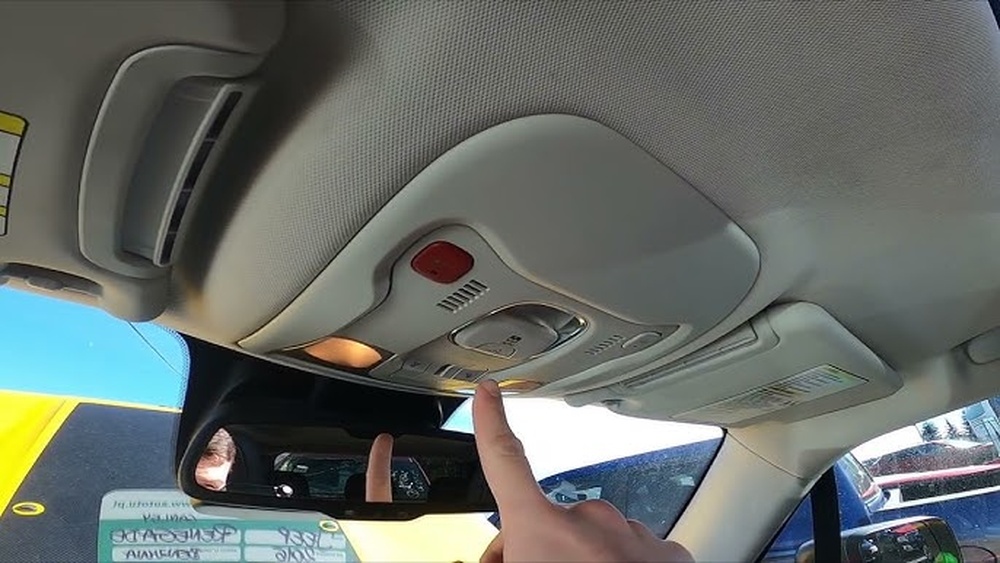
- Locate the sunroof controls on the overhead console, between the driver and passenger seats.
- Press the ‘Open’ button backward to slide the glass panel open. Hold until the sunroof is fully open or at your desired position.
- To tilt for ventilation, press the button upward (instead of backward).
- To close the sunroof, press the button forward until the panel returns to the closed position.
Most models have an auto-open feature—one full press slides the panel all the way open. Partial presses let you adjust the opening size. Some drivers miss the tilt function, which is handy for letting out hot air without fully opening the sunroof.
Safety Tips For Using The Power Sunroof
- Never open the sunroof when driving over 40 mph on highways to avoid wind buffeting.
- Make sure no objects block the sunroof when closing.
- Use the sunshade (manual or automatic) to reduce glare and heat.
Opening The My Sky Removable Panels
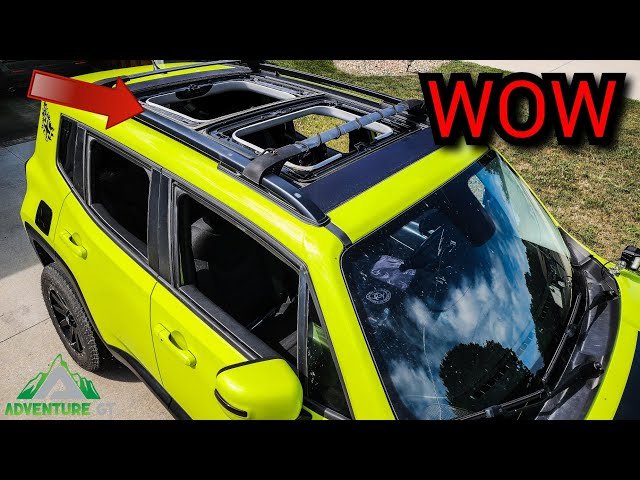
The My Sky system is more hands-on. You can remove one or both panels to enjoy an open-air feeling. Here’s the process:
- Unlatch the locking handles (usually two per panel) on the ceiling.
- Rotate the handles fully to release the panel from the roof.
- Lift the panel upward carefully. Each panel is lightweight but awkward to handle.
- Store panels in the protective bag in your trunk if you plan to drive with them off.
Reattaching is just the reverse: align, set in place, and lock the handles.
Non-obvious tip: Always check weather conditions before removing the panels. Sudden rain can damage your interior if you’re far from home. Also, never force the panels—they should release smoothly if unlocked properly.
| Action | My Sky Panels | Power Sunroof |
|---|---|---|
| Removal Time | 2-3 minutes | N/A |
| Risk of Misuse | Panel breakage if forced | Motor burnout if obstructed |
| Storage Needed | Yes, for panels | No |
Common Issues And Troubleshooting
Sometimes, the sunroof may not open as expected. Here are frequent problems and solutions:
- Power sunroof not responding: Check if the car’s battery is low or the fuse is blown. The sunroof needs enough power to operate.
- Panels won’t release: Ensure all latches are fully rotated. If stuck, don’t force—inspect for debris or broken handles.
- Strange noises when opening: Clean the sunroof tracks or seals. Lubricate with silicone spray if needed.
- Water leaks: Check the panel seals or sunroof drains. Blocked drains can cause leaks after rain.
Many owners don’t realize the sunroof system can be disabled by the child lock or system error. If all else fails, consult your owner’s manual or a certified Jeep dealer.
Maintenance Tips For Longevity
Regular care keeps your sunroof working smoothly:
- Clean the seals and tracks monthly to prevent dirt buildup.
- Use only silicone-based lubricants on moving parts.
- Check panel locks and handles for wear every few months.
- Avoid slamming the panels or controls.
Keeping the sunroof clean also reduces noise and prevents leaks. If you notice any resistance, stop and inspect forcing the mechanism can lead to costly repairs.
When Not To Use The Sunroof
There are times when opening the sunroof is not safe:
- During heavy rain or snow
- On dusty or sandy roads (to prevent debris entering)
- When parked under trees (falling objects can damage the glass or panels)
- If children are standing or reaching out of the opening
These situations can cause damage or unsafe conditions inside your Jeep.
Advantages And Drawbacks
Opening the sunroof has both benefits and potential downsides:
| Pros | Cons |
|---|---|
| Fresh air, sunlight, open view | Possible leaks if not sealed |
| Better ventilation | Extra noise at high speeds |
| Enhanced driving experience | Maintenance needed |
Frequently Asked Questions
Can I Open The Jeep Renegade Sunroof When The Car Is Off?
No, the power sunroof only works when the ignition is on. For My Sky panels, you can remove them anytime the vehicle is stationary.
What Should I Do If The Sunroof Gets Stuck?
First, check the battery and fuses. If the sunroof still won’t move, inspect for debris or damage.
If you can’t solve the issue, contact a Jeep dealer.
How Do I Prevent Water Leaks From The Sunroof?
Keep the seals and drains clean. Avoid opening the sunroof during rain.
For My Sky panels, always ensure they are locked securely after reattaching.
Can I Drive At High Speeds With The Sunroof Fully Open?
It’s safe up to moderate speeds, but above 40 mph, wind noise and buffeting can become uncomfortable. Closing the sunroof or keeping it partially open is better at highway speeds.
Where Can I Find More Details About My Specific Sunroof System?
Your owner’s manual is the best source. You can also visit the official Jeep Renegade website for specifications and guides.
Opening your Jeep Renegade sunroof can make every trip more enjoyable. With these steps and tips, you’ll operate it safely and smoothly, avoiding common mistakes and getting the most from your vehicle’s unique features.