Opening the front hood of a Jeep may seem simple, but for many new owners or anyone facing a different model, it can be confusing. The hood protects critical engine parts, and opening it safely is important for checking fluids, inspecting the battery, or troubleshooting issues.
This guide breaks down the steps, offers tips, and highlights common mistakes so you can confidently access your Jeep’s engine bay. Whether you drive a Jeep Wrangler, Grand Cherokee, or another model, you’ll find practical advice for your specific vehicle.
Understanding Your Jeep’s Hood Mechanism
Most Jeep models use a two-stage latch system for the hood. The first latch releases from inside the cabin, while the second is a safety latch under the hood.
This design prevents the hood from accidentally opening while driving.
Different models may have slightly different mechanisms. For example, the Jeep Wrangler uses external hood latches, while the Grand Cherokee uses an internal lever and secondary latch. Knowing your model’s system helps prevent damage and saves time.
Here’s a quick comparison of common Jeep hood release locations:
| Jeep Model | Primary Release Location | Secondary Latch |
|---|---|---|
| Wrangler | Exterior hood latches | Under front edge of hood |
| Grand Cherokee | Driver’s side cabin lever | Under front center of hood |
| Compass | Driver’s side cabin lever | Under front center of hood |
Step-by-step Guide To Opening Your Jeep’s Hood
The process is straightforward, but attention to detail prevents mistakes and keeps your Jeep in good condition.
1. Prepare Your Jeep
- Park your Jeep on a flat surface.
- Turn off the engine and let it cool for at least 10 minutes. This avoids burns from hot engine parts.
2. Locate The Hood Release
For most models, the hood release lever is on the driver’s side, either under the dashboard or near the footwell. On older Wranglers, you’ll find two exterior hood latches on each side of the hood.
3. Pull The Primary Release
- For cabin levers: Pull the lever firmly. You should hear a click as the hood pops up slightly.
- For Wrangler latches: Unfasten both exterior latches.
4. Find The Secondary Latch
Move to the front of your Jeep. Reach under the center or slightly to the right of the hood. You’ll feel a secondary safety latch. Slide it to the side or push up, depending on your model.
5. Lift The Hood
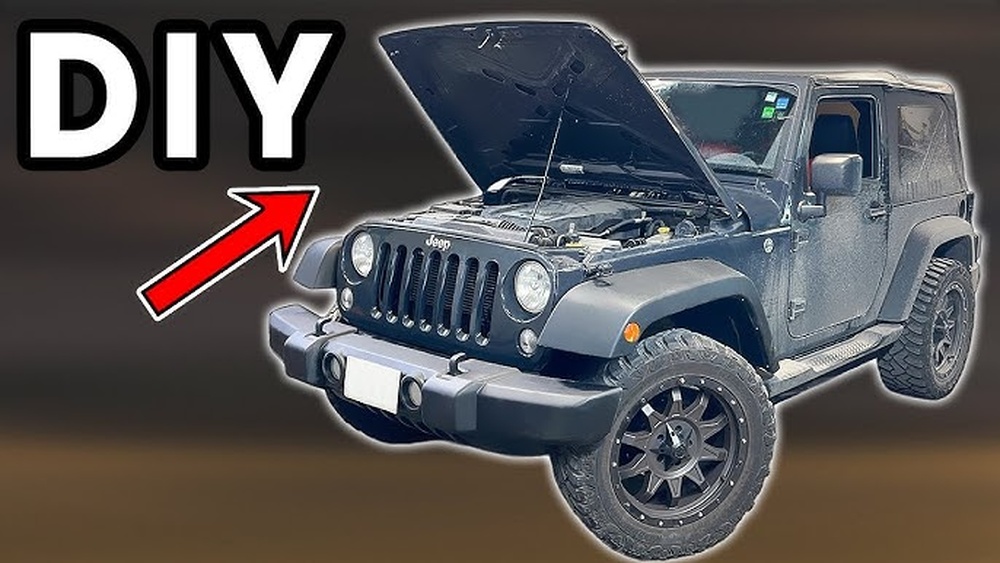
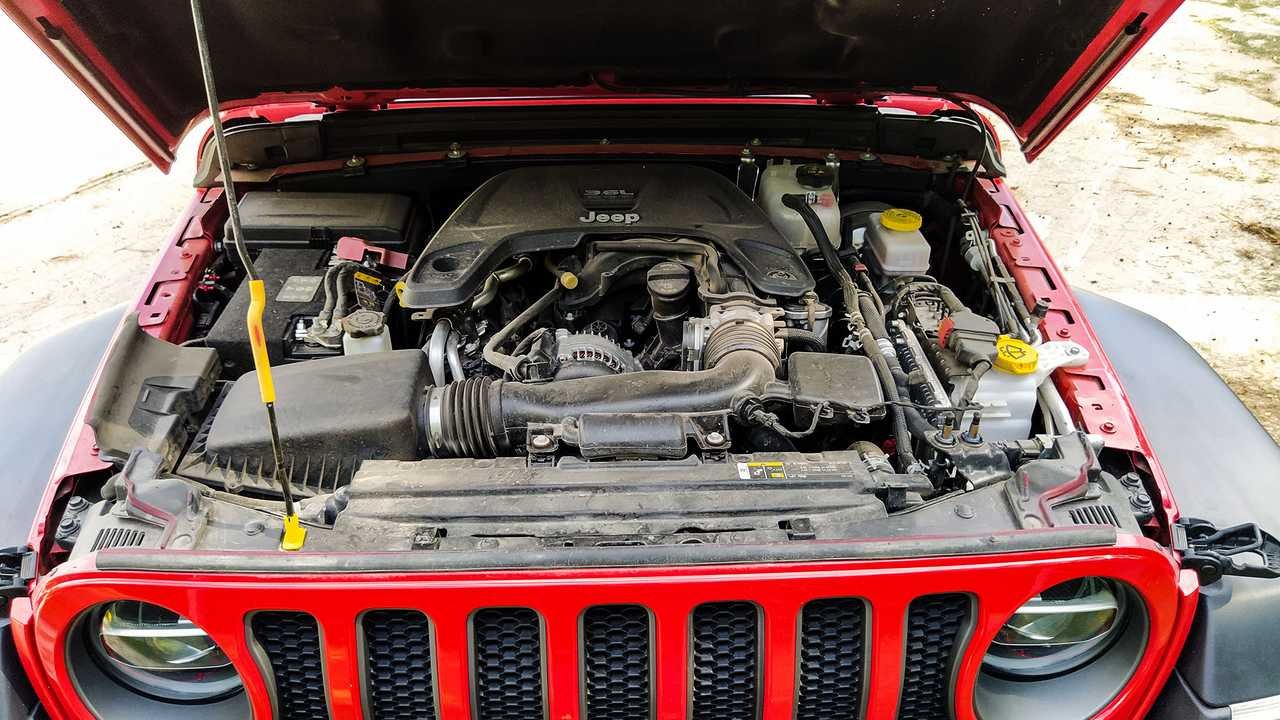
Once the latch is released, lift the hood carefully. Some Jeeps have hydraulic struts that hold the hood open, while others use a hood prop rod.
| Model | Hood Support Type | Year Range |
|---|---|---|
| Wrangler | Prop rod | Pre-2018 |
| Wrangler | Hydraulic struts | 2018+ |
| Grand Cherokee | Hydraulic struts | 2011+ |
6. Secure The Hood
If your Jeep uses a prop rod, insert it into the designated slot. For hydraulic struts, the hood will stay open automatically.
Always check that the hood is stable before working under it.
Practical Tips For Safe Hood Operation
- Do not force the hood if it feels stuck. This can bend the latch or damage the hood.
- If you cannot find the release lever, check your owner’s manual. Some models hide it behind trim panels.
- For external hood latches (Wrangler), inspect for wear. Replacing worn latches is easy and prevents accidental opening.
- Make sure to close the hood gently but firmly. Slamming can damage the latch or cause misalignment.
One common mistake is forgetting the secondary latch. Many beginners try to lift the hood after only releasing the primary latch, leading to frustration and possible damage.
Troubleshooting: Hood Won’t Open
If your Jeep’s hood refuses to open, try these steps:
- Check if the cabin lever is broken or loose.
- Wiggle the hood gently while someone pulls the lever.
- Use a flashlight to locate the secondary latch if it’s hard to find.
- Lubricate the latch with WD-40 if it’s stuck.
If you still can’t open the hood, avoid using excessive force. Consider visiting a mechanic or referencing the official Jeep forums for model-specific advice.

Jeep Models: Hood Opening Differences
Not all Jeeps are the same. Here’s a quick overview of the main differences:
| Model | Release Type | Unique Feature |
|---|---|---|
| Wrangler | Exterior latches | Easy access for off-road use |
| Grand Cherokee | Interior lever | Safety latch near center |
| Renegade | Interior lever | Compact latch location |
If you’re unsure about your Jeep’s system, check your manual or visit the Jeep official website for diagrams and model-specific instructions.
Non-obvious Tips Beginners Miss
- Check hood alignment: If the hood doesn’t sit flush after closing, open and close it again. Misalignment can affect airflow and cause rattling.
- Clean latch area: Dirt and debris around the latch can make it harder to operate. Wipe the area during routine maintenance.
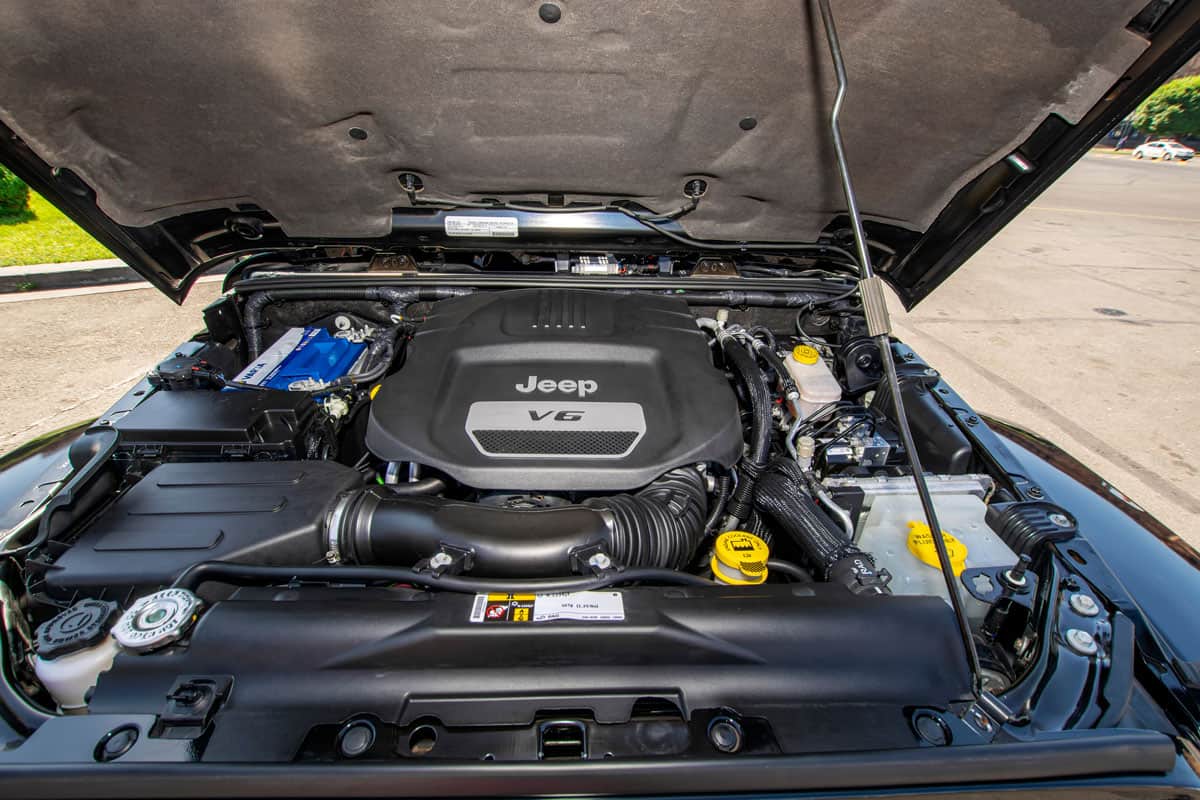
- Some Jeep models have a hood alarm sensor. If the hood isn’t fully closed, this may trigger a dashboard warning.
Frequently Asked Questions
How Do I Open The Hood Of A Jeep Wrangler?
For most Wranglers, unfasten the two exterior hood latches on each side. Move to the front, slide the secondary safety latch, and lift the hood.
Where Is The Hood Release Lever In A Jeep Grand Cherokee?
It is located on the driver’s side under the dashboard. Pull the lever, then release the safety latch under the hood’s front center.
What If My Jeep’s Hood Won’t Open?
Check both the primary and secondary latches. Try wiggling the hood while pulling the lever.
If still stuck, lubricate the latch or ask a mechanic for help.
Can I Damage My Jeep By Forcing The Hood?
Yes. Forcing the hood can bend the latch or misalign the hood.
Always check for stuck latches and avoid using excessive strength.
Are Jeep Hood Opening Mechanisms Different From Other Brands?
Some Jeeps use exterior latches (Wrangler), which are rare in other brands. Most modern Jeeps use a cabin lever and secondary latch, similar to other vehicles.
Opening your Jeep’s hood becomes easy once you know the steps and understand your specific model. With careful handling, regular cleaning, and attention to the latch, you’ll avoid common mistakes and keep your Jeep running smoothly.
If you ever struggle, your owner’s manual and official Jeep resources provide reliable guidance.