Wrangler Hood Opening may look like a simple task, but model year and fitted equipment can change the answer. Inspect side latches first, then review safety release so the next step matches this Jeep.
Quick Answer
A Wrangler hood usually uses exterior side latches plus an under-hood safety release. The exact arrangement varies by generation, so inspect the Jeep and use the matching manual before forcing any latch.
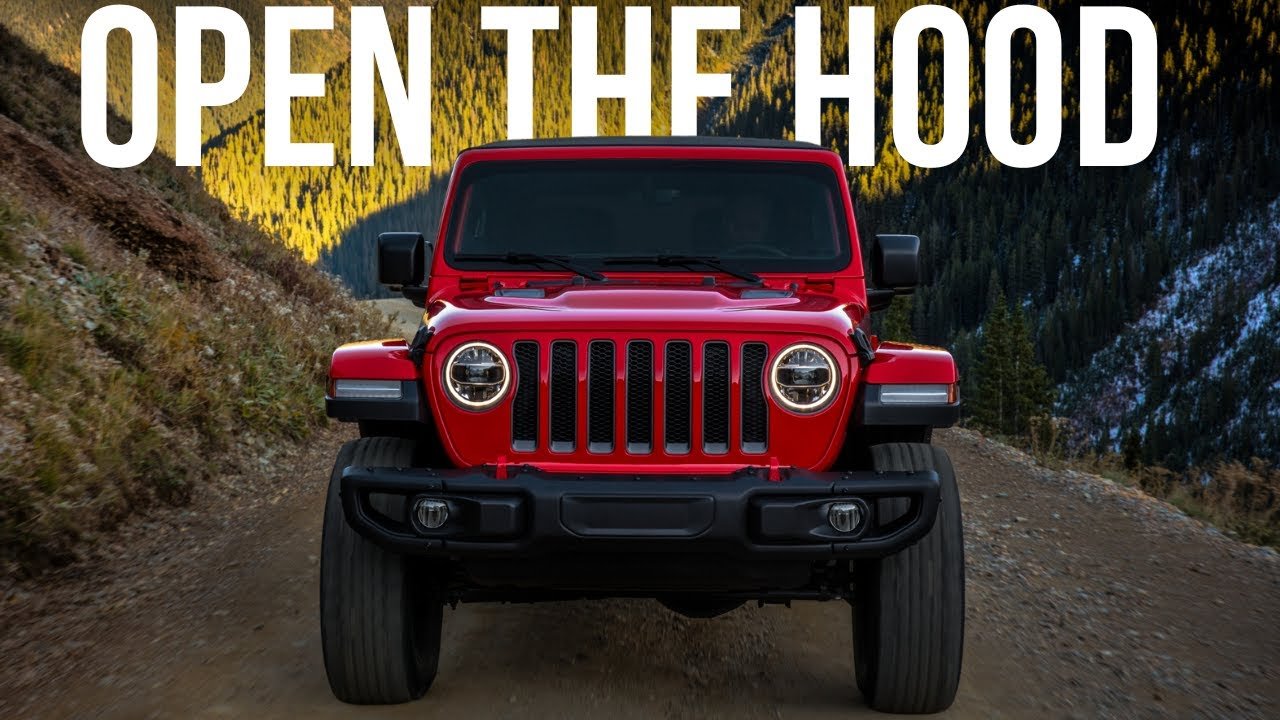
Release the Exterior Latches First
Wrangler side latches hold the hood down. Release both sides gently and check for damage, rust or aftermarket replacements.
Find the Safety Release
After the exterior latches are open, lift the hood slightly and locate the safety release. Do not pull hard against a release that is still engaged.
Support the Hood Correctly
Use the factory support method. Wind can move an unsecured hood quickly, especially during roadside checks.
Inspect Latch Condition
A sticky latch deserves cleaning and inspection. Bent parts, weak hardware or poorly fitted aftermarket latches can create a safety problem.
Key Details to Check
| Item | What to verify | Why it matters |
|---|---|---|
| Side latches | Both exterior catches | Primary hood retention |
| Safety release | Secondary latch under the front edge | Prevents accidental opening |
| Support | Factory prop or support system | Keeps the hood controlled |
| Alignment | Hood edges and latch tension | Reveals fitting problems |
| Condition | Rust, bends and looseness | Supports safe closing |
Step-by-Step Review
- Park safely and turn the engine off.
- Release both exterior hood latches.
- Lift the hood edge slightly and operate the safety release.
- Raise the hood under control and secure the support.
- Complete the inspection or fluid check.
- Remove tools and close the hood firmly.
- Re-engage both exterior latches and verify alignment.
Common Mistakes to Avoid
- Pulling the hood upward before releasing the secondary catch.
- Leaving the hood unsupported in wind.
- Closing the hood with tools in the engine bay.
- Driving before both side latches are secured.
- Ignoring a bent or loose latch.
A Better Decision Rule for Wrangler Hood Opening
Use the latches in sequence and verify them again after closing. The job takes seconds when the hardware is clean and aligned.
For Wrangler hood opening, begin with side latches and safety release. Release both exterior hood latches.
This keeps the next Wrangler hood opening decision connected to evidence from the same Jeep.
When to Stop and Get Help
Stop when a latch is bent, loose or unable to secure the hood reliably.
When Wrangler hood opening moves beyond a routine owner check, save the latest observation and use qualified help. That handoff is more useful than changing several parts or settings at once.
Keep a Useful Vehicle Record
Photograph any damaged latch and keep the repair receipt with the Wrangler records.
Add the Jeep model year, VIN, mileage and the date of the Wrangler hood opening review. A focused Wrangler hood opening note helps the next owner, parts counter or workshop understand what was checked.
Check the Result Under Normal Conditions
For Wrangler hood opening, a parked inspection is only the beginning. Once the basic work is complete, compare Support and Condition under safe normal-use conditions. Record anything that changed after raise the hood under control and secure the support.. If the Wrangler hood opening outcome is inconsistent, repeat the same check before moving to a more expensive repair.
Before You Finish
- Confirm side latches: Both exterior catches.
- Review safety release: Secondary latch under the front edge.
- Check support: Factory prop or support system.
- Complete this follow-up step: Re-engage both exterior latches and verify alignment.
- Avoid this common mistake: Pulling the hood upward before releasing the secondary catch.
What to Save With the Jeep Records
For How to Open the Hood on a Jeep Wrangler: Latch and Safety Guide, save the model year, VIN, mileage, one photo or screenshot, and the result of the final check. Add any receipt, scan report, alignment sheet, battery test, part number or manual page that applies to this Wrangler hood opening topic. These Wrangler hood opening details reduce confusion when the Jeep needs seasonal setup, resale research or another workshop visit.
Closing the Wrangler Hood Correctly
After the engine-bay check, remove tools and cloths before lowering the hood. Guide it down evenly, engage the secondary mechanism and secure both exterior latches.
Walk around the front corners and confirm the hood sits square. If one latch feels tighter than the other, inspect alignment instead of forcing it.
A hood that cannot be secured reliably should be repaired before the Wrangler returns to the road.
Latch Cleaning and Seasonal Inspection
Hood latches live in a place exposed to dirt, moisture and road debris. During routine service, wipe the latch areas clean and inspect springs, fasteners and alignment.
Look for corrosion or a latch that no longer returns smoothly. Do not hide a weak latch behind excessive lubricant.
When one side closes differently from the other, compare the hardware and hood alignment. A few minutes of inspection protects a part that must remain secure at road speed.
Roadside Hood Checks
If the hood needs to be opened beside the road, choose a safe location away from moving traffic and keep loose clothing away from hot or rotating parts. Use gloves around hot surfaces and close the hood fully before returning to the driver's seat.
A roadside check should solve a simple observation, not become an improvised repair in an unsafe place.
Frequently Asked Questions
Why will the hood not lift after opening the side latches?
The secondary safety release may still be engaged.
Can I lubricate a sticky latch?
Clean and inspect the latch, then use an appropriate product according to the maintenance guidance.
What if an aftermarket latch feels loose?
Stop and inspect fitment before driving.
Final Takeaway
Finish the Wrangler hood opening review only after the Jeep has been checked under safe conditions. Save the Wrangler hood opening result, note any remaining concern, and avoid normal use when the final inspection raises a safety question.