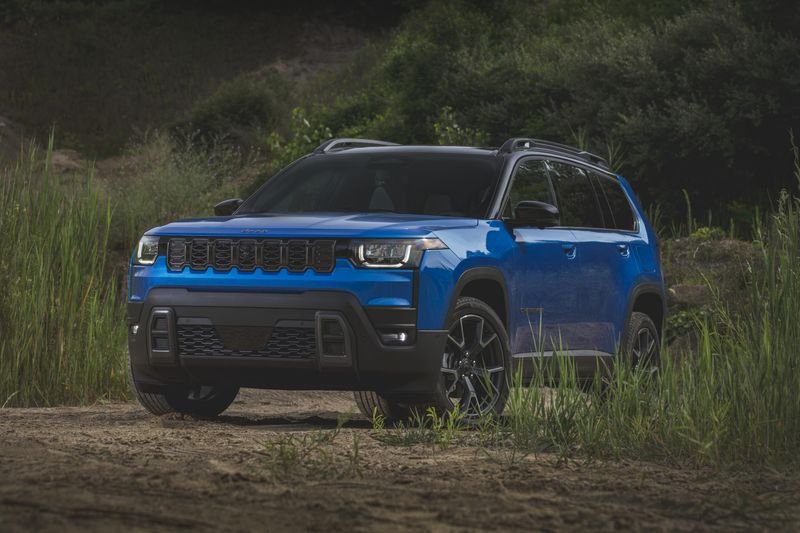
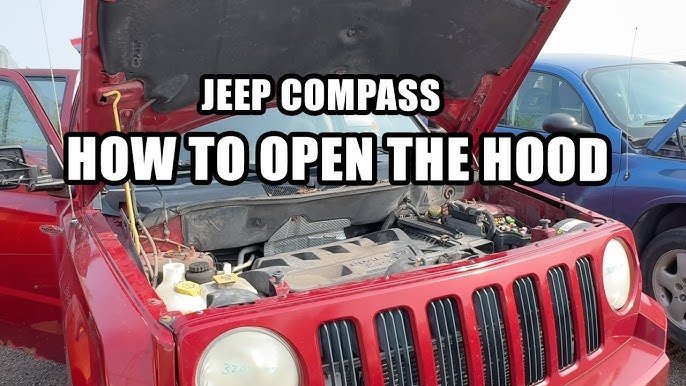
Opening the hood of a car seems simple, but if you’ve never done it before on a 2014 Jeep Compass, you might find it confusing.
Many new owners struggle with the release lever or get frustrated when the hood won’t pop up right away.
Knowing how to open the hood correctly is essential for checking your oil, topping up fluids, or performing basic maintenance. This guide will walk you through every step, provide helpful tips, and share insights that even some experienced drivers miss.
Understanding The Hood Release Mechanism
The 2014 Jeep Compass uses a two-step hood release system. First, you must pull a lever inside the cabin to unlock the hood. Then, you need to activate a safety catch under the hood before you can fully open it. This design helps prevent the hood from accidentally opening while driving.
Here’s a quick breakdown of what you’ll use:
| Component | Location | Function |
|---|---|---|
| Interior Release Lever | Driver’s Side Footwell | Unlocks hood from cabin |
| Safety Latch | Under front edge of hood | Secondary lock for safety |
| Hood Prop Rod | Engine bay (attached to frame) | Holds hood open |
Step-by-step Guide To Opening The Hood
Follow these clear steps to open the hood of your Jeep Compass 2014 with confidence.
1. Locate The Interior Release Lever
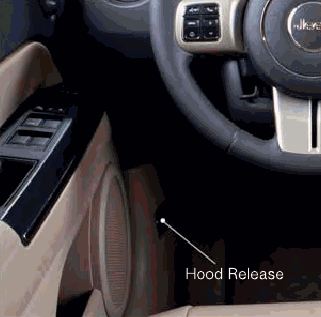
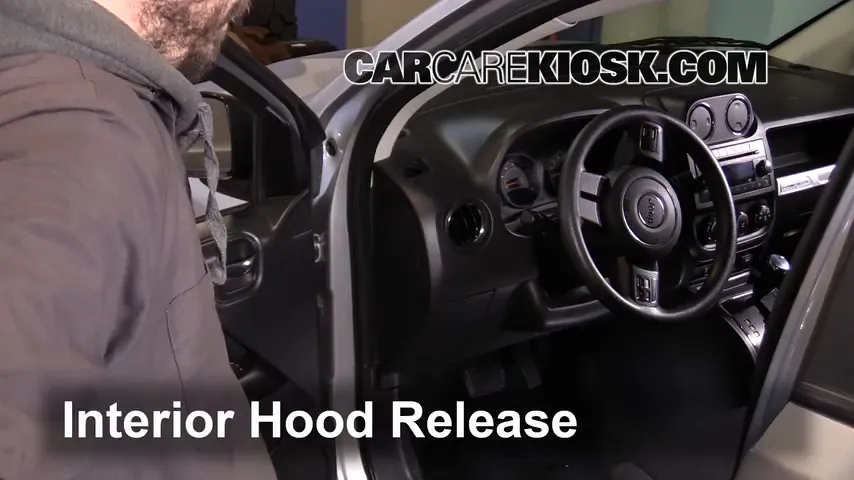
Sit in the driver’s seat and look below the dashboard, near the left side footwell. You’ll see a small black lever with a hood icon.
- Pull the lever firmly. You should hear a pop from the front of the car.
- If you don’t hear a noise, check that your vehicle is unlocked and pull again.
2. Move To The Front Of The Vehicle
Exit the car and walk to the front. The hood should now be slightly raised about half an inch.
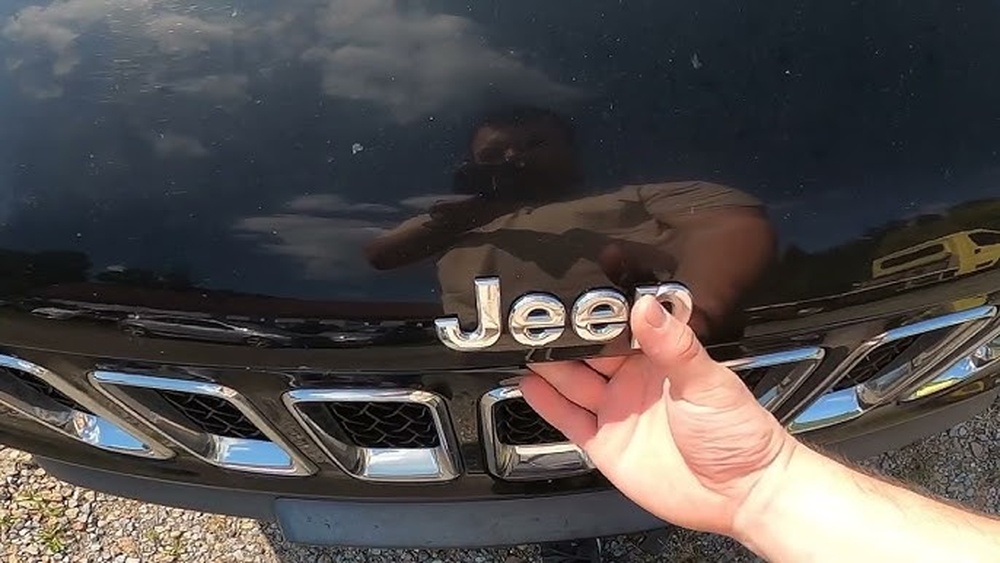
- Stand in front of the Jeep logo, facing the grille.
- Slide your hand under the center of the hood’s front edge.
3. Release The Safety Latch
Feel for a small safety latch under the hood. On most 2014 Compass models, it’s a small metal lever just right of the center.
- Push the latch to the left (toward the passenger side) with your fingers.
- While holding the latch, lift the hood up.
4. Secure The Hood With The Prop Rod
Once the hood is open, look for the prop rod. It’s usually clipped to the right side (driver’s side) of the engine bay.
- Unclip the prop rod and fit its end into the designated hole under the hood.
- This keeps the hood safely open while you work.
5. Closing The Hood Safely
When finished, hold the hood with one hand, remove the prop rod, and secure it back in its clip.
- Lower the hood to about 12 inches above the latch.
- Let it drop—don’t press down hard, as this can dent the hood.
- Check that the hood is fully closed by pressing gently and trying to lift it.
Common Problems And Solutions
Even with clear steps, you might face some challenges. Here’s how to handle them:
- Hood won’t pop after pulling lever: The cable may be stuck. Try pulling the lever repeatedly or have a helper tap the hood lightly while you pull the lever.
- Can’t find the safety latch: Use a flashlight or smartphone light. The latch is often greasy or blends in with metal parts.
- Hood doesn’t close fully: Make sure nothing is blocking the latch. Don’t slam the hood; dropping from 12 inches is enough.
- Release lever feels loose: The cable might be stretched. In this case, visit a mechanic for adjustment.
Many beginners miss the importance of using the prop rod properly. Failing to secure it can cause the hood to fall unexpectedly, risking injury or damage.
Also, always remove loose tools before closing the hood, as leaving objects inside can damage engine components.
Safety Tips And Best Practices
Opening the hood is usually safe, but a few precautions make a big difference:
- Never open the hood when the engine is very hot. Wait at least 10 minutes after driving.
- Keep your fingers away from moving parts, especially if the engine is running.
- If you struggle to open the hood, don’t force it—seek help to avoid breaking the latch or cable.
Here’s a quick comparison of hood release locations on popular compact SUVs:
| Model | Release Lever Location | Safety Latch Position |
|---|---|---|
| Jeep Compass 2014 | Driver’s side footwell | Center-right under hood |
| Honda CR-V 2014 | Driver’s side kick panel | Center under hood |
| Ford Escape 2014 | Left of steering wheel | Far left under hood |
Practical Maintenance Checks Once The Hood Is Open
Opening the hood is just the first step. Here are basic checks you can do:
- Engine oil: Pull out the dipstick, wipe, reinsert, and check oil level.
- Coolant: Look at the reservoir markings for proper level.
- Brake fluid: Should be between MIN and MAX marks.
- Windshield washer fluid: Top up if low.
- Battery: Check for corrosion on terminals.
Performing these checks monthly helps prevent bigger problems. Many new owners don’t realize how easy these tasks can be once the hood is open.
When To Seek Professional Help
If the hood release cable breaks or the latch is rusted, don’t try to pry open the hood with tools. Doing so can cause expensive damage to the hood or surrounding parts. Instead, contact a certified mechanic or your local Jeep dealer.
According to the official Jeep manual, regular latch lubrication and cleaning can prevent most issues.
Frequently Asked Questions
How Do I Know If My Hood Is Securely Closed?
After closing, try lifting the front edge gently. If it doesn’t move, it’s secure.
The hood should sit flush with the fenders.
What Should I Do If The Release Lever Doesn’t Work?
Check if the cable is broken or disconnected. If so, visit a mechanic.
Sometimes, repeated pulling while a helper taps the hood helps free a sticky latch.
Can I Open The Hood If My Battery Is Dead?
Yes, the hood release works mechanically. You do not need battery power to open the hood.
Where Is The Hood Release Located On A 2014 Jeep Compass?
It’s a black lever in the driver’s side footwell, near the door and under the dashboard.
Is It Safe To Open The Hood After Driving?
Wait at least 10 minutes so the engine cools down. Opening the hood when hot can risk burns from steam or hot parts.
Learning how to open the hood on a Jeep Compass 2014 is a basic but vital skill. With the right steps, anyone can do it safely and confidently.
Remember to use the prop rod, check for obstructions, and never force the mechanism.
Regular practice will make you faster and help you spot any problems early, keeping your Compass in top shape for years to come.