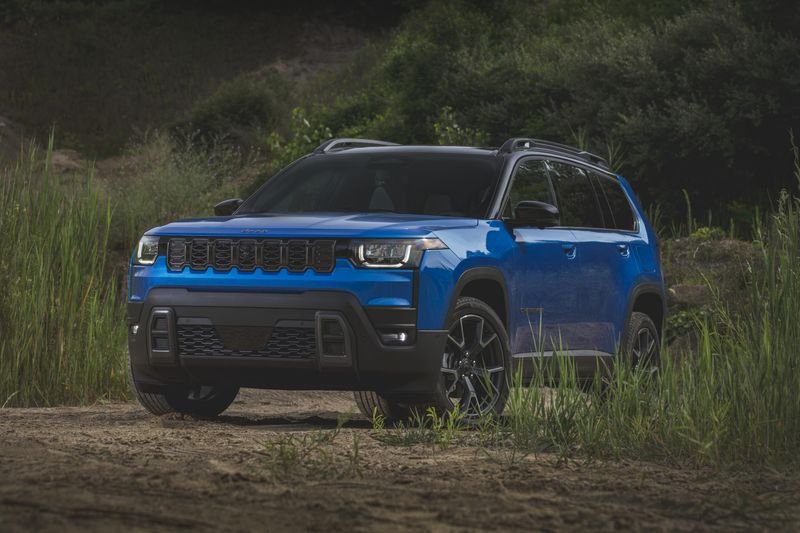
Many Jeep Cherokee owners, especially first-time drivers or renters, feel confused about opening the gas tank. The design is a bit different from some other vehicles, so it’s normal to pause at the pump.
Knowing how to access the fuel cap quickly saves time, prevents mistakes, and avoids embarrassment.
This guide explains every step, includes helpful tips, and covers newer and older Cherokee models so you can fill up with confidence.
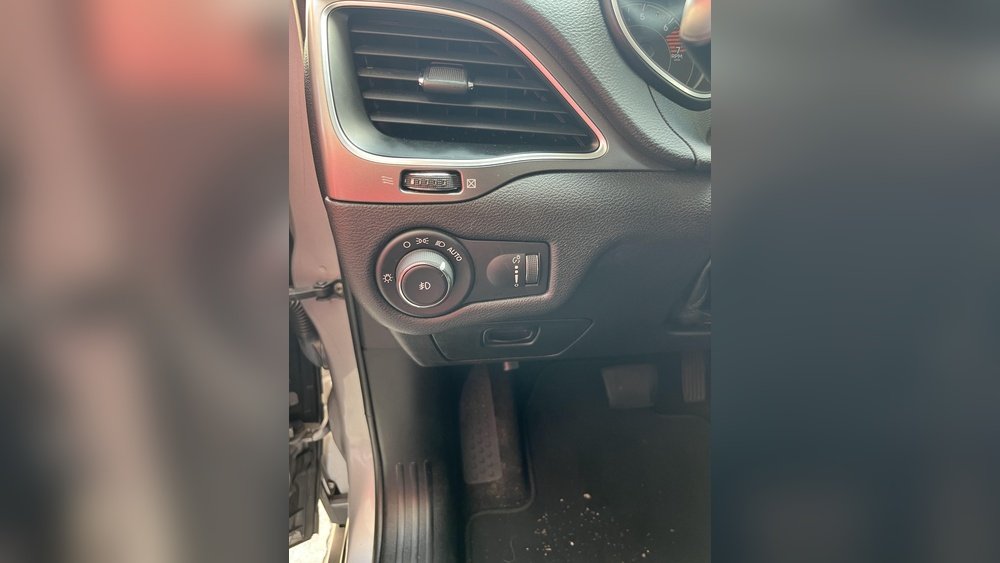
Understanding Jeep Cherokee Gas Tank Location
Every Jeep Cherokee, from older models to the latest editions, has the gas tank on the driver’s side. However, the mechanism to open the fuel door can vary depending on the year and trim. Most recent models (2014 and newer) have a capless system, while older ones use a traditional twist-off cap.
For example, a 2022 Jeep Cherokee comes with a spring-loaded fuel door and a capless filler neck. In contrast, a 2009 model uses a manual cap that must be unscrewed. The table below compares the main differences:
| Model Year | Fuel Door Release | Cap Type |
|---|---|---|
| 2014 – Present | Push to open (no button) | Capless |
| 2001 – 2013 | Manual pull | Twist-off cap |
| Before 2001 | Manual pull | Twist-off cap |
Step-by-step: Opening The Gas Tank
Whether you drive a new or older Cherokee, these instructions will guide you through the process. Follow the steps carefully to avoid damage or spills.
For Newer Models (2014 And Up)
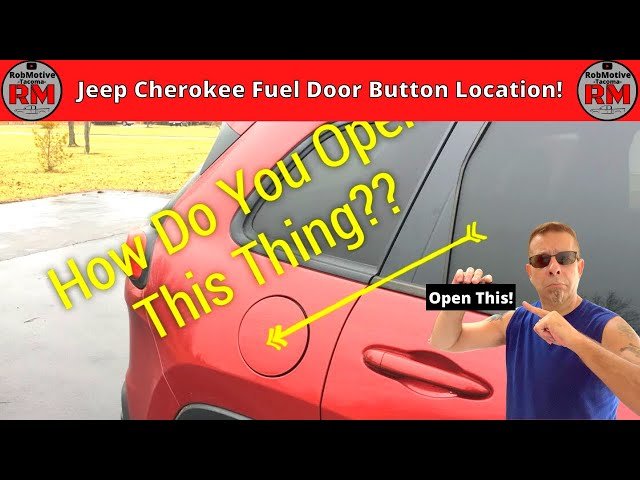
- Locate the fuel door: Stand next to the driver’s side rear quarter panel. The fuel door is clearly visible.
- Unlock the vehicle: Make sure the car is unlocked. Some models require unlocking for the fuel door to open.
- Push and release: Gently push on the fuel door. It will spring open.
- Insert nozzle: The capless filler allows you to insert the fuel nozzle directly. No need to remove a cap.
- Refuel: Fill the tank as needed. The system prevents fuel theft and vapor leaks.
For Older Models (2013 And Before)
- Find the fuel door: Driver’s side, just behind the rear door.
- Open the door manually: Pull the edge of the door outward. If it feels stuck, gently wiggle it.
- Remove the gas cap: Twist the cap counterclockwise. Some caps click when fully loosened.
- Place cap safely: Many models have a holder inside the fuel door for the cap.
- Fill up: Insert the nozzle and refuel. Replace the cap tightly after filling.
Common Mistakes And How To Avoid Them
- Forgetting to unlock: Many drivers try to open the door while the vehicle is locked.
- Using too much force: Cherokee doors are designed to open with a gentle push or pull.
- Leaving the cap loose: A loose cap can trigger a check engine light.
- Fuel spillage: Capless systems are easy, but pushing the nozzle too hard may cause splash-back.
Capless Vs. Twist-off: What’s The Difference?
Modern Jeep Cherokees use a capless fuel system for convenience and safety. Here’s a quick comparison:
| Feature | Capless System | Twist-Off Cap |
|---|---|---|
| Ease of Use | Very easy | Requires unscrewing |
| Security | Anti-theft design | Cap can be lost |
| Maintenance | Low | Cap seal can wear |
| Common Problems | Rare | Loose cap triggers warning |
Most drivers prefer the capless system for speed and simplicity. However, twist-off caps require careful tightening to avoid vapor leaks and error codes.
Safety Tips For Opening The Gas Tank
Even a simple task like opening the gas tank can go wrong if you rush. Follow these safety tips:
- Always turn off the engine before refueling.
- Never smoke or use open flames near the gas tank.
- If you smell fuel after closing, check for leaks.
- Don’t overfill; stop when the pump clicks off.
- If the fuel door won’t open, check for ice, dirt, or a locking mechanism.
A surprising insight: Many drivers ignore small issues like a sticky fuel door. Over time, dirt and rust can make the door harder to open. Regular cleaning with a soft cloth prevents this problem.
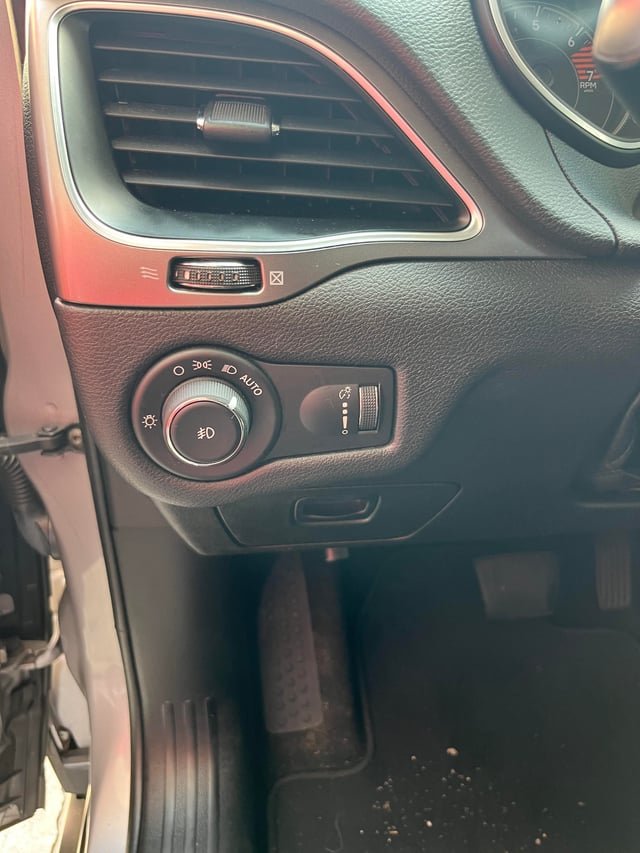
Troubleshooting: When The Gas Door Won’t Open
Sometimes, the fuel door might get stuck or refuse to open. Here’s what you can try:
- Check the lock status: Ensure the vehicle is unlocked.
- Inspect for obstructions: Ice, dirt, or debris can block the hinge.
- Lubricate the hinge: A small amount of WD-40 or silicone spray can help.
- Use gentle force: Never pry with tools, as this can damage the paint.
- Consult your manual: Some models have a manual release inside the trunk.
If the door remains stuck, visit a certified dealer or mechanic. For official guidance, see the Jeep Owner’s Manual.
Practical Tips For Easy Refueling
- Keep your Jeep key fob handy; some models require proximity to unlock the fuel door.
- Avoid touching the paint with dirty hands to prevent scratches.
- If your capless system feels loose, check the seal for damage.
- When traveling, remember US gas stations use standard nozzles compatible with Cherokees.
- Don’t try to force the wrong nozzle; diesel nozzles are larger and won’t fit.
Frequently Asked Questions
How Do I Open The Gas Tank If My Jeep Cherokee Is Locked?
You must unlock the vehicle first. The fuel door will not open if the car is locked, even with manual pressure.
Why Does My Check Engine Light Come On After Refueling?
A loose or missing gas cap can trigger the light. For capless systems, ensure the nozzle was fully inserted and removed smoothly.
Can I Use Any Type Of Gasoline In My Jeep Cherokee?
Most Cherokees use regular unleaded gasoline. Check your owner’s manual for specific recommendations based on your engine.
What Should I Do If The Fuel Door Is Frozen Shut?
Pour warm (not hot) water over the door edge or use a de-icer spray. Never force the door open, as it can break.
Is There A Manual Release For The Gas Door In Jeep Cherokee?
Some older models have a manual release lever inside the trunk or near the driver’s seat. Newer models do not, relying on the spring mechanism.
Opening the gas tank on a Jeep Cherokee is straightforward when you know what to expect. With these tips and step-by-step instructions, you can refuel quickly and safely, avoid common mistakes, and handle any issue confidently.
Even small details like cleaning the fuel door or checking the cap make a big difference over time.
Keep this guide handy for smooth, stress-free driving every day.