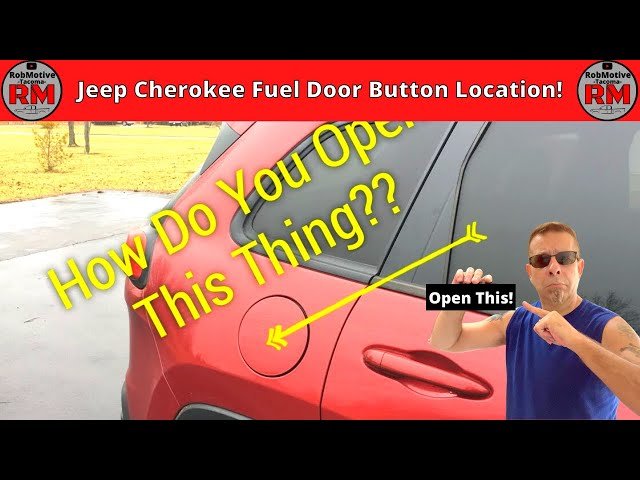
Opening the gas door on a Jeep Cherokee might sound simple, but many drivers especially new owners find it confusing. The design of the Cherokee’s fuel door is unique compared to other cars.
Some models have a button, while others rely on a manual push system.
This guide will walk you through every method, give you tips, and help you avoid common mistakes. Whether you drive a new or older Jeep Cherokee, you’ll find answers here.
How The Jeep Cherokee Gas Door Works
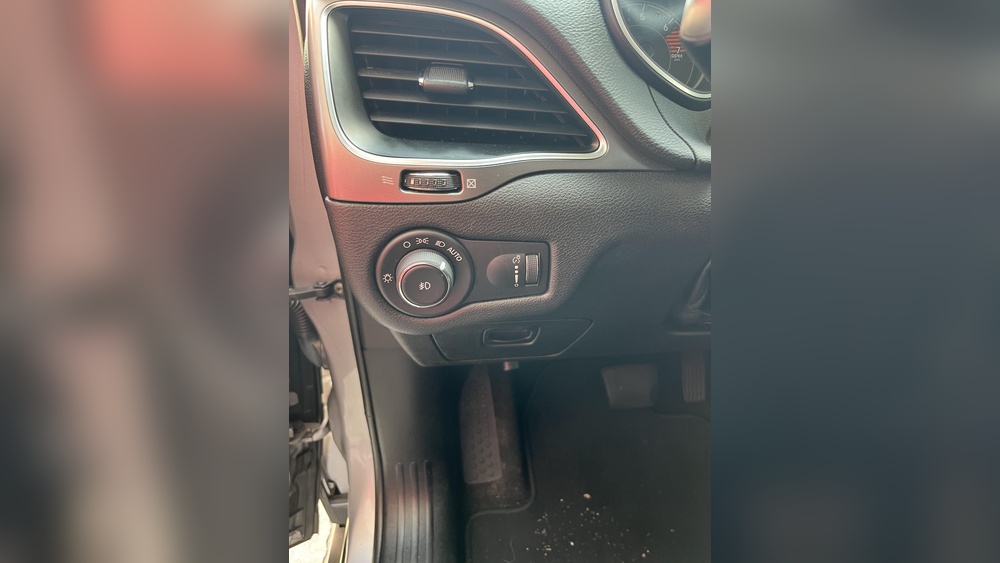
Jeep Cherokee models use different mechanisms for the gas door, depending on the year and trim. Most models from 2014 onward use a “push-to-open” fuel door. Earlier versions might have a lever inside the vehicle or a button on the dashboard.
Here’s a quick look at how the gas door system varies across model years:
| Model Year | Gas Door Type | Location of Release |
|---|---|---|
| 2014–2024 | Push-to-open | Exterior (Fuel Door) |
| 2011–2013 | Manual lever | Driver’s side floor |
| 2005–2010 | Manual lever | Driver’s side floor |
| Before 2005 | Manual or key | Varies |
If you don’t know your Cherokee’s year, check your registration or look at the dashboard. This info is important, as the opening method depends on the design.
Step-by-step: Opening The Gas Door
For 2014 And Newer Jeep Cherokee
Most modern Jeep Cherokees use a push-to-open system. Here’s how to do it:
- Unlock the car doors. The gas door will not open if the vehicle is locked.
- Exit the vehicle. Walk to the rear driver’s side, where the gas door is located.
- Press firmly on the right side of the gas door. It should pop open with a soft push.
- Open the door fully. Pull it toward you to access the fuel cap.
- Unscrew the gas cap. Fill your tank as usual.
This design is simple, but many owners miss the need to unlock the doors first. If the door doesn’t open, check the locks.
For Older Jeep Cherokee Models (pre-2014)
Older models often have a manual lever or button. Here’s what to do:
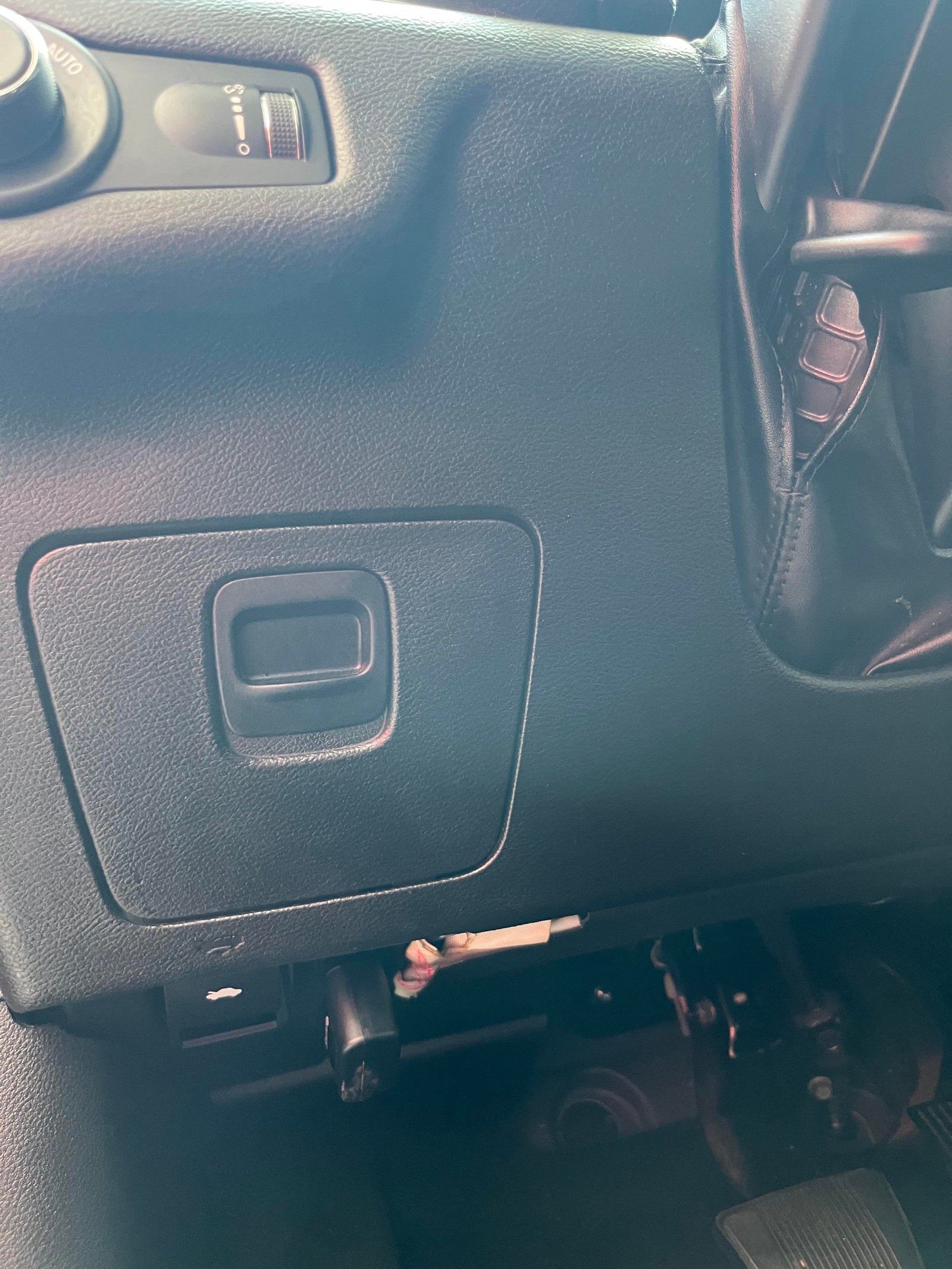
- Locate the lever. It’s usually on the floor next to the driver’s seat.
- Pull the lever up. You’ll hear a click as the gas door pops open.
- Exit the car and open the door. Some models require you to pull the door outward after releasing it.
In rare cases, you may need to use a key to unlock the fuel door. This is common in models before 2000.
If The Gas Door Is Stuck
Sometimes the gas door won’t open, even if you follow the right steps. Here’s what you can try:
- Check the locks. Make sure all doors are unlocked.
- Press more firmly. The door may be stiff due to dirt or cold weather.
- Try from a different angle. Sometimes pressure on the edge works better.
- Check for ice or debris. In winter, ice can freeze the door shut. Use a plastic scraper or de-icer spray.
If the door still won’t open, visit a Jeep dealer or mechanic. Forcing the door can break the hinge.
Comparing Jeep Cherokee Gas Doors With Other Suvs
How does the Cherokee’s gas door compare to other popular SUVs? Here’s a quick comparison:
| Vehicle | Gas Door Mechanism | Ease of Use |
|---|---|---|
| Jeep Cherokee | Push-to-open / Lever | Easy (once understood) |
| Honda CR-V | Interior lever | Easy |
| Toyota RAV4 | Interior lever | Easy |
| Ford Escape | Push-to-open | Very easy |
The Cherokee’s system is similar to the Ford Escape but different from Japanese SUVs that rely more on interior levers.
Common Mistakes And How To Avoid Them
Many drivers make small errors when trying to open the gas door. Here are a few to watch out for:
- Forgetting to unlock the doors. The Cherokee’s gas door locks with the vehicle.
- Looking for a lever when there isn’t one. Newer models don’t have an interior release lever.
- Using too much force. Press gently but firmly. Forcing the door can damage it.
- Ignoring the owner’s manual. Every Jeep comes with a manual that explains the gas door system.
A non-obvious insight: If you recently had bodywork done near the fuel door, the mechanism may be misaligned. In this case, ask the repair shop to check their work.
Extra Tips For Jeep Cherokee Owners
- Keep the gas door clean. Dirt and salt can build up, especially in winter, making it harder to open.
- Lubricate the hinge. A small amount of silicone spray keeps the hinge moving smoothly.
- Don’t pry with tools. If stuck, warm the area with your hand or a hair dryer before trying again.
- Test the door regularly. Even if you don’t need gas, make sure the door opens easily.
Another insight: Some car washes can bend the fuel door if the brushes are too strong. Fold in your mirrors and check the gas door after a wash.
When To Seek Professional Help
If your gas door refuses to open after trying these steps, it may be a mechanical problem. Common causes are:
- Broken latch or hinge
- Electrical issue (if equipped with an electronic lock)
- Body damage from an accident
Contact a trusted Jeep service center or a certified mechanic. Attempting repairs yourself could void your warranty or cause more damage. For further details, you can visit the official Jeep website.
Frequently Asked Questions
How Do I Open The Gas Door If My Jeep Cherokee Battery Is Dead?
You can open the gas door on most models by unlocking the driver’s door manually with the key, then using the push-to-open feature. If it’s still locked, check your manual for emergency release instructions.
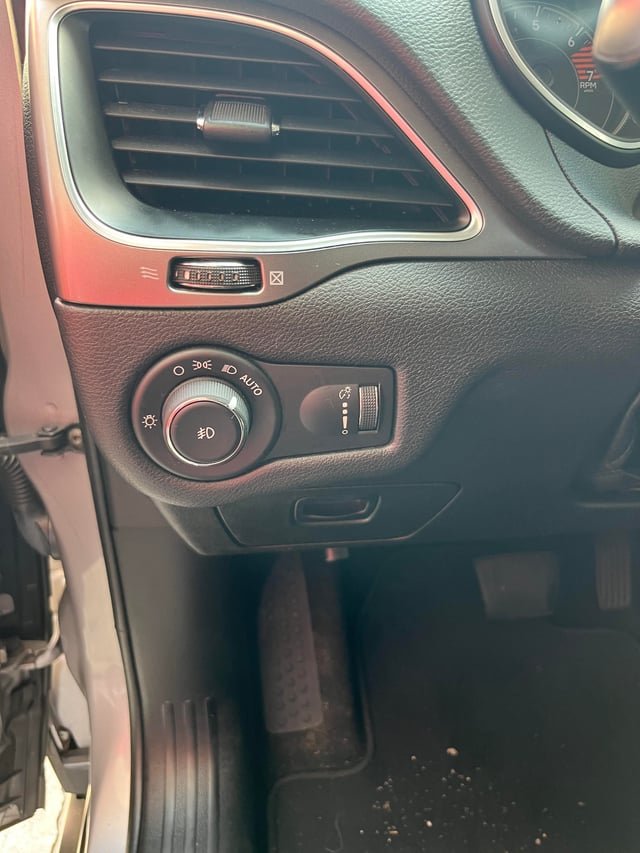
On most 2014 and newer Jeep Cherokees, there is no interior button or lever. Just unlock the doors and press the gas door.
Why Won’t My Gas Door Open After Unlocking The Car?
Check for dirt, ice, or a misaligned fuel door. If the door is still stuck, it may need lubrication or professional repair.
Can I Add A Locking Gas Cap For Extra Security?
Yes, you can buy a locking gas cap that fits Jeep Cherokee models. This provides extra security, especially if you park in public places often.
Where Is The Gas Door Located On A Jeep Cherokee?
It’s on the driver’s side rear quarter panel. Look behind the rear wheel, just above the tire.
Opening the gas door on a Jeep Cherokee is simple once you know the right method for your model. Remember to unlock the doors, use gentle pressure, and keep the area clean.
If you ever have trouble, don’t force it seek help from a professional.
With these tips, you’ll never struggle at the pump again.