Off-roading in a Jeep is more than just driving on dirt. It’s about exploring new places, testing your skills, and understanding your vehicle’s limits.
For beginners, the thought of taking a Jeep off the pavement can feel exciting but also overwhelming.
This guide will help you start your off-road journey with confidence and safety.
Preparing Your Jeep For Off-roading
Before heading off-road, you need to get your Jeep ready. The right preparation can prevent breakdowns and ensure a smoother experience.
- Inspect your Jeep: Check tire pressure, fluid levels, brakes, and battery. Look for leaks and worn parts.
- Tires: Off-road terrain needs strong, all-terrain or mud-terrain tires. Regular street tires can get stuck or damaged easily.
- Recovery gear: Carry a tow strap, shackles, and a basic tool kit. A small shovel and tire inflator can also be lifesavers.
- Safety equipment: Bring water, snacks, first aid kit, flashlight, and a fire extinguisher.
- Communication: Cell phone service is unreliable in remote areas. A CB radio or walkie-talkie can help you stay connected.
Many new Jeep owners skip checking their tire pressure. Lowering it slightly (to around 18-20 psi) increases traction and reduces the risk of punctures on rocks.
Understanding Jeep Off-road Features
Modern Jeeps come with features designed for off-road use. Knowing how these work makes driving easier and safer.
- 4WD High vs. 4WD Low: Use 4WD High on gravel or dirt roads at moderate speeds. Switch to 4WD Low for steep hills, rocks, or deep mud where you need more torque.
- Traction control: Some Jeeps have special settings for sand, mud, or snow. Learn how to activate them for each situation.
- Locking differentials: These help all wheels turn at the same speed, improving grip in tough spots.
- Sway bar disconnect: Disconnecting the sway bar increases wheel travel, which keeps your tires on the ground over large obstacles.
Read your Jeep’s manual to understand these features. Practice switching between 2WD, 4WD High, and 4WD Low in a safe, open area before you need them on the trail.

Basic Off-road Driving Techniques
Off-road driving is very different from city or highway driving. Here’s how to handle common situations:
Climbing Hills
- Approach hills straight on, not at an angle.
- Use steady throttle, and shift into 4WD Low if it’s steep or slippery.
- If you can’t make it up, back down slowly—never turn sideways on a hill.
Descending Hills
- Shift into 4WD Low and use engine braking.
- Go straight down and avoid sudden braking.
Mud, Sand, And Water
- Keep momentum in mud or sand, but avoid spinning the tires.
- Cross water slowly, and check the depth first. Water above your Jeep’s bumper can cause engine damage.
Rocks And Obstacles
- Go slow and use a spotter if possible.
- Place your tires on top of rocks, not in between them.
- Use the lowest gear and let the Jeep crawl forward.
One tip beginners often miss: Always walk tricky sections first. This helps you find hidden holes or sharp rocks that can damage your Jeep.
Choosing The Right Trail
Not every off-road trail is suitable for beginners or all Jeep models. Trails are graded by difficulty.
Start with “easy” or “beginner” trails before trying anything harder.
| Trail Grade | Surface | Recommended For |
|---|---|---|
| Easy | Gravel, light dirt | Stock Jeeps, beginners |
| Moderate | Ruts, shallow water, rocks | Some upgrades, basic skills |
| Difficult | Steep, large rocks, deep mud | Lifted Jeeps, advanced |
Check local off-road maps or apps to find beginner-friendly routes. Never go alone always travel with at least one other vehicle.
Off-road Jeep Modifications: What Matters Most
Modifying your Jeep can improve its off-road ability, but not every upgrade is essential for beginners. Here’s a comparison of common modifications:
| Upgrade | Benefit | Cost (Approx.) | Beginner Need? |
|---|---|---|---|
| All-Terrain Tires | Better grip, puncture resistance | $600-$1,200 | Yes |
| Lift Kit | Higher ground clearance | $800-$2,500 | Optional |
| Winch | Self-recovery | $400-$1,500 | No, but helpful |
| Skid Plates | Protects underbody | $250-$700 | No, but recommended |
Many new off-roaders think they need every upgrade right away. In reality, driver skill matters more than expensive parts. Start with tires and learn basic techniques before investing in heavy modifications.
Common Off-road Mistakes To Avoid
- Overestimating your Jeep: Even Jeeps have limits. Don’t try obstacles you’re unsure about.
- Ignoring weather: Rain can turn an easy trail into a muddy mess.
- Not airing down tires: Skipping this reduces traction and increases the risk of getting stuck.
- Driving alone: If you get stuck or break down, help may be hours away.
- Not planning fuel: Off-road trails can use much more gas than city driving.
A non-obvious tip: Watch your mirrors and undercarriage. Low branches, rocks, and stumps can damage mirrors, bumpers, or oil pans.
Essential Off-road Jeep Gear Checklist
- Recovery strap and shackles
- Tire repair kit
- Portable air compressor
- Basic tool kit
- First aid kit
- Fire extinguisher
- Emergency food and water
- Map or GPS device
Having this gear makes you ready for most common off-road problems.
Off-road Jeep: Quick Reference Table
This table summarizes Jeep models and their off-road strengths.
| Model | Ground Clearance (inches) | Stock 4WD System | Best Use |
|---|---|---|---|
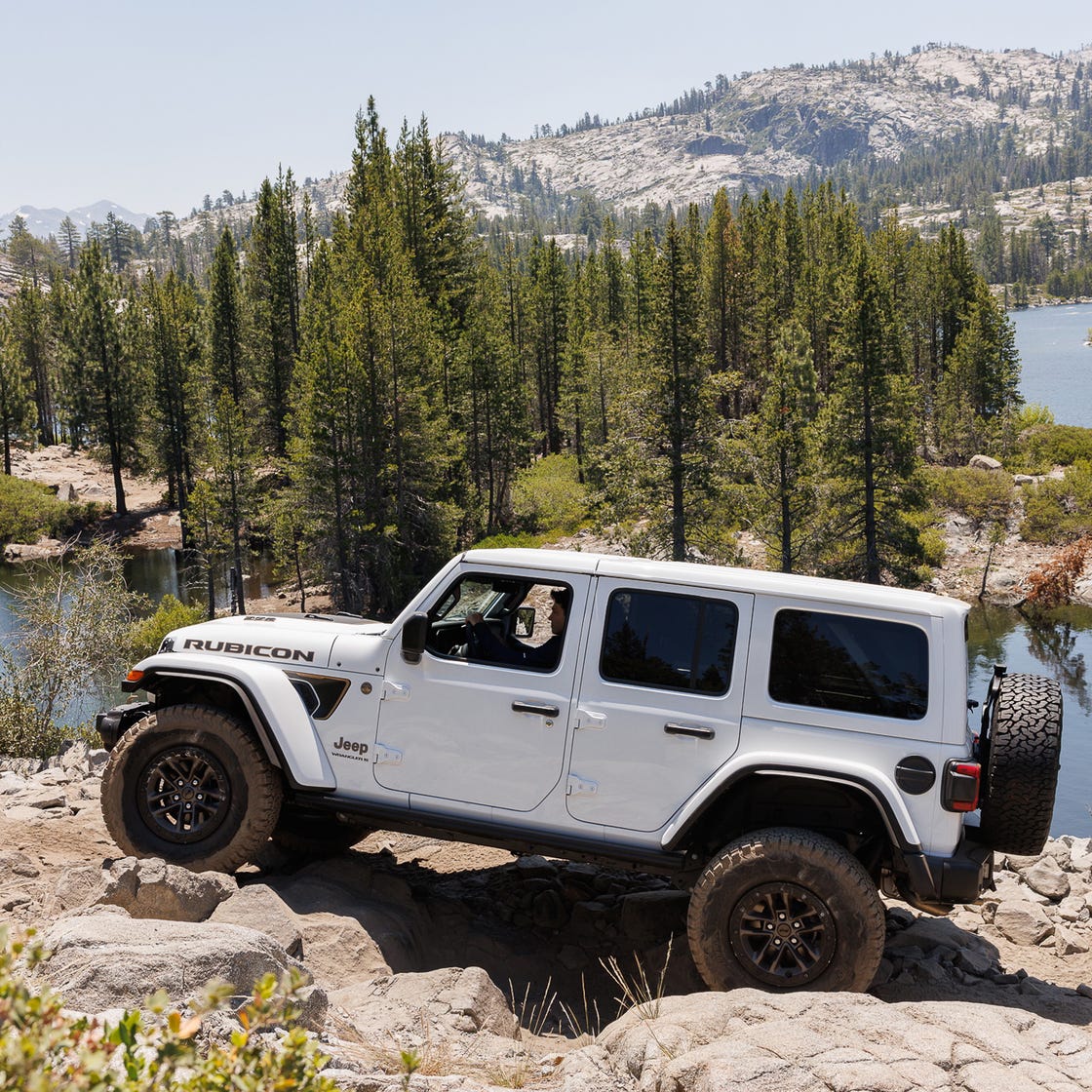
| Wrangler Rubicon | 10.8 | Rock-Trac 4×4 | Rocks, mud |
| Wrangler Sport | 9.7 | Command-Trac 4×4 | Dirt, sand |
| Grand Cherokee Trailhawk | 10.8 | Quadra-Drive II | Mixed terrain |
For details on Jeep specs and off-road ratings, check out the official Jeep website.

Frequently Asked Questions
What Is The Best Tire Pressure For Off-road Jeep Driving?
Lower your tire pressure to 18-20 psi for most trails. This improves grip and comfort. After off-roading, inflate your tires to normal pressure before driving on the highway.
Do I Need A Lift Kit To Off-road My Jeep?
No. Many trails are suitable for stock Jeeps. A lift kit helps on rough terrain but is not necessary for beginners.
How Do I Safely Cross Water In My Jeep?
Check the water depth first. Enter slowly, keep a steady speed, and avoid water higher than your Jeep’s bumper. Fast-moving water is dangerous—never risk it.
Can I Off-road Alone In My Jeep?
It’s not recommended. Off-roading with a buddy vehicle is safer in case you get stuck or have a breakdown.
What Is The Most Important Off-road Jeep Modification?
Start with all-terrain tires. They give the biggest improvement for grip and safety. Other upgrades can come later as you gain experience.
Off-roading your Jeep is about skill, patience, and respect for nature. Start slow, be prepared, and you’ll discover why Jeeps are made for adventure.