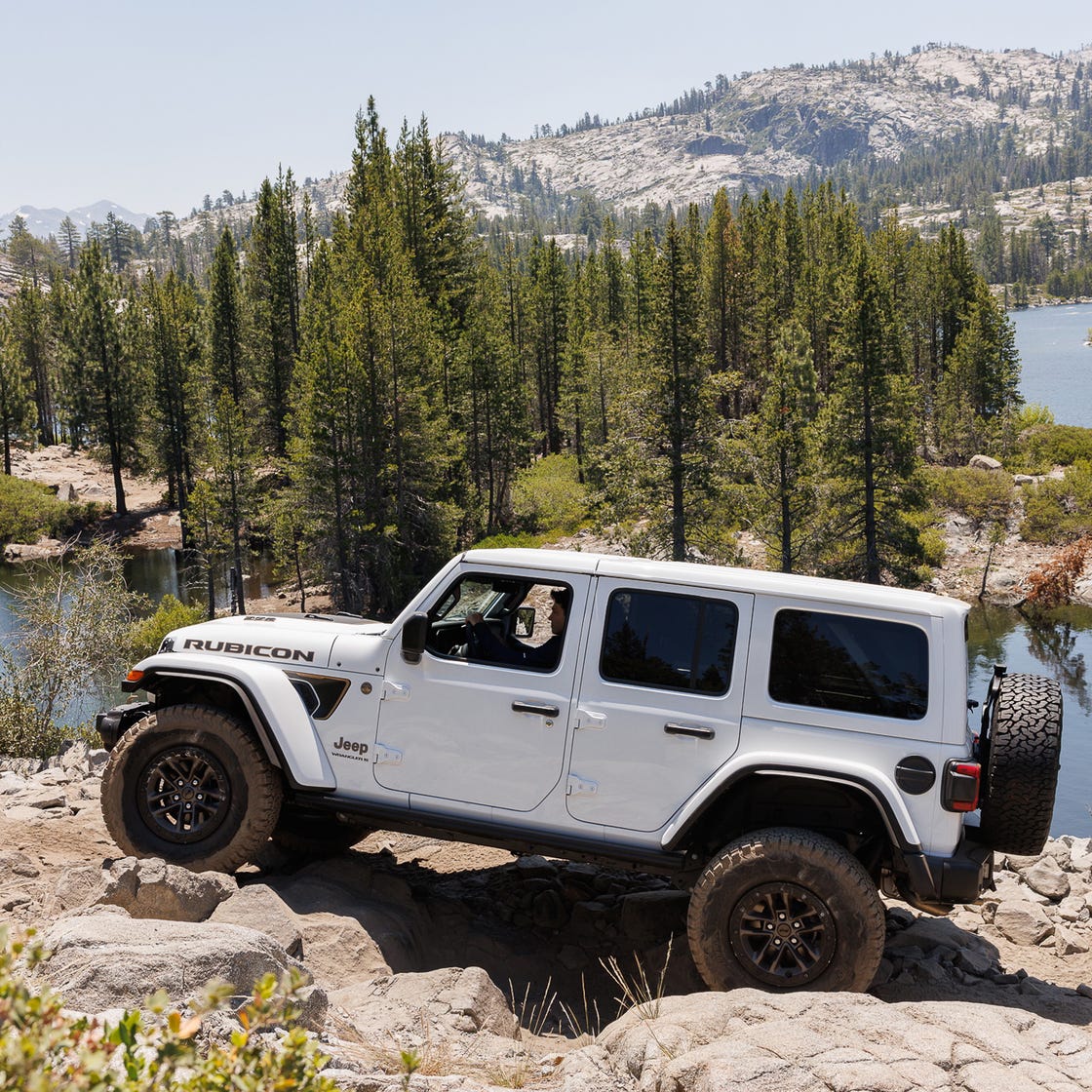
Off-roading in a Jeep is more than just driving on dirt roads. It’s about exploring rugged trails, tackling obstacles, and experiencing freedom in nature.
For beginners, venturing off-road can seem intimidating. With the right preparation and mindset, though, it’s safe, exciting, and rewarding.
This guide will show you how to off-road in a Jeep confidently, avoid common mistakes, and get the most from your adventure.

Choosing The Right Jeep For Off-roading
Not all Jeeps are created equal when it comes to off-roading. While most models offer some capability, Jeep Wrangler and Jeep Gladiator are the most popular choices for serious trails. These vehicles come with 4×4 systems, high ground clearance, and rugged suspension.
Here’s a quick comparison of popular Jeep models for off-roading:
| Model | Ground Clearance (inches) | 4×4 System | Max Tire Size (factory) |
|---|---|---|---|
| Wrangler Rubicon | 10.8 | Rock-Trac | 33″ |
| Wrangler Sport | 9.7 | Command-Trac | 32″ |
| Gladiator Rubicon | 11.1 | Rock-Trac | 33″ |
| Cherokee Trailhawk | 8.7 | Active Drive Lock | 29″ |
If you don’t own a Jeep yet, consider what kind of trails you’ll drive. Rocky terrain and deep ruts require more clearance, while forest roads need less.
Essential Preparation Before Hitting The Trail
Preparation is key for a safe and enjoyable off-road trip. Here’s what you need to do:
- Inspect your Jeep: Check tire pressure (often lower for off-roading), fluids, and recovery points.
- Bring recovery gear: Essential items include a tow strap, shovel, tire deflator, and basic tool kit.
- Pack emergency supplies: Water, snacks, a first-aid kit, and a flashlight are must-haves.
- Plan your route: Use maps or GPS designed for off-roading. Tell someone your plan.
Many beginners overlook the importance of tire pressure. Lowering your tire pressure (to about 15-18 psi for most stock tires) increases traction and comfort over rocks and sand.
Here’s a quick reference for off-road tire pressures:
| Terrain | Recommended Tire Pressure (psi) |
|---|---|
| Rocks | 15-18 |
| Sand | 12-16 |
| Mud | 18-20 |
| Gravel | 20-25 |
Never go alone on your first off-road trip. Traveling with another vehicle adds safety and support.

Basic Off-road Driving Techniques
Driving off-road is different from driving on pavement. Here are essential techniques for Jeep beginners:
- Go slow: Speed can break parts and cause accidents. Go as slow as possible, but as fast as needed.
- Use 4-Low: For steep climbs, descents, or tough obstacles, shift to 4-Low for more torque and control.
- Pick your line: Choose the safest path over obstacles. Sometimes, the straight route isn’t the best.
- Steer smoothly: Avoid jerky steering, which can damage suspension or reduce traction.
- Descend in gear: Use engine braking when going downhill; don’t coast in neutral.
One thing many new drivers miss is the importance of momentum. On soft sand or mud, gentle, steady momentum prevents you from getting stuck. But on rocks, too much speed can break components.
Handling Common Off-road Obstacles
You’ll face different challenges on the trail. Here’s how to tackle the most common ones:
Rocks And Ruts
- Approach slowly and at an angle
- Keep tires on high points (“tire placement”)
- Use spotters if needed
Mud
- Test depth with a stick or get out and look
- Keep steady throttle, avoid spinning tires
- If stuck, try rocking back and forth gently
Water Crossings
- Check depth—never cross if water is above your bumper
- Enter slowly, keep a steady pace
- Allow brakes to dry after exiting
Hills
- Go straight up or down, not at an angle
- Keep steady throttle uphill, use engine braking downhill
- If you can’t make it, reverse down carefully—never turn sideways
Here’s a quick reference for obstacle approaches:
| Obstacle | Best Approach | Common Mistake |
|---|---|---|
| Rocky Trail | Slow, tire placement | Too much speed |
| Mud Pit | Steady throttle | Spinning tires |
| Water Crossing | Check depth first | Entering too fast |
| Steep Hill | Go straight | Turning sideways |

Safety And Trail Etiquette
Staying safe and respecting nature are critical. Follow these tips:
- Stay on marked trails to protect the environment and avoid fines.
- Yield to uphill traffic. It’s harder for vehicles to start again going uphill.
- Pack out all trash—leave no trace.
- If you meet hikers or bikers, slow down and pass carefully.
Don’t forget to air your tires back up before returning to pavement. Driving with low pressure on the road is dangerous and damages tires.
Frequently Asked Questions
What Type Of Jeep Is Best For Off-roading?
The Jeep Wrangler Rubicon is widely considered the best for off-roading due to its high ground clearance, locking differentials, and rugged build. However, even basic Wranglers or Cherokee Trailhawk models can handle most beginner trails.
Is Off-roading Bad For My Jeep?
Regular off-roading can cause wear, especially to suspension and tires, but proper maintenance reduces long-term problems. Wash your Jeep after every trip to remove mud and check for any damage.
Do I Need Special Tires For Off-roading?
All-terrain tires work for most trails, but mud-terrain tires offer better grip in mud and rocks. For beginners, stock all-terrain tires are usually enough unless tackling extreme conditions.
How Do I Find Legal Off-road Trails?
Use resources like the Bureau of Land Management or local Jeep clubs. Apps like Gaia GPS and websites such as onX Offroad also help you locate and plan legal trails.
What Should I Do If I Get Stuck?
Stay calm. Try rocking the Jeep gently between drive and reverse.
Use traction boards or a shovel if needed. If you have recovery gear and a friend’s help, use a tow strap.
Don’t spin your tires aggressively this often makes it worse.
Exploring off-road in a Jeep opens up new adventures and builds driving skills. With smart preparation, the right equipment, and respect for nature, you’ll enjoy safe and exciting journeys for years to come.