Mounting a flag on your Jeep is more than just a decoration. For many owners, it’s a statement whether you’re showing patriotism, supporting a cause, or just adding style.
But doing it right isn’t as simple as tying a flag to the bumper.
The wrong setup can damage your Jeep, lose your flag on the highway, or even break local laws. Let’s explore the best ways to mount a flag, which equipment to use, and how to avoid common mistakes.
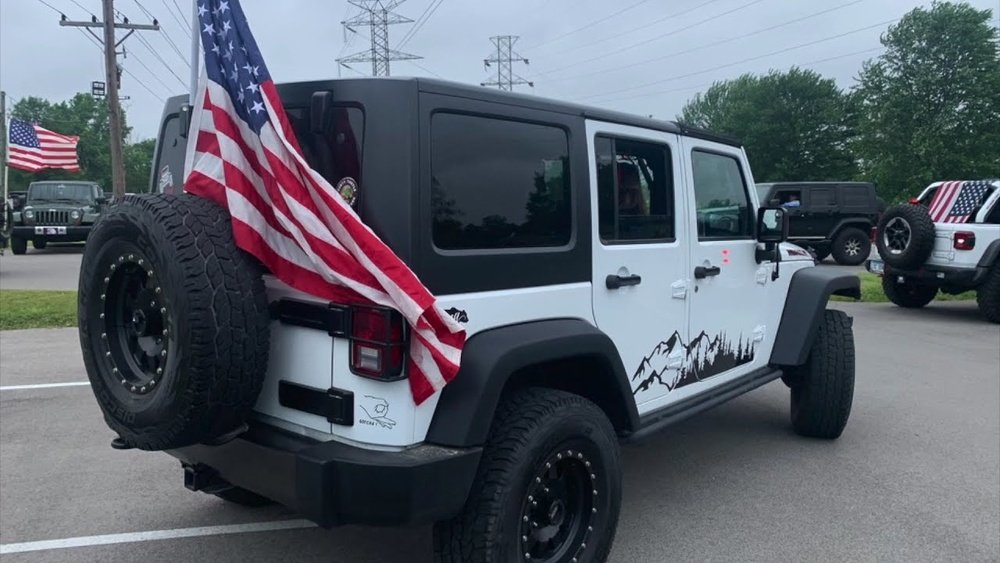
Choosing The Right Flag Mount
The first step is picking the right flag mount for your Jeep. There are several types, each with pros and cons. Your choice will depend on your Jeep model, how often you’ll use the flag, and your driving habits.
Here’s a comparison of popular flag mount types:
| Mount Type | Best For | Pros | Cons |
|---|---|---|---|
| Bumper Mount | Easy access, off-roading | Sturdy, easy install | May block rear sensors |
| Tire Carrier Mount | Jeeps with spare tires | Good visibility, secure | Needs tire carrier |
| Hitch Mount | Towing, quick removal | No drilling, removable | May rattle on rough roads |
| Roll Bar Mount | Soft top Jeeps | Easy to access | Limited flag size |
Pro tip: If you plan to remove the flag often, a hitch mount is convenient. For permanent display, bumper or tire carrier mounts are more secure.
Tools And Materials Needed
Mounting a flag is simple with the right tools. Here’s what you’ll usually need:
- Flag mount kit (match your Jeep model)
- Flagpole (aluminum or fiberglass, 4–6 feet recommended)
- Wrench set
- Screwdriver
- Drill (for some mounts)
- Locking pins or bolts
- Zip ties or clips (for extra stability)
Using quality materials prevents your flag from coming loose at high speeds.
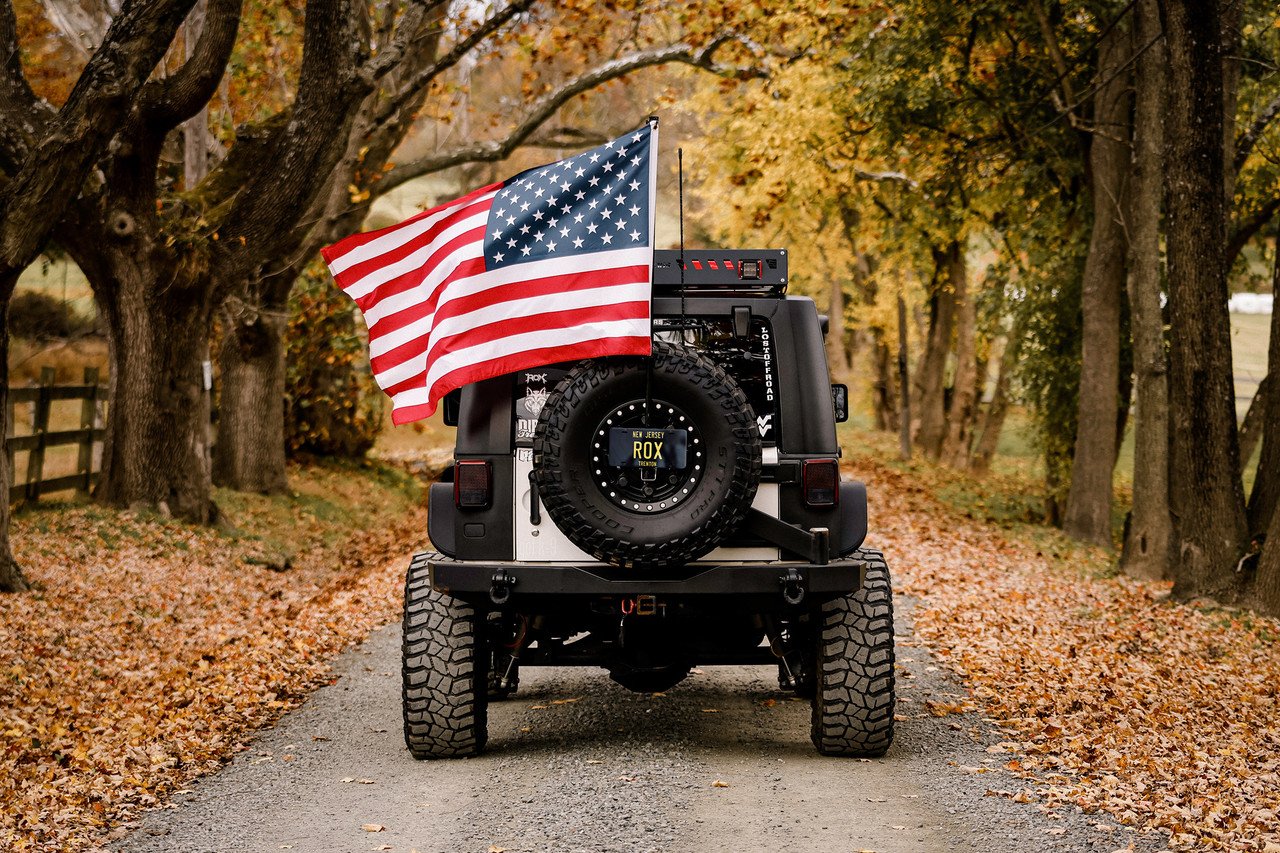
Step-by-step: Mounting Your Flag
Now, let’s break down the process. This guide covers the most popular methods bumper, hitch, and tire carrier.
1. Prepare The Mounting Area
Clean the area where you’ll attach the mount. Dirt or debris can cause loose connections.
Check your Jeep’s manual to locate the best spots.
2. Attach The Mount
- Bumper Mount: Find pre-drilled holes or use a drill to create new ones. Bolt the mount firmly using a wrench.
- Hitch Mount: Slide the mount into the hitch receiver. Insert the locking pin and secure it.
- Tire Carrier Mount: Remove the spare tire if needed. Align the mount, bolt it to the carrier, then replace the tire.
3. Install The Flagpole
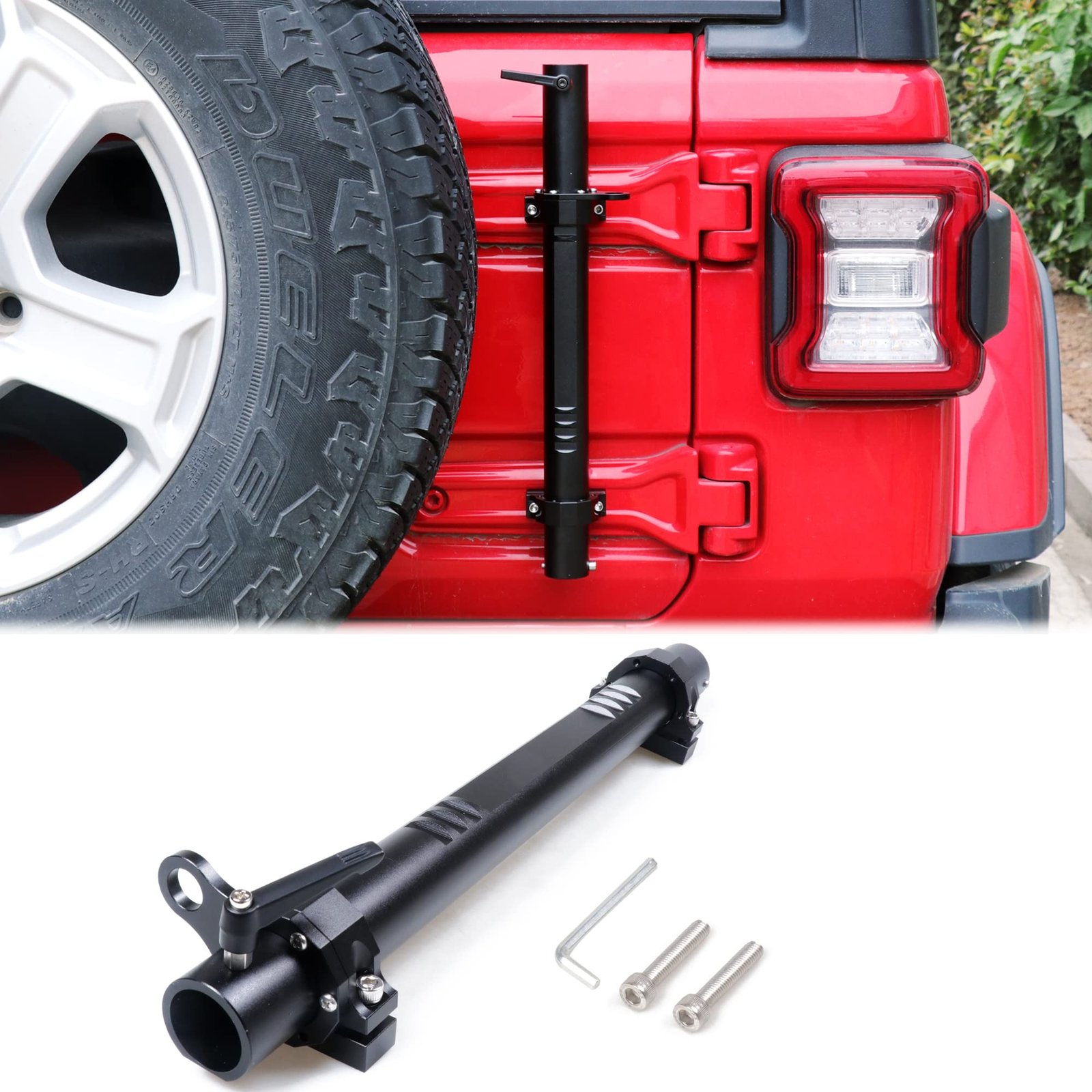
Insert the flagpole into the mount. Most kits use either a locking screw or pin. Tighten everything to prevent movement.
4. Attach The Flag
Use the supplied clips or zip ties to fasten your flag. Make sure it hangs freely and does not touch the Jeep’s body. This prevents wear and tear.
5. Test For Security
Gently shake the flagpole. If it moves, tighten the bolts. Drive a short distance and check again.
Safety And Legal Tips
Not every flag setup is road-legal. Many places have rules about flag size, placement, and how far it can extend. Here’s a quick look at what to watch for:
| Requirement | Typical Rule | Why Important |
|---|---|---|
| Flag Size | Max 3×5 feet | Prevents visibility issues |
| Height | Not above 13 feet from ground | Avoids power lines, bridges |
| Placement | Cannot block lights or plate | Legal compliance |
Always double-check your local laws. Some cities ban large flags on public roads.
Maintaining Your Flag
A flag on a Jeep faces wind, rain, and sun. To keep it looking good:
- Wash the flag every few weeks.
- Check for tears after off-roading.
- Replace faded or ripped flags quickly.
- Tighten mounts monthly.
A faded or frayed flag can be seen as disrespectful in many cultures, so keeping it fresh matters.
Common Mistakes And How To Avoid Them
- Loose fasteners: Always double-check bolts and pins before each trip.
- Oversized flags: Large flags catch more wind and can damage your mount.
- Blocking rearview: Make sure the flag doesn’t block your mirrors or license plate.
- Ignoring local laws: Fines for illegal flag placement can be steep.
Beginner insight: Many new owners forget that flags act like sails. At highway speeds, even a small flag creates a lot of force. Using a thin pole or plastic mount can cause breakage.
Another tip: If you off-road often, choose a flexible fiberglass pole. It bends and won’t snap if it hits a branch.
Recommended Flagpole Materials
Not all flagpoles are equal. Here’s a quick comparison:
| Material | Durability | Best For | Downside |
|---|---|---|---|
| Aluminum | High | Daily driving | Heavier, may rattle |
| Fiberglass | Medium-High | Off-roading | Can fade in sun |
| Plastic | Low | Temporary use | Breaks easily |
For most Jeep owners, fiberglass offers the best mix of flexibility and strength.
Where To Buy Quality Flag Mounts
You can find Jeep flag mounts at auto parts stores, online retailers, and specialty Jeep shops. Always check reviews and make sure the mount fits your specific model. For more technical specs and installation guides, visit the Jeep Wikipedia page.
Frequently Asked Questions
How Do I Keep My Flag From Tangling?
Use rotating flag clips or anti-wrap rings. These help your flag spin freely and avoid knots, especially at high speeds.
Can I Mount More Than One Flag On My Jeep?
Yes, but use a dual-mount bracket. Make sure the total width does not exceed your Jeep’s body, or you could break road laws.
Will Mounting A Flag Damage My Jeep’s Paint?
Not if you use a mount with rubber pads or protective sleeves. Avoid drilling directly into painted surfaces.
How Tall Should My Jeep Flagpole Be?
A 4 to 6-foot pole works for most. Taller poles are more visible but can hit trees or wires. Always check local height limits.
What’s The Safest Way To Remove A Flag Mount?
Loosen all bolts or pins, and pull the pole straight out. If the mount is stuck, spray with WD-40.
Never force it, or you could bend the mount.
Mounting a flag on your Jeep is a fun way to show off your style, but safety and proper installation are key.
With the right tools, a good mount, and some regular checks, you’ll enjoy your flag for years on the road or the trail.