The Jeep Wrangler is more than just a vehicle it's a symbol of adventure and freedom. If you own one, you know it can go almost anywhere.
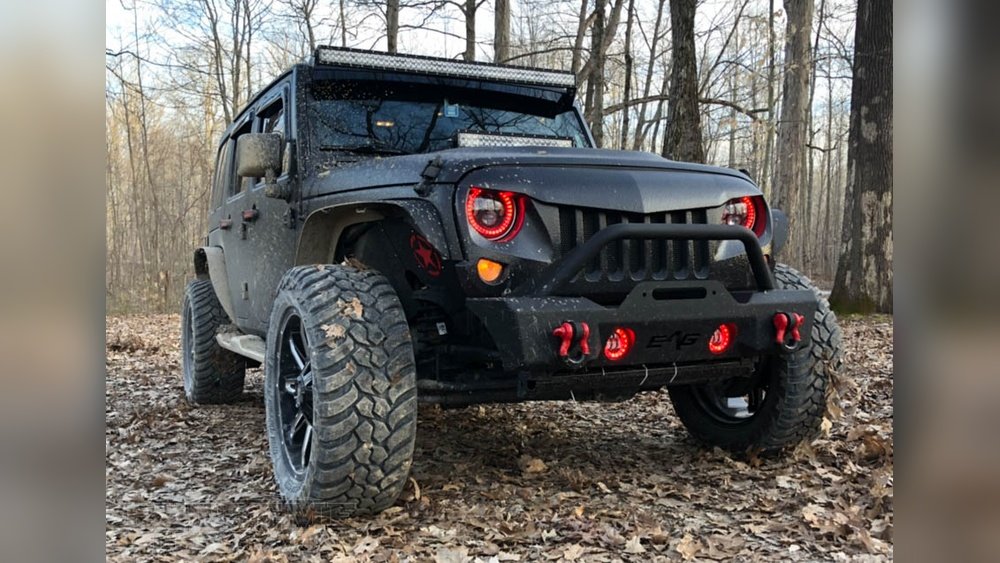
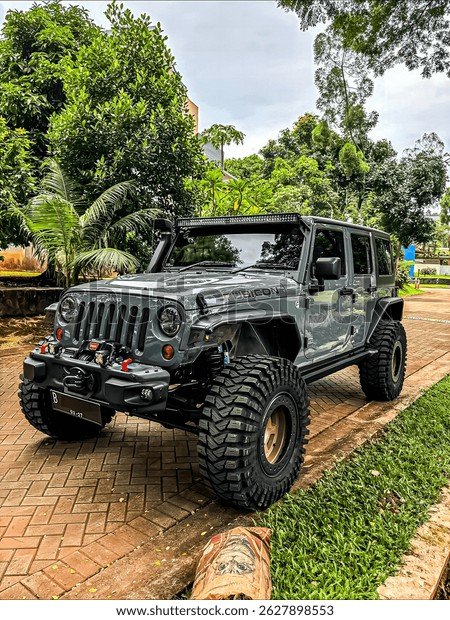
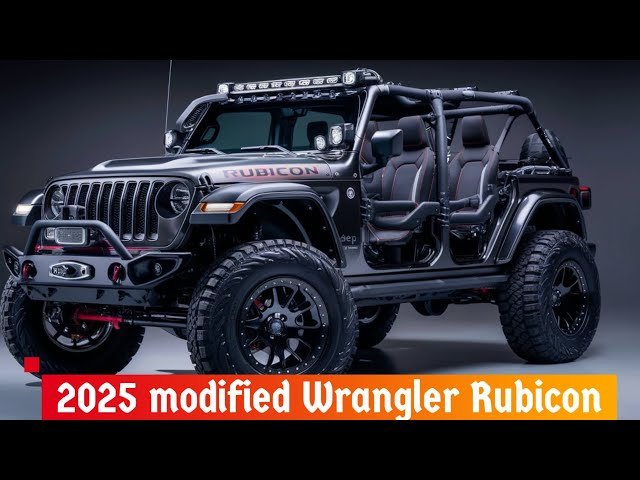
But for many drivers, stock Wranglers are just the beginning. Modifying your Jeep Wrangler can make it better off-road, more comfortable, and truly your own.
Whether you want bigger tires, more power, or custom styling, there are many ways to upgrade. Here’s how you can modify your Jeep Wrangler safely, legally, and with real improvements.
Deciding What To Modify
Before starting, think about how you use your Jeep. Is it mostly for city driving, long road trips, or off-roading? Your answer will guide your choices.
- Daily driving: Focus on comfort, sound systems, and fuel efficiency.
- Off-roading: Prioritize suspension lifts, tires, recovery gear, and protection.
- Show vehicles: Consider custom paint, lighting, and interior upgrades.
Setting a budget is also important. Some changes, like a simple light bar, are affordable.
Others, like a full suspension lift, can cost several thousand dollars.
Suspension And Lift Kits
One of the most popular upgrades is a suspension lift. This raises your Wrangler, making room for larger tires and giving you more ground clearance for off-roading.
| Lift Height | Cost (Approx.) | Recommended Use |
|---|---|---|
| 1–2 inches | $400–$1,000 | Mild off-road, daily drive |
| 2.5–4 inches | $1,000–$2,500 | Serious off-roading |
| 4+ inches | $2,500+ | Extreme trails, show build |
When you lift your Jeep, you may also need to upgrade shocks, driveshafts, and control arms for safety and stability.
Wheels And Tires
Bigger, tougher tires are a must for off-roading. They give better grip on rocks, mud, and sand. But, they also affect fuel economy and ride comfort.
| Tire Size | Performance | Fuel Efficiency Impact |
|---|---|---|
| 31–33 inches | Good for mild trails | -2% to -4% |
| 35–37 inches | Heavy off-roading | -5% to -10% |
| Over 37 inches | Extreme conditions | More than -10% |
Don’t forget to match your wheel size and offset to avoid rubbing issues. After changing tire size, recalibrate your speedometer for accurate readings.
Armor And Protection
Rocks and rough trails can easily damage your Jeep’s undercarriage and body. Adding armor keeps it safe.
- Rock sliders: Protect the sides and underbody.
- Skid plates: Guard vital parts like the oil pan and fuel tank.
- Heavy-duty bumpers: Add strength and space for a winch.
Some armor can add weight, which may affect fuel economy and handling. Choose what you really need for your driving style.
Lighting Upgrades
Upgrading your Wrangler’s lights is both practical and stylish. LED headlights and light bars improve night visibility. Fog lights and rock lights help on dark trails.
When installing extra lights, check your local laws. Some places limit brightness or require covers for off-road lights on public roads.
Performance Upgrades
If you want more power, there are several options:
- Cold air intake: Improves airflow and adds a small horsepower boost.
- Performance exhaust: Increases horsepower and gives a deeper sound.
- Re-gearing: Helps restore power after installing larger tires.
A common mistake is adding power without upgrading supporting parts, like brakes. Always keep safety in mind when increasing performance.
Interior Comfort And Technology
You don’t have to focus only on the outside. Inside, you can add:
- All-weather floor mats for easy cleaning.
- Upgraded audio systems for better sound.
- Navigation and touchscreen units for modern convenience.
Some owners install grab handles and storage solutions for more comfort and space.
Recovery Gear
If you take your Jeep off-road, you need to be ready for trouble. Essential gear includes:
- Winch: For pulling yourself or others out of mud and sand.
- Recovery straps: For safe towing.
- Hi-lift jack: For changing tires or lifting your Jeep on uneven ground.
- Traction boards: Useful in snow and soft ground.
Beginner mistake: Relying on factory tow points, which may not be strong enough. Install proper recovery points before you hit the trails.
Legal And Insurance Considerations
Not all modifications are street legal. Check your state’s rules about bumper height, tire coverage, and lighting.
Some upgrades might affect your warranty or insurance costs. Always tell your insurer about major changes to avoid trouble if you need to file a claim.
Common Mistakes To Avoid
- Skipping research: Some parts don’t fit all Wrangler models. Double-check compatibility.
- Ignoring alignment: After a lift, get a professional alignment to avoid uneven tire wear.
- Over-modifying: Too many heavy parts can hurt fuel economy and handling.
- Not planning upgrades together: For example, bigger tires often require a lift and re-gearing.
Real-world Example
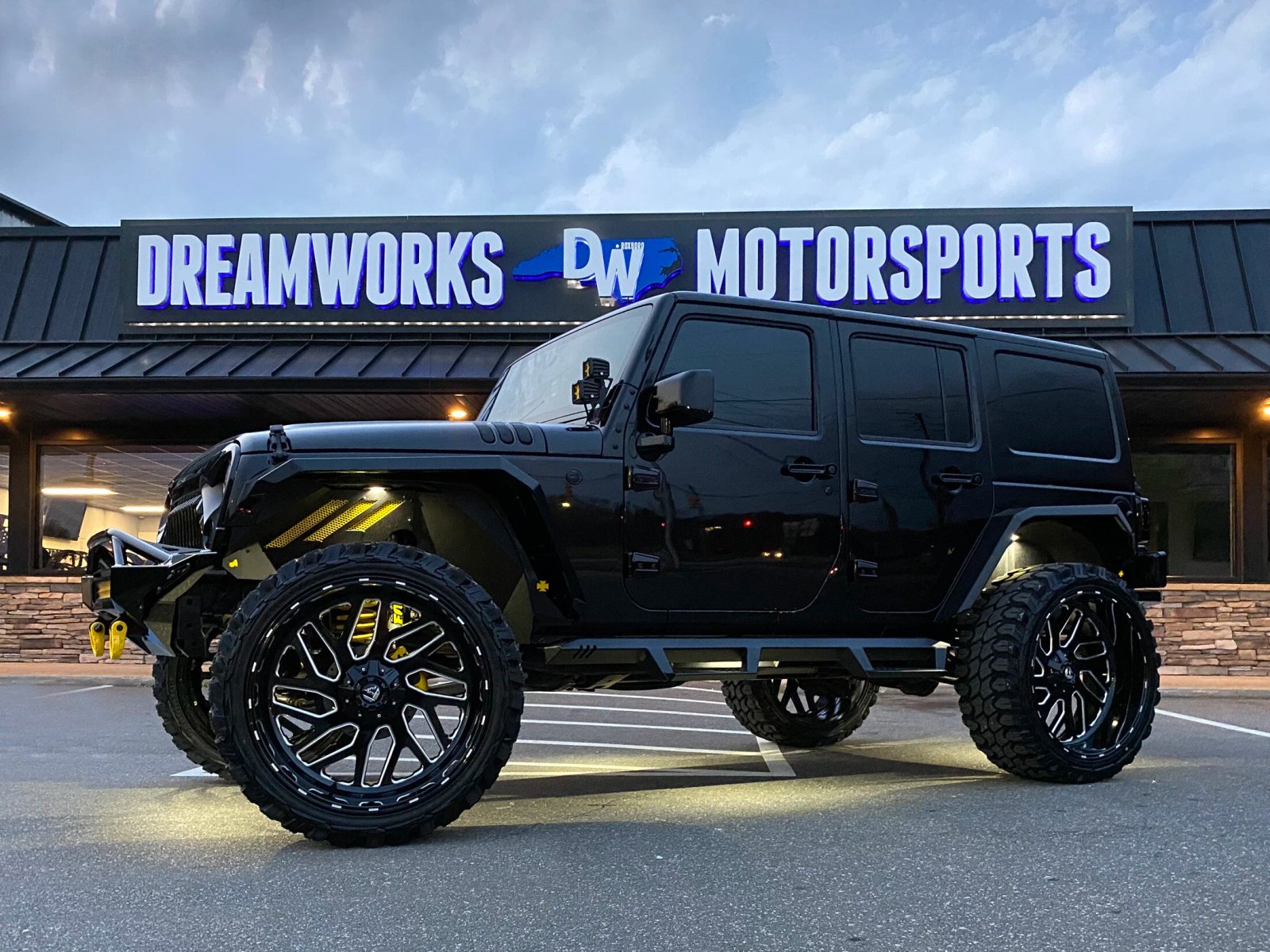
A Wrangler owner named Mike wanted better off-road performance. He installed a 2.
5-inch lift, 35-inch tires, steel bumpers, and a winch. At first, he forgot to re-gear his axles.
The Jeep felt slow and used more gas. After re-gearing, both power and mileage improved.
This shows how thinking ahead can save money and trouble.
Where To Find Quality Parts
Trusted brands like Mopar, Teraflex, and ARB offer reliable Jeep parts. Read reviews and ask for advice in Jeep forums. Some large online retailers, like ExtremeTerrain, have helpful guides and buyer reviews.
Frequently Asked Questions
How Much Does It Cost To Modify A Jeep Wrangler?
It depends on your goals. A basic lift and tires might cost $2,000 $4,000. Full off-road builds can easily exceed $10,000.
Will Modifications Void My Warranty?
Some changes can affect your warranty, especially those involving the suspension or engine. Ask your dealer before making major upgrades.
Can I Install Mods Myself Or Need A Professional?
Many upgrades, like lights and floor mats, are DIY-friendly. Complex work like lifts or re-gearing is best left to professionals.
What Are The Best First Mods For A Jeep Wrangler?
Most owners start with tires, a mild lift kit, and armor for protection. These give the best mix of performance and value.
Are Modified Jeeps Harder To Sell?
Some buyers love mods, others want stock vehicles. Keep your original parts in case you want to return the Jeep to factory condition.
Customizing your Jeep Wrangler is a fun way to make it truly yours. With smart choices and good planning, you’ll end up with a Jeep that handles better, looks great, and is ready for any adventure.