If you love adventure and off-road fun, you probably know the Jeep Wrangler is famous for its rugged design and ability to tackle rough terrain. But what about driving on regular roads? Many Wrangler owners notice their Jeeps feel less stable or smooth compared to normal cars, especially when turning or driving fast on highways. The good news is: you can make your Jeep Wrangler handle better, both on and off the road, without losing its tough character.
This article explains practical steps, upgrades, and tips to improve your Wrangler’s handling. Whether you drive a classic TJ, a JK, or the latest JL, you’ll find ideas that fit your needs and budget.
We’ll cover the basics, advanced options, and common mistakes to avoid so you can enjoy a safer, more comfortable, and more controlled ride.
Understanding Jeep Wrangler Handling Challenges
Every Jeep Wrangler has a unique suspension system and body design. These features help it excel off-road, but they also cause certain handling issues on paved roads.
It’s important to know these challenges before making changes.
- Solid axles: Wranglers use solid (live) axles front and rear, which are strong for off-roading but make the ride bumpy on streets.
- High center of gravity: The tall stance helps with ground clearance but increases body roll in corners.
- Short wheelbase: Classic two-door models turn quickly but can feel twitchy at high speeds.
- Large tires: Off-road tires provide grip on dirt but can feel squirmy or noisy on asphalt.
Many owners also add lifts, wider tires, or other modifications. If done wrong, these can make handling worse.
Start by checking your Wrangler’s current setup and any modifications already done.
Start With The Basics: Maintenance And Alignment
Before buying upgrades, ensure your Wrangler is in top shape. Poor maintenance can ruin handling, even with expensive parts.
- Check tire pressure: Too high or too low changes grip and steering response. Stick to the recommended PSI (usually 32–37 PSI).
- Inspect suspension parts: Worn ball joints, bushings, or shocks cause loose steering and wandering.
- Steering system: Look for play in tie rods and the steering box. Even a small amount of free play affects control.
- Wheel alignment: Wranglers need proper toe, caster, and camber angles. Misalignment causes pulling, uneven tire wear, and poor cornering.
Regularly servicing these basics ensures your Jeep handles as well as it can before any modifications.
Upgrade Suspension Components For Stability
Suspension upgrades can make your Wrangler feel much more stable and controlled, especially during turns or emergency maneuvers.
Shocks And Struts
High-quality shock absorbers are the foundation of good handling. Factory shocks wear out quickly, especially with off-road use or heavy tires.
- Gas-charged shocks (like Bilstein 5100) offer better damping and quicker rebound.
- Adjustable shocks let you fine-tune ride comfort for daily driving or off-roading.
Sway Bars
The sway bar (or anti-roll bar) controls body lean during turns. Wranglers have disconnectable front sway bars for off-road flex, but on pavement, you want them connected.
- Upgrading to a thicker sway bar or heavy-duty links reduces body roll.
- Some kits let you adjust stiffness for different driving conditions.
Control Arms
Aftermarket control arms improve suspension geometry, especially on lifted Wranglers. They help maintain correct alignment and reduce wandering.
- Adjustable arms allow you to fine-tune caster angle, improving straight-line stability.
Tire Choices: The Right Balance
Tires are your Jeep’s only contact with the road. Choosing wisely can improve handling more than most other upgrades.
On-road Vs Off-road Tires
- All-terrain (A/T) tires: Good balance for daily driving and light off-roading. Less noisy, better grip on pavement.
- Mud-terrain (M/T) tires: Great for deep mud or rocks, but less stable on highways and louder.
- Highway-terrain (H/T) tires: Best for street use, with quiet, predictable handling.
Tire Size And Wheel Offset
Going too big with tires or choosing a wheel with the wrong offset hurts handling:
- Stay near factory size for best steering feel (for example, 31–33 inches for most models).
- Wide tires and deep-offset wheels may rub and increase bump steer.
Here’s a simple comparison of tire types and their handling effects:
| Tire Type | On-Road Handling | Off-Road Grip | Noise Level |
|---|---|---|---|
| All-Terrain (A/T) | Good | Moderate | Low-Medium |
| Mud-Terrain (M/T) | Fair | High | High |
| Highway-Terrain (H/T) | Excellent | Poor | Low |
Steering Upgrades For Precision
Steering is a common weak spot on Wranglers, especially as they age or after lifting.
Steering Stabilizer
A steering stabilizer (dampener) acts like a shock absorber for the steering system. It helps control sudden jolts from potholes or rocks.
- If your Jeep pulls left/right or the steering wheel shakes, check for worn components first.
- Upgrading to a heavy-duty stabilizer smooths out the steering feel.
Upgraded Steering Box And Linkages
Older Wranglers (especially YJ/TJ) often benefit from a stronger steering box or beefier tie rods.
- Aftermarket steering boxes give more precise response and last longer.
- Heavy-duty drag links and tie rods reduce flex for tighter control.
Suspension Lifts: Do It Right
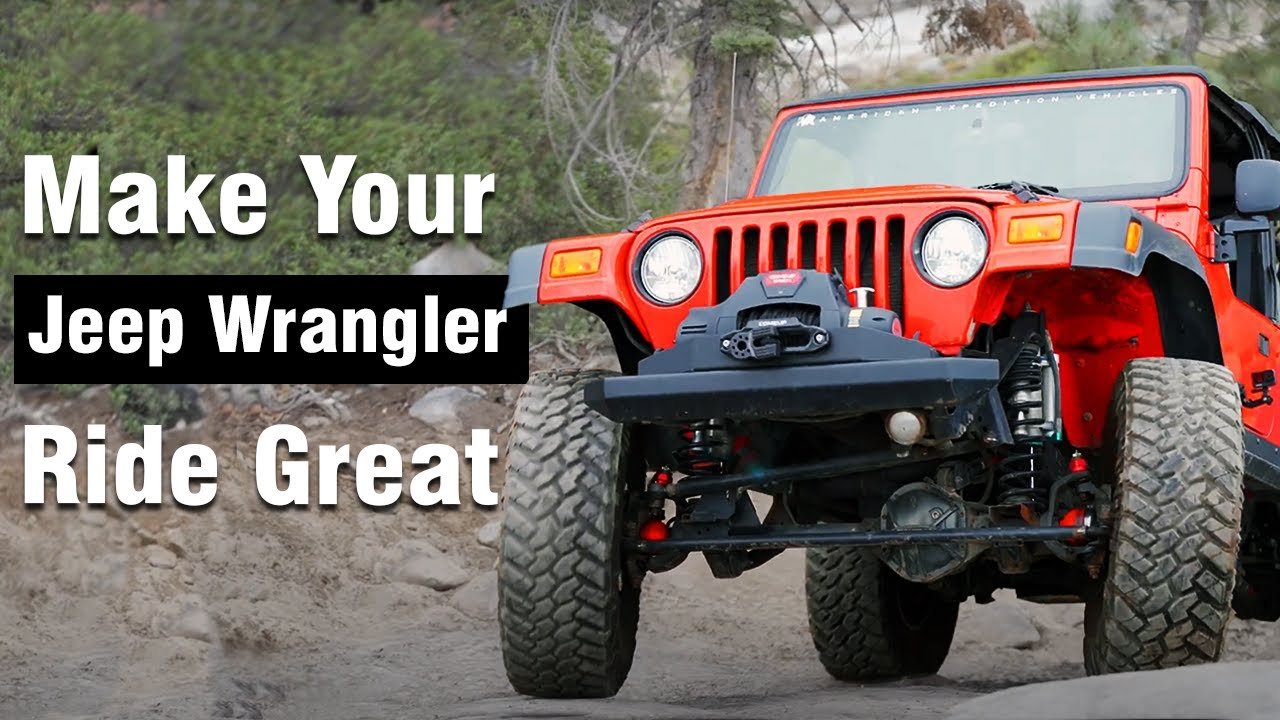
Many Jeep owners lift their Wranglers for looks or off-road clearance. Lifting changes the factory suspension geometry doing it wrong leads to poor handling or “death wobble. ”
Quality Lift Kits
Choose a lift kit that matches how you use your Jeep. Look for:
- Complete kits with springs, shocks, sway bar links, control arms, and track bars.
- Kits that correct caster and pinion angles to avoid vibration and wandering.
Avoid Common Lift Mistakes
- Don’t install only lift blocks or cheap spacers; they stress stock parts.
- Align your Jeep after any lift to ensure safe handling.
Here’s a quick look at the effect of different lift heights:
| Lift Height | Handling Impact | Off-Road Benefit |
|---|---|---|
| 0–2 inches | Minimal change | Better clearance for slightly larger tires |
| 2–3.5 inches | Noticeable body roll, needs upgraded components | Good for moderate off-roading |
| 4+ inches | Major change; must upgrade steering, driveshafts, etc. | Serious rock crawling, big tires |
Lowering Center Of Gravity For Safer Handling
A high center of gravity (COG) increases the risk of rollovers and body lean. There are ways to keep your Jeep stable:
- Use heavy-duty springs to support extra weight (like bumpers or roof racks) without sagging.
- Choose lighter wheels and tires if possible to reduce unsprung mass.
- Store heavy gear low in the vehicle, not on the roof.
For daily drivers, avoid roof racks or big lifts unless truly needed. Keeping weight low and centered gives a big handling boost.
Brakes And Traction Aids
Handling isn’t just about turning it’s also about stopping safely and maintaining control.
Brake Upgrades
Larger tires and wheels add weight and rolling resistance. Upgrading brakes helps keep stopping distances short.
- Slotted or drilled rotors help cool brakes faster.
- Performance pads provide stronger bite but may wear faster.
Traction Control And Differentials
Modern Wranglers (JK, JL) have traction control systems that manage wheel slip in corners. Make sure these are working correctly.
- If you add a locking differential for off-roading, know it can affect cornering on pavement. Switch to “open” mode for daily driving.
Real-world Example: Before And After
Consider this: A 2018 Wrangler JL owner noticed his Jeep wandered on highways and leaned heavily in turns. He made these changes:
- Swapped mud-terrain tires for all-terrain.
- Upgraded shocks to Bilstein 5100.
- Installed a thicker front sway bar.
- Got a full alignment.
After these changes, the Jeep felt more stable, cornered better, and steering was more predictable. He could still enjoy off-roading but felt safer on daily commutes.
Non-obvious Tips For Better Handling
Most guides cover the basics, but here are two insights beginners miss:
- Check tire load ratings. Many aftermarket tires are made for trucks and are much heavier or stiffer than needed. This adds unsprung weight and makes small bumps worse. Choose a tire load rating that matches your Jeep, not a heavy-duty pickup.
- Don’t overtighten sway bar links. Some owners tighten aftermarket links too much, causing suspension binding. Always torque to the manufacturer’s spec, and check with the Jeep on the ground, not hanging.
Professional Alignment: Worth The Money
DIY alignment is possible, but for best handling, get it done by a shop familiar with Jeeps. Ask for a printout of your caster, camber, and toe settings. A little extra positive caster improves highway stability.
When To Consult A Specialist
If your Wrangler still handles poorly after upgrades, or if you notice “death wobble” (violent steering shake at speed), see a professional. Sometimes, hidden frame or axle damage is the cause.
A Jeep expert can diagnose and fix complex issues.
Cost Comparison: Basic Vs Advanced Upgrades
To help plan your budget, here’s a comparison of common upgrades and their price range:
| Upgrade | Estimated Cost (Parts + Labor) | Handling Impact |
|---|---|---|
| Performance Shocks | $400–$900 | High |
| Heavy-Duty Sway Bar | $200–$500 | Medium |
| All-Terrain Tires | $700–$1,200 | High |
| Steering Stabilizer | $100–$250 | Medium |
| Complete Lift Kit (2–3″) | $1,200–$3,000 | High (if done right) |
Final Thoughts
Improving your Jeep Wrangler’s handling is possible, even if you love big tires or off-road adventures. Start with good maintenance, then add upgrades step by step. Focus on suspension, tires, and steering before chasing big lifts or heavy accessories. Small changes can make a big difference in how safe and enjoyable your Wrangler feels every day. Test each change, and don’t be afraid to ask for expert help when needed. For more details on suspension systems, check the Jeep Wrangler page on Wikipedia.
Frequently Asked Questions
What Causes The “death Wobble” In A Jeep Wrangler?
The death wobble is a violent steering shake, usually after hitting a bump at highway speed. It’s often caused by loose or worn steering and suspension parts, incorrect alignment, or imbalance in tires. Fixing it usually means checking every steering and suspension joint and doing a proper alignment.
Will Bigger Tires Make My Wrangler Handle Worse?
Yes, bigger tires often hurt handling, especially if they are much wider or heavier than stock. They add weight, change steering feel, and can cause rubbing or “bump steer.” Try to stay close to factory size for best handling, unless you upgrade other parts to match.
Is It Safe To Lift My Jeep For Better Off-road Ability?
A lift kit can improve off-road clearance but raises the center of gravity, making the Jeep less stable on-road. Always choose a quality kit that corrects suspension angles, and get a professional alignment after lifting. Avoid lifts over 3.5 inches for daily-driven Wranglers unless you upgrade many related parts.
How Often Should I Align My Jeep Wrangler?
You should do a wheel alignment at least once a year, or any time you change tires, lift the Jeep, or notice uneven tire wear or wandering. Off-road use can knock alignment out of spec, so check more often if you drive on rough trails.
Are Sway Bar Disconnects Safe For Street Driving?
No, sway bar disconnects are for off-road use only. Driving on the street with sway bars disconnected increases body roll and rollover risk. Always reconnect your sway bar before normal driving for safe handling.