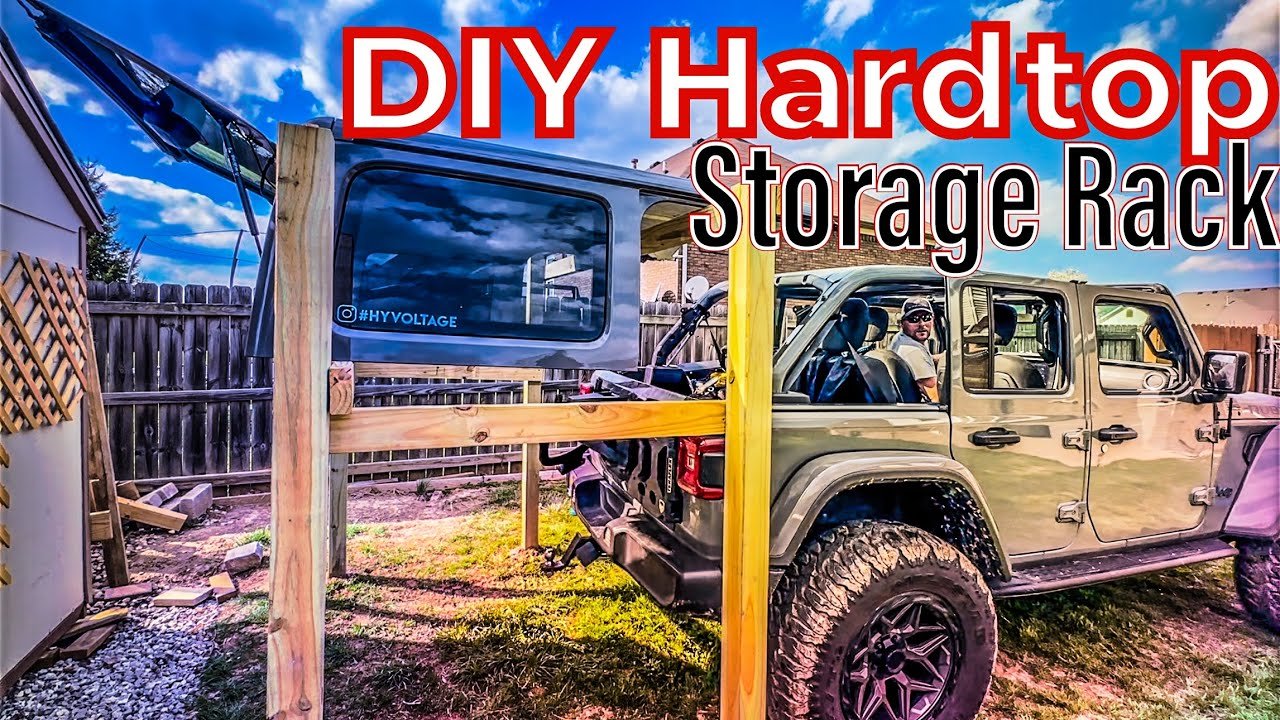
Building your own Jeep hardtop cart is a smart way to protect your hardtop and make moving it easy. If you like working on your Jeep, you know the hardtop is heavy and awkward to handle. A cart gives you a safe, simple way to store and move the hardtop without damaging it. You don’t need to spend hundreds on a store-bought cart—making one at home costs less and can be customized for your space. Let’s explore how to make a Jeep hardtop cart that’s strong, safe, and practical, even if you’re not a professional builder.
Why Use A Hardtop Cart?
A hardtop cart is not just about convenience—it’s about safety and protecting your investment. The average Jeep hardtop weighs about 100–150 pounds. Lifting it alone is risky, and storing it on the ground can cause scratches or cracks. Using a cart:
- Prevents damage to the hardtop’s paint and seals
- Reduces the risk of back injuries
- Saves space in your garage
Many Jeep owners are surprised at how much easier maintenance and seasonal changes become with a good cart.
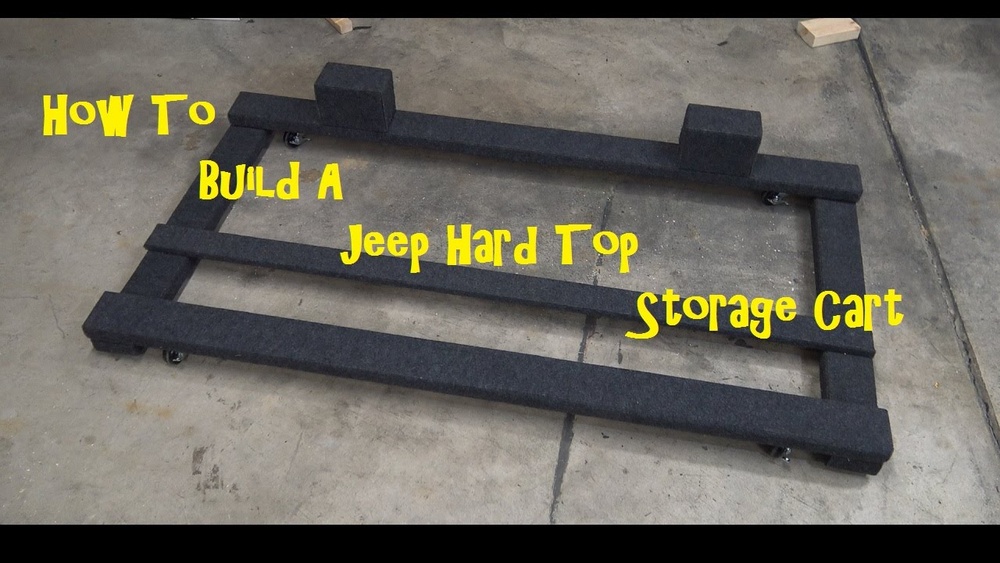
Materials And Tools You’ll Need
Before starting, gather all materials. You can adjust sizes to fit your Jeep model (Wrangler, Gladiator, etc. ), but most carts fit standard hardtops.
Main Materials:
- 2×4 wood boards (about 5–6 pieces, 8 feet each)
- 3-inch wood screws (about 20)
- Heavy-duty caster wheels (4, rated for at least 150 pounds each)
- Soft foam padding or carpet scraps (for protection)
- Wood glue (optional, for extra strength)
Tools:
- Power drill and bits
- Saw (hand or electric)
- Tape measure
- Screwdriver
- Sandpaper
Some people add metal braces for extra strength, but wood-only carts are sturdy enough for most uses.
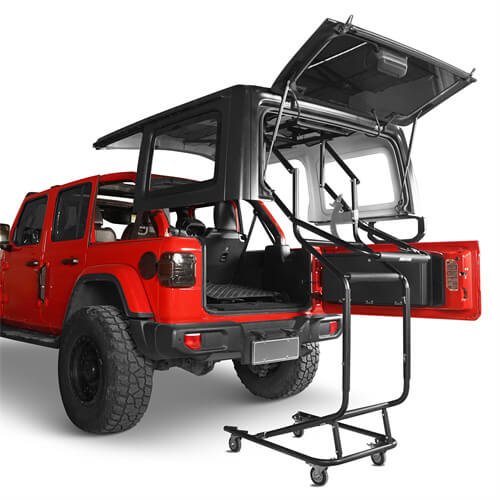
Step-by-step Cart Construction
Making your cart doesn’t require expert skills. Follow these steps for a safe, functional cart:
- Measure the Hardtop: Use a tape measure to record the width and length of your hardtop’s base. Add 2 inches to each side for easy placement.
- Cut the Wood: Saw 2×4 boards into these lengths:
- 2 pieces at hardtop width
- 2 pieces at hardtop length
- 4 pieces at 24 inches (for vertical support)
- Build the Base Frame: Place the two width boards parallel and attach the length boards at each end, making a rectangle. Use wood screws for strong joints.
- Attach Vertical Supports: Stand the 24-inch boards upright at each corner. Screw them into the frame securely.
- Add Padding: Glue soft foam or carpet onto the top of the vertical supports. This prevents scratches.
- Install Casters: Flip the frame upside down. Screw a caster into each corner. Make sure the wheels swivel and are rated for heavy loads.
- Sand and Finish: Smooth rough edges with sandpaper. Optionally, paint the cart or add more padding.
Most carts are ready in 2 3 hours. For extra stability, some owners add a crossbar between vertical supports, but this isn’t required for basic use.
Comparing Diy Vs Store-bought Carts
Buying a cart is easier, but building your own has real advantages. Here’s a quick look:
| Feature | DIY Cart | Store-Bought Cart |
|---|---|---|
| Cost | $50–$80 | $150–$350 |
| Customization | High (size, padding) | Low (fixed size) |
| Build Time | 2–3 hours | No build needed |
| Strength | Very strong | Strong |
| Space Saving | Can design for your garage | Standard design |
Non-obvious insight: DIY carts can be made wider for easier loading, a feature most store carts lack. Also, you can add extra padding in places where your hardtop is most vulnerable.
Cart Dimensions For Different Jeep Models
Not all Jeep hardtops are the same. Here’s a guide for popular models:
| Jeep Model | Suggested Cart Width | Suggested Cart Length |
|---|---|---|
| Wrangler JK/ JL | 55 inches | 43 inches |
| Gladiator | 60 inches | 48 inches |
| CJ Series | 52 inches | 40 inches |
Always measure your own hardtop to be sure, since aftermarket tops may differ.
Tips For Safe Use And Storage
A good cart is only as safe as how you use it. Here are some tips:
- Always lift the hardtop with help—two people are best.
- Place the cart on a level surface to avoid rolling.
- Check caster wheels regularly for wear.
- Store the hardtop with the window facing up to avoid glass damage.
- If storing for winter, cover the hardtop with a breathable tarp.
Many Jeep owners forget to check the cart’s screws and wheels over time. Tighten any loose parts before each use.

Common Mistakes To Avoid
Some errors can cause damage or make your cart unsafe:
- Wrong measurements: If your cart is too small, the hardtop won’t fit and could fall.
- Weak wheels: Cheap casters can break, causing accidents.
- No padding: Hardtop edges are fragile. Always use foam or carpet.
- Overloading: Don’t store other heavy items on the cart.
- Ignoring maintenance: Loose screws or cracked wood can cause collapse.
For more detailed safety tips, check the official Jeep maintenance guidelines at Jeep Life.
Frequently Asked Questions
How Much Weight Can A Jeep Hardtop Cart Hold?
Most homemade carts, using 2×4 lumber and quality casters, can hold up to 200 pounds. Always check the caster ratings. Some hardtops may weigh more if they have aftermarket parts.
What Type Of Caster Wheels Should I Use?
Choose heavy-duty swivel casters rated for at least 150 pounds each. Locking casters are best for added safety during storage.
Can I Use Metal Instead Of Wood For The Cart?
Yes, metal carts are possible but require welding tools and skills. Wood is easier for most DIY builders and is strong enough for typical hardtop weights.
How Do I Protect The Hardtop From Scratches?
Use soft foam or carpet padding where the hardtop touches the cart. Avoid hard surfaces, which can cause paint damage or cracks.
Is It Safe To Move The Cart Outside?
You can move your cart outside if the surface is smooth and flat. Avoid rough or sloped ground, as the cart can tip over or get stuck.
Building a Jeep hardtop cart is a simple project that makes life much easier for Jeep owners. It saves money, reduces risk, and protects your hardtop for years.
If you follow these steps and tips, your cart will be safe, strong, and ready for every season.