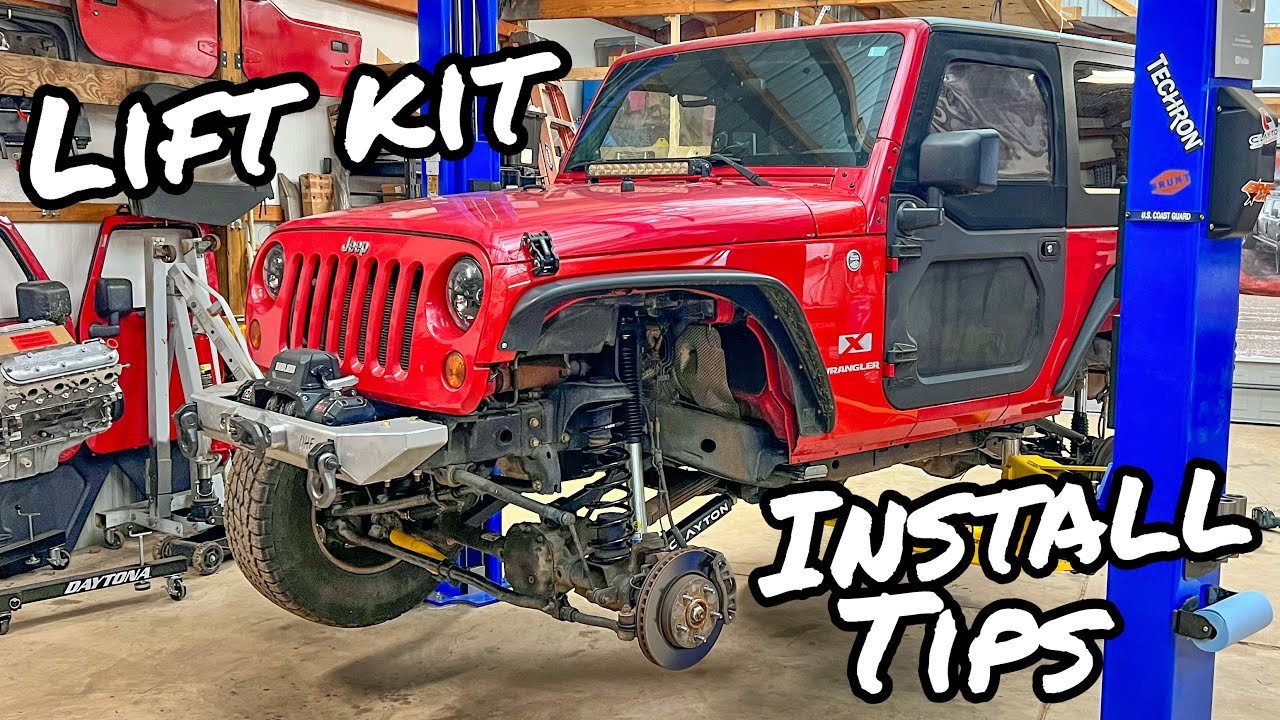
Lifting a Jeep is a popular way to improve off-road ability, get a better view of the road, or give your vehicle a rugged look. But lifting a Jeep is more than just installing bigger tires.
It involves changes to the suspension, steering, and sometimes even the brakes.
If you want to do it right, you need to plan carefully and know what to expect. Let’s explore how to lift a Jeep, which lift kits are best, and what to watch out for.
Why Lift Your Jeep?
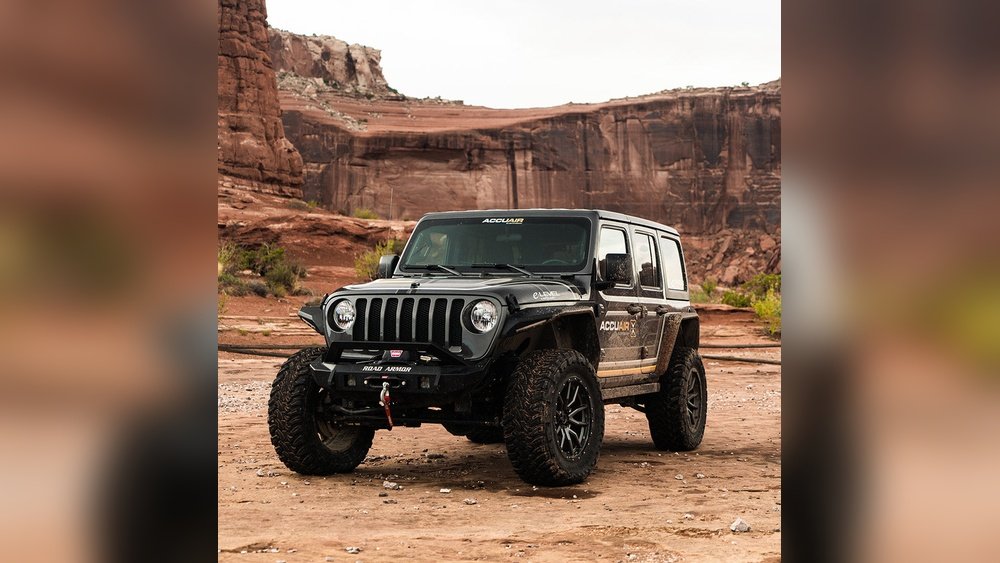
A lifted Jeep has several advantages. First, the increased ground clearance allows you to drive over rocks, mud, and rough terrain with less risk of damage. Second, you can use larger tires, which improve grip and traction off-road. Finally, a lifted Jeep simply looks more aggressive and unique.
However, lifting your Jeep can also have downsides. It may change the way your vehicle handles, reduce fuel economy, and cause faster wear on suspension parts if not installed correctly.
That’s why it’s important to understand your options and the process.
Types Of Jeep Lift Kits
There are several types of lift kits, each with its own benefits and challenges. Here’s a quick comparison:
| Lift Kit Type | Lift Height | Cost Range | Complexity | Best For |
|---|---|---|---|---|
| Body Lift | 1-3 inches | $100-$400 | Low | Looks, mild off-road |
| Spacer (Budget Boost) | 1-2.5 inches | $150-$600 | Low | Entry-level, daily use |
| Suspension Lift | 2-6+ inches | $500-$3,000+ | Medium-High | Serious off-road |
| Long Arm Lift | 3-6+ inches | $1,500-$5,000+ | High | Extreme off-road |
Body lifts raise the Jeep’s body from the frame using spacers. Spacer lifts (also called budget boost) use coil spacers to slightly raise the suspension. Suspension lifts replace springs and shocks for more height and travel. Long arm lifts add new suspension arms for maximum articulation.
Planning Your Jeep Lift
Before buying any parts, think about these key points:
- Purpose: Are you lifting for looks, occasional trails, or tough rock crawling?
- Budget: Kits range from a few hundred to several thousand dollars.
- Tire Size: Bigger lifts allow bigger tires, but you may need to re-gear axles.
- Legal Limits: Some states have restrictions on vehicle height.
- Daily Driving: Lifts over 3 inches may make daily driving less comfortable.
Consider this: If you only want to fit 33-inch tires and keep a smooth ride, a 2-2.5 inch spacer or suspension lift is often ideal. For 35-inch tires or extreme trails, a 3-4 inch suspension or long arm kit is better.
Step-by-step: How To Lift A Jeep
Lifting a Jeep isn’t just bolting on new parts. Here’s a simple overview of the process for a basic suspension lift:
1. Preparation
Park on a level surface. Gather tools: jack, jack stands, wrenches, and safety gear. Read all instructions first.
2. Lift The Jeep
Safely raise the Jeep and support it with jack stands under the frame. Remove the wheels.
3. Remove Old Suspension Parts
Unbolt the shocks and springs. For higher lifts, you may need to disconnect sway bar links and track bars.
4. Install New Suspension Components
Install new springs, spacers, or shocks as required. Follow the kit’s order usually rear first, then front.
5. Check Brake And Driveline Extensions
Longer brake lines may be needed. Check driveshaft angles; you might need a transfer case drop or new driveshafts for high lifts.
6. Reinstall Wheels And Lower Jeep
Torque everything to the manufacturer’s specs. Put the wheels back and lower the Jeep.
7. Alignment And Test Drive
Get a professional wheel alignment after any suspension change. Test the Jeep at low speeds and listen for any odd noises.
Here’s a quick checklist for a 2.5-inch suspension lift:
| Task | Needed? | Comments |
|---|---|---|
| New Springs/Shocks | Yes | Improves ride and clearance |
| Brake Line Extensions | Maybe | Check at full flex |
| Track Bar Relocation | Maybe | Prevents side shift |
| Bump Stops | Yes | Protects shocks |
| Driveshaft Mods | No | Not usually needed under 3″ |
Common Mistakes To Avoid
Many beginners make these errors:
- Skipping alignment: This causes tire wear and poor handling.
- Using the wrong kit: Not all lift kits fit every Jeep model.
- Ignoring legal limits: A lift that is too high can be illegal in some states.
- Not upgrading supporting parts: For lifts over 3 inches, you may need new driveshafts, control arms, or even new axles.
- Missing torque specs: Loose bolts can lead to dangerous situations.
One non-obvious insight: Even a small lift can change your Jeep’s handling more than you expect. Always test drive slowly at first and be ready for a different feel, especially on curves.
Cost And Time Estimates
Most basic lifts (2–2.5 inches) take about 4–6 hours with basic tools. Professional installation adds $400–$800 in labor. Higher lifts can take 12 hours or more and may require specialty tools.
A full suspension lift kit for a Jeep Wrangler JK typically costs:
| Lift Height | Kit Price | Professional Install | Total Cost |
|---|---|---|---|
| 2″ | $400-$600 | $500 | $900-$1,100 |
| 3.5″ | $1,000-$1,500 | $700 | $1,700-$2,200 |
| 4.5″+ | $2,000-$4,000+ | $1,000+ | $3,000-$5,000+ |
Final Tips Before Lifting Your Jeep
- Research your Jeep’s model and year—some have unique requirements.
- Read reviews of lift kits before buying.
- Plan for extra costs like re-gearing or tire upgrades if you go above 3 inches.
- Check your warranty—some lifts may void parts of it.
- For extreme off-road, it’s smart to join a Jeep forum or club to learn from others’ experience. Extremeterrain’s Lift Kit Guide gives in-depth comparisons.
A lifted Jeep can bring adventure and style, but it’s important to do it safely. Take your time, double-check every step, and ask for help if you’re unsure.
Frequently Asked Questions
How Much Does It Cost To Lift A Jeep?
Costs vary based on lift height and type. A basic 2-inch lift can cost $900 $1,100 installed, while extreme lifts may reach $5,000 or more.
Will Lifting My Jeep Affect Ride Quality?
Yes, especially with taller lifts. Small lifts (under 2.
5 inches) keep a ride close to stock, while larger lifts make the ride firmer and can change handling.
Do I Need To Upgrade Other Parts When I Lift My Jeep?
Often, yes. For lifts over 3 inches, you may need longer brake lines, new driveshafts, or upgraded control arms for safe and reliable driving.
Can I Install A Lift Kit Myself?
Many people install basic lift kits at home with the right tools and instructions. For complex lifts, professional installation is safer and ensures everything is done correctly.
Are There Laws About Lifting A Jeep?
Some states have height limits for bumpers, lights, or overall vehicle height. Always check your local laws before lifting your Jeep.
For more details, see government resources or state DMV sites.