Lifting a Jeep Wrangler by two inches is a popular way to gain more ground clearance, fit larger tires, and improve its off-road ability. But before you start, it’s important to know what the process involves, what tools you need, and how to avoid common mistakes. This guide walks you through the main steps, compares different lift methods, and helps you decide what’s best for your Wrangler.
Why Lift A Jeep Wrangler 2 Inches?
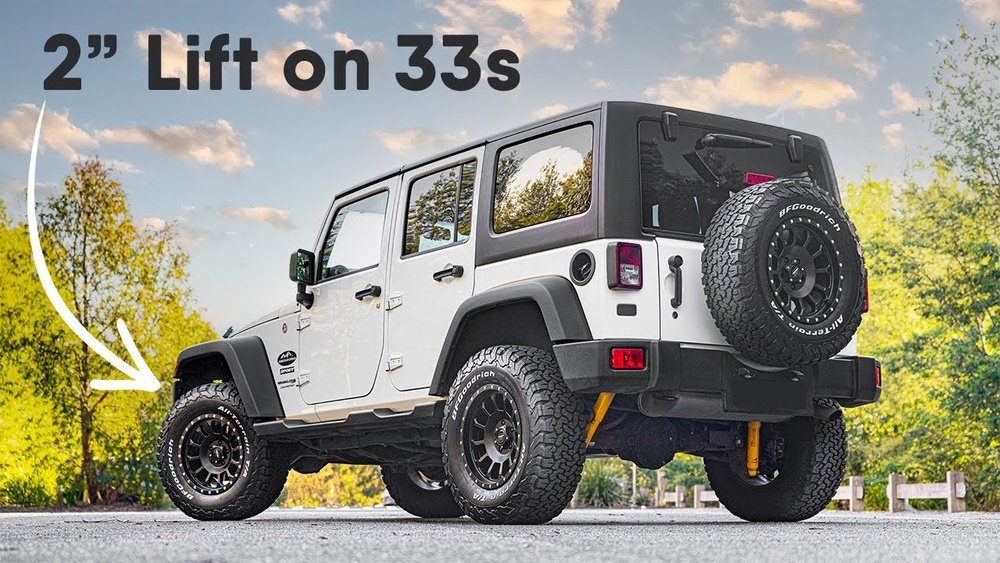
A two-inch lift is perfect for people who want extra clearance without major changes to their vehicle’s handling or comfort. You’ll be able to fit up to 33-inch tires (depending on your model), making it easier to drive over rocks, mud, or deep snow.
Most importantly, a modest lift like this does not usually require expensive upgrades to your drivetrain or steering components. For many Jeep owners, it’s the sweet spot between performance and price.
Main Lift Methods Compared
There are three main ways to raise your Wrangler two inches. Each has its own pros, cons, and price range.
| Lift Method | Cost Range | Ride Quality | Skill Level |
|---|---|---|---|
| Coil Spring Spacer (Budget Boost) | $150–$400 | Good | Beginner |
| New Coil Springs | $300–$700 | Better | Intermediate |
| Body Lift | $100–$300 | Unchanged | Beginner |
Coil spring spacers are the most common for a simple two-inch lift. They are affordable and easy to install. New coil springs can improve ride quality, especially if your Jeep’s springs are old or worn out. Body lifts are the cheapest but don’t increase ground clearance under the axles.
What You’ll Need
Before starting, gather these tools and parts:
- Jack and jack stands (must support your Jeep’s weight)
- Socket and wrench set (metric sizes)
- Pry bar
- Spring compressor (if replacing springs)
- Torque wrench
- Coil spring spacers or lift kit (check if shocks are included)
- WD-40 or similar (for rusty bolts)
Set aside at least 4–6 hours for the project, especially if it’s your first time.
Step-by-step: Installing A 2-inch Coil Spring Spacer Lift
This is the most popular method for a small lift. Here’s how to do it safely:
- Park on level ground and chock the wheels.
- Loosen lug nuts on all four wheels but don’t remove them yet.
- Jack up your Jeep and support it securely on jack stands.
- Remove the wheels to access the suspension.
- Disconnect sway bar links and shocks at the bottom. This lets the axle drop down.
- Lower the axle slowly with your jack until the coil springs are loose.
- Remove the coil springs. You may need a pry bar or spring compressor.
- Place the coil spacers on top of the spring per the kit’s instructions.
- Reinstall the coil springs and make sure they sit correctly.
- Reconnect shocks and sway bar links. Tighten bolts to the manufacturer’s torque specs.
- Put wheels back on and lower the Jeep to the ground.
- Torque all lug nuts and double-check all bolts.
Drive carefully at first to feel how your Jeep handles. If you hear any strange noises, check all bolts again.
Extra Tips For A Smooth Install
- Soak bolts with WD-40 a day before starting. Older Wranglers often have rusted hardware.
- Check brake lines for tension after the lift. Sometimes, they get stretched and need to be replaced or relocated.
- Get an alignment after lifting, even if it’s just two inches. This prevents uneven tire wear and improves handling.
- Inspect suspension bushings. Lifting can reveal worn parts you might want to change at the same time.
Body Lift Vs. Suspension Lift: Key Differences
Some people consider a body lift to raise their Wrangler. Here’s how it compares to a suspension lift:
| Type | Ground Clearance | Installation Difficulty | Cost | Notes |
|---|---|---|---|---|
| Body Lift | Unchanged (only body higher) | Easy | Low | May expose frame, less off-road benefit |
| Suspension Lift | Increases | Moderate | Medium | Better for tire clearance and real off-roading |
Body lifts are simple and cheap, but they don’t improve off-road ability as much as a suspension lift. Suspension lifts actually give you more room under the axles, which is what matters most for rocks or deep ruts.
What To Watch Out For
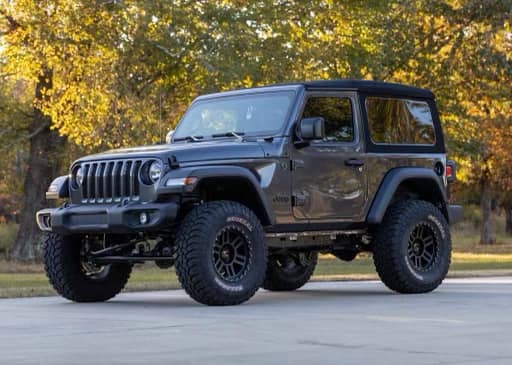
Beginners often forget to check their Jeep’s driveshaft angles and shock length after installing a lift. Even a small lift can sometimes cause vibration or limit suspension movement if you keep stock shocks. Always check your new ride height and make sure nothing is binding or stretched.
Another easy mistake is skipping the post-install alignment. Even a small change in height can affect steering.
Cost Breakdown
A basic two-inch lift kit with coil spacers usually costs $150–$400. If you add new shocks, the cost goes up to about $300–$600. Professional installation can add another $300–$500 if you don’t want to do it yourself.
If you buy used parts, double-check for cracks, rust, or worn bushings. Saving money on parts but needing expensive repairs later is not worth it.

After The Lift: What Changes?
With a two-inch lift, you’ll notice:
- A higher driving position and better visibility.
- Room for 33-inch tires (some fender trimming may be needed).
- Slightly stiffer ride if using spacers with stock shocks.
- Possible change in fuel economy (usually less than 1 mpg).
Most people keep daily driving comfort, but always test your Jeep on a short, safe trip first. Listen for odd sounds and check for rubbing or clearance issues.
Recommended Brands
Some trusted brands for 2-inch lift kits include Teraflex, Rough Country, and Mopar. Read reviews on Jeep forums and check the warranty before buying. For more details on different lift types and brands, you can visit the official ExtremeTerrain guide.

Frequently Asked Questions
Can I Install A 2-inch Lift Kit Myself?
Yes, most people with basic tools and mechanical skills can install a 2-inch lift kit at home. Follow the kit instructions closely and use jack stands for safety.
Will A 2-inch Lift Affect My Warranty?
Some dealers may question warranty claims if they think the lift caused a problem. Check your warranty details and ask your dealership before making changes.
Do I Need To Change My Shocks With A 2-inch Lift?
Stock shocks may work, but longer shocks are often recommended for better ride quality and full suspension movement.
How Big Of Tires Can I Fit After Lifting?
Most Jeep Wranglers can fit up to 33-inch tires with a 2-inch lift. Some models may need minor fender trimming.
Is A Post-lift Alignment Necessary?
Yes, always get a front-end alignment after lifting. This helps avoid uneven tire wear and keeps your Jeep driving straight.
Lifting your Jeep Wrangler two inches is a fun way to make it more capable and unique. With the right tools, patience, and attention to detail, you can do it yourself and enjoy the benefits for years to come.