Lifting a Jeep TJ is a popular way to improve off-road ability, fit larger tires, and give your vehicle a tougher look. But it’s not as simple as just installing bigger springs. There are important steps, choices, and safety tips to consider. With the right approach, you can get great results and avoid common mistakes that cause handling problems or damage. Here’s a practical guide for anyone thinking about lifting their Jeep TJ.
Understanding Your Lift Options
Before you buy parts or tools, decide how much lift you need and what type of lift kit fits your goals.
| Lift Height | Max Tire Size | Common Kit Type |
|---|---|---|
| 1-2 inches | 31″ | Budget boost (spacers) |
| 2-3 inches | 32-33″ | Spring and shock kit |
| 4+ inches | 35″+ | Full suspension kit |
- Body lift: Adds spacers between the body and frame. Cheap, but doesn’t improve ground clearance.
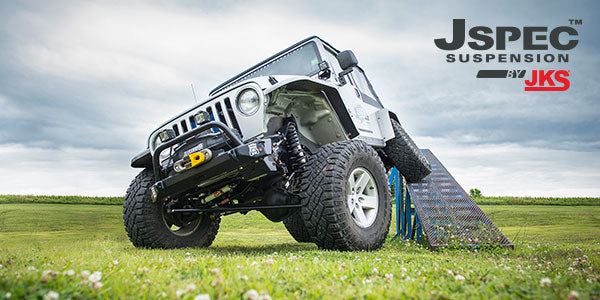
- Suspension lift: Replaces or upgrades springs, shocks, and sometimes control arms. Best for off-road use.
If you want a simple look and slightly bigger tires, a 2-inch budget boost is enough. For serious trails or 33-inch tires, go for a 3-inch suspension lift.
What You Need Before You Start
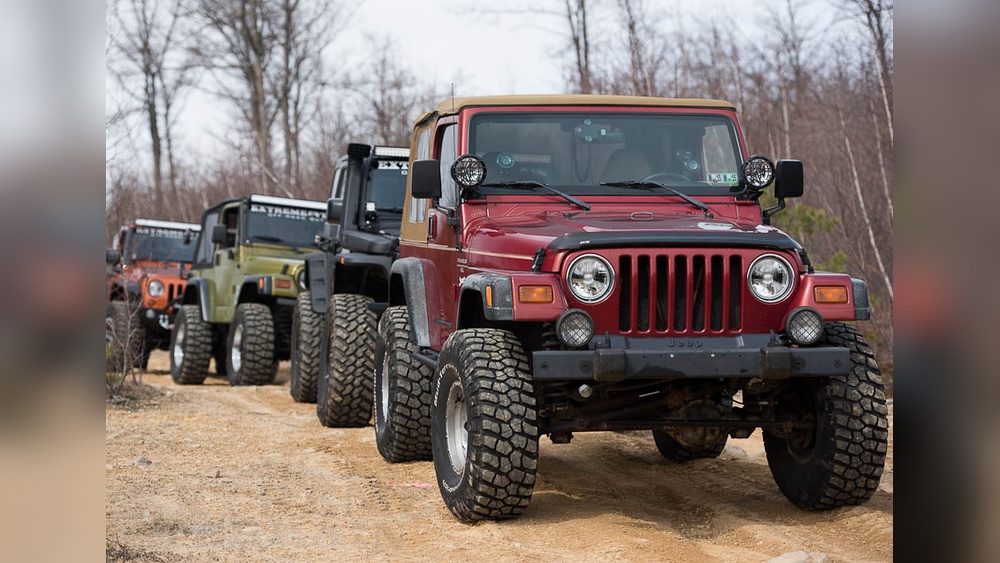
Lifting a Jeep TJ takes tools, parts, and some planning. Here’s a list of what you’ll need:
- Lift kit (with all parts included)
- Jack stands and a strong floor jack
- Socket set and wrenches
- Torque wrench
- Spring compressors (for some kits)
- Penetrating oil (for rusted bolts)
- Wheel chocks for safety
Inspect your Jeep’s frame and suspension for rust or damage before starting. Fix any issues first to avoid problems later.
Step-by-step Guide To Lifting A Jeep Tj
1. Prepare Your Workspace
Park your Jeep on a flat surface. Set the parking brake and block the wheels.
Use a floor jack to lift one axle at a time, then place it securely on jack stands.
2. Remove Wheels And Old Parts
Take off all four wheels. Spray bolts with penetrating oil to make removal easier. Remove the shocks and sway bar links. If your kit includes new springs, compress and remove the old ones carefully.
3. Install New Suspension Parts
Follow your kit’s instructions closely. Most basic lifts involve:
- Placing new coil springs in the front and rear.
- Installing longer shocks.
- Adding new bump stops if needed.
- Connecting new or extended sway bar links.
For lifts over 2.5 inches, you may need longer brake lines or relocation brackets.
4. Address Driveline And Steering
Lifting a TJ more than 2.5 inches can cause driveline vibration or steering issues. Consider these upgrades:
- Transfer case drop: Lowers the transfer case to reduce driveshaft angles.
- Slip yoke eliminator (SYE): Improves driveshaft alignment, especially for 4”+ lifts.
- Adjustable track bars: Center the axles after lifting.
- Steering stabilizer: Helps with larger tires and off-road use.
| Lift Height | Must-Have Upgrades | Optional Upgrades |
|---|---|---|
| 2″ or less | None | Sway bar links |
| 2-3″ | Track bar | Brake lines |
| 4″+ | SYE, driveshaft | Control arms |
5. Reinstall Wheels And Double-check
Put the wheels back on and tighten the lug nuts. Lower your Jeep off the jack stands. Carefully check that all bolts are torqued to factory specs.
6. Get A Professional Alignment
After lifting, the steering and suspension angles change. A professional alignment is essential. It prevents uneven tire wear and keeps your Jeep handling safely.
Common Mistakes To Avoid
- Skipping alignment: Drives badly and ruins tires quickly.
- Ignoring driveline angles: Causes vibrations and damages parts.
- Not checking brake lines: Can rip or stretch, causing brake failure.
- Over-tightening bolts: Damages threads or suspension parts.
- Mixing lift types: Combining body and suspension lifts can look odd and cause handling problems.
Many beginners forget to retorque suspension bolts after a few days of driving. Vibrations can loosen them, so check everything after your first 100 miles.
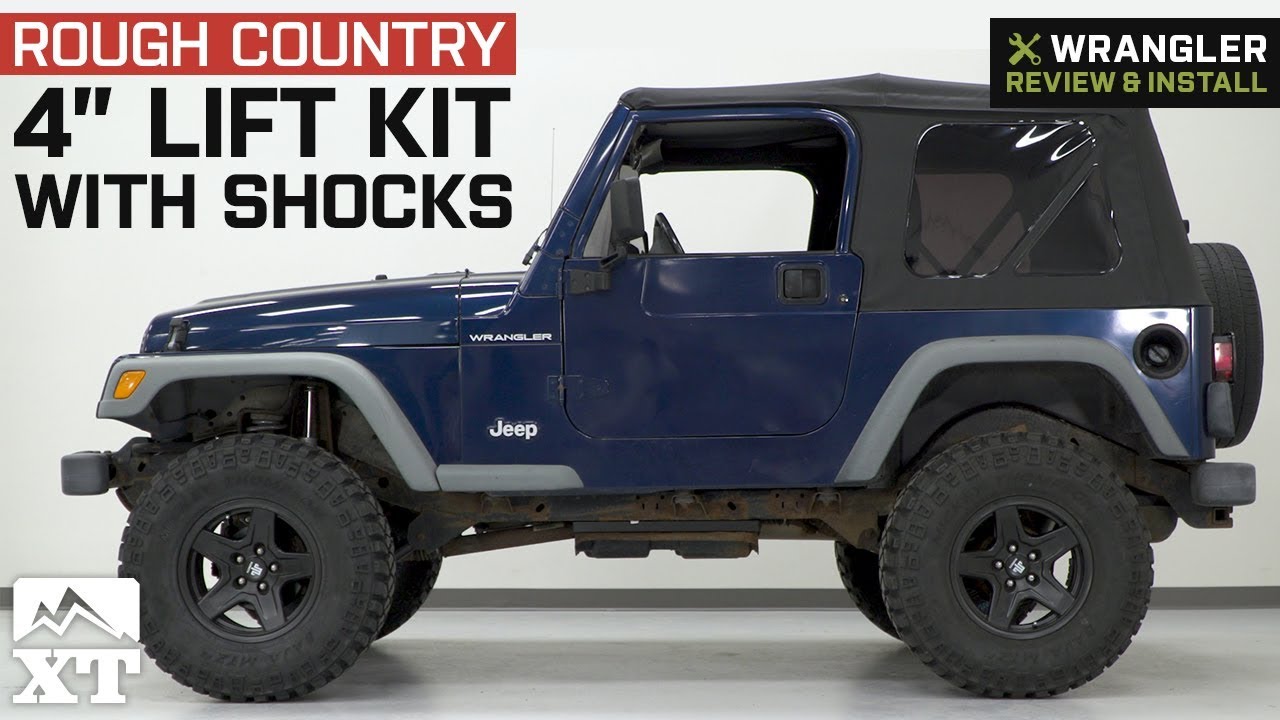
How Lifting Affects Your Jeep
Lifting a TJ changes more than just looks. It raises your center of gravity, which can affect stability on the road. Larger tires often mean slower acceleration and worse gas mileage. Your speedometer may read incorrectly too.
Here’s a quick look at some changes you might notice:
| Change | Effect |
|---|---|
| Center of gravity | More body roll on turns |
| Larger tires | Speedometer error, slower takeoff |
| Lifted suspension | Better off-road clearance, rougher ride |
One thing many people miss: Insurance companies sometimes require you to report modifications. Not doing so can affect claims if you’re in an accident.
Extra Tips For A Smooth Lift
- Take photos before disassembly for reference.
- Label bolts and parts as you remove them.
- Use anti-seize on bolts when reinstalling.
- Test drive slowly at first to listen for odd noises.
If you’re unsure, ask for help from a Jeep forum or a local 4×4 shop. For more technical details, the Jeep Wrangler Wikipedia page has lots of useful background.
Lifting your Jeep TJ is a rewarding project if you’re patient and careful. You’ll enjoy better trail performance and a unique look.
Remember, safety and planning matter as much as the final result.

Frequently Asked Questions
What Size Tires Fit With A 2-inch Lift On A Jeep Tj?
A 2-inch lift allows you to fit up to 31-inch tires comfortably. Some people fit 32-inch tires with minor trimming, but it may cause rubbing during full suspension flex.
Do I Need To Replace Shocks When Lifting My Jeep Tj?
Yes. Stock shocks are too short for most lift kits. Use the shocks that come with your kit or buy ones designed for your lift height.
Will Lifting My Jeep Tj Affect Daily Driving?
A lift will change how your Jeep handles. Expect more body roll and a firmer ride. Professional alignment and good tires help keep daily driving comfortable.
Is A Body Lift Better Than A Suspension Lift?
A body lift is cheaper but only raises the body, not the frame. A suspension lift improves ground clearance and off-road ability. Choose based on your needs and budget.
Can I Install A Lift Kit Myself Or Do I Need A Shop?
If you have basic tools and mechanical skill, you can install a basic lift at home. For advanced kits or if you’re unsure, a professional shop is safer and faster.