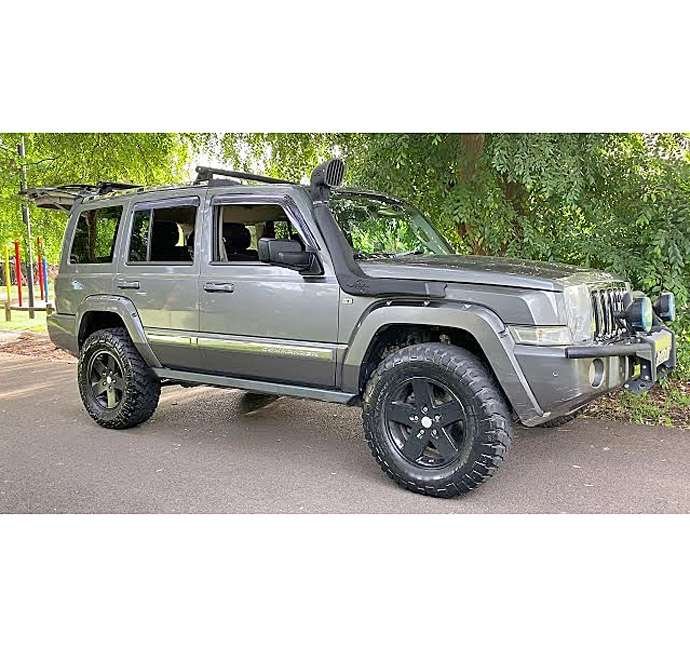
Lifting a Jeep Commander is a popular upgrade for those who want better off-road performance, a more aggressive look, or room for larger tires.
Whether you’re new to Jeep modifications or have some experience, understanding the steps and choices is key for a successful lift.
This article breaks down the process clearly, highlights important details, and shares insights so you can decide confidently if lifting your Jeep Commander is right for you.
Why Lift A Jeep Commander?
Owners lift their Jeep Commander for a few main reasons. First, increased ground clearance helps tackle rough trails, rocks, or snow. Second, a lift lets you fit larger tires for extra grip and a bold look. Third, it can improve the vehicle’s stance and make it stand out on the road.
But lifting isn’t just about looks. It changes how your Jeep handles, affects ride comfort, and may impact long-term reliability.
Knowing these trade-offs helps you avoid surprises down the road.
Types Of Lift Kits For Jeep Commander
Choosing the right lift kit is the most important decision. There are three main types:
| Lift Type | Lift Height | Complexity | Cost (Approx.) |
|---|---|---|---|
| Spacer (Leveling) Kit | 1-2 inches | Low | $100-$300 |
| Suspension Lift Kit | 2-4 inches | Medium | $500-$2,000 |
| Body Lift Kit | 1-3 inches | Medium | $200-$800 |
Spacer kits are the easiest to install and are perfect if you want a mild lift for looks and slightly bigger tires. Suspension lifts replace springs and shocks, offering the most performance but are more complex. Body lifts raise the body from the frame—less common for Commanders but still an option.
Planning Your Jeep Commander Lift
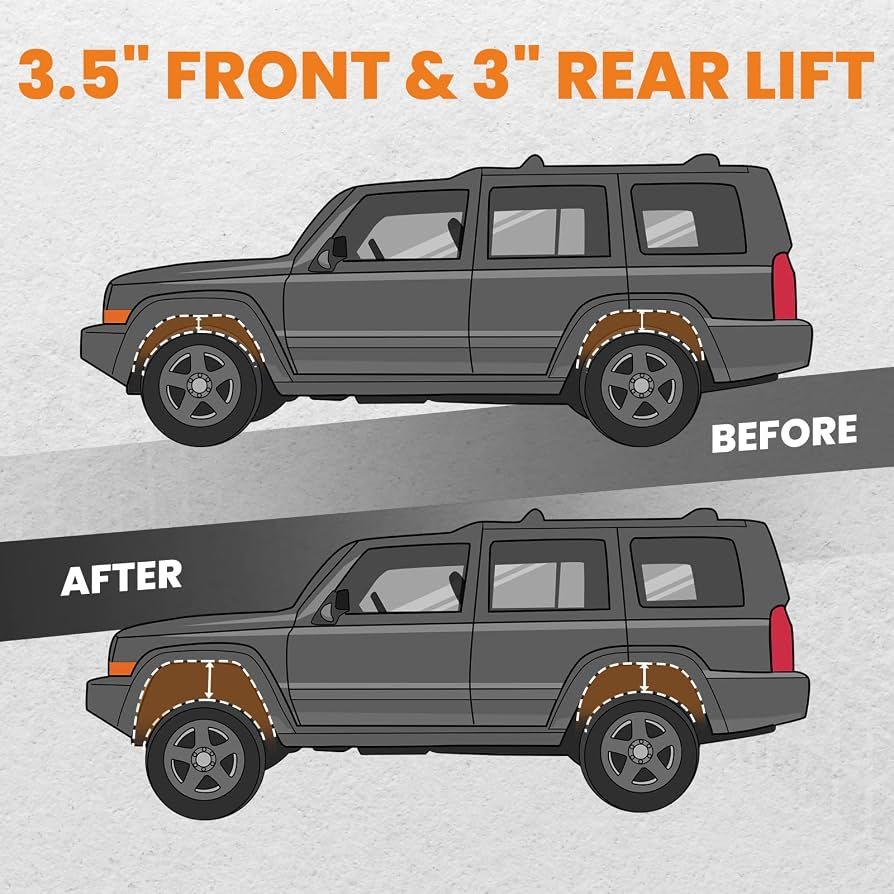
Lifting a vehicle is more than just installing new parts. Here are key things to consider:
- Intended Use: Are you going off-road often or just want a tougher look?
- Tire Size: Make sure the lift supports the tire size you want.
- Budget: Costs include the kit, installation, alignment, and possibly new parts.
- Legal Limits: Some states have height restrictions for lifted vehicles.
A common mistake is forgetting about alignment and driveline angles. Both change after a lift and need correcting, or you risk poor handling and fast tire wear.
Step-by-step Guide: How To Lift A Jeep Commander
If you’re handy with tools, you can install a basic lift at home. Here’s how:
1. Gather Tools And Parts
You’ll need:
- Lift kit (check compatibility with your Jeep’s year/model)
- Jack stands and floor jack
- Socket set and wrenches
- Spring compressor (for suspension lifts)
- Torque wrench
2. Prepare The Jeep
- Park on a flat surface and set the parking brake.
- Loosen lug nuts before lifting.
- Safely raise the Jeep and secure it on jack stands.
3. Remove Wheels
Take off all four wheels to access the suspension components.
4. Install The Lift Kit
The steps depend on your kit:
- For spacer kits: Place spacers above or below the coil springs.
- For suspension lifts: Replace shocks, springs, and sometimes control arms.
- For body lifts: Insert spacers between the body and frame.
Follow the manufacturer’s instructions closely. A common beginner mistake is not tightening bolts to the correct torque, which can cause noises or parts to loosen.
5. Reinstall Wheels And Lower The Jeep
- Put wheels back on and hand-tighten lug nuts.
- Lower the Jeep carefully and then fully tighten the lugs.
6. Alignment And Final Checks
Get a professional wheel alignment immediately after lifting. Check for:
- Brake line stretch
- Unusual noises
- Steering response
Drive slowly at first to listen for problems.
What To Expect After Lifting
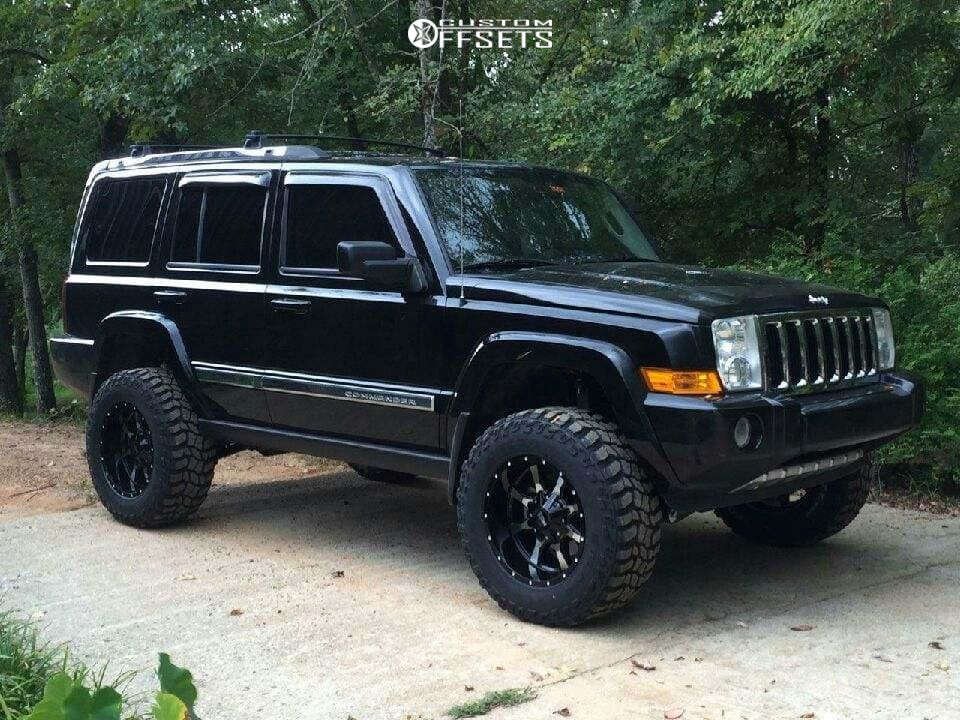
Lifting your Jeep Commander brings both benefits and changes. Here’s a quick comparison of before and after:
| Feature | Stock | Lifted |
|---|---|---|
| Ground Clearance | 8.6 in (standard) | 10-12 in (2-4” lift with larger tires) |
| Ride Quality | Smooth | Firmer, sometimes bouncy |
| Handling | Stable | More body roll |
| Fuel Economy | 16-20 mpg | 10-15 mpg (with larger tires) |
Non-obvious insight: After lifting, your center of gravity is higher. This means you need to slow down more for corners to avoid tipping. Also, larger tires can affect speedometer accuracy, so recalibration might be needed.
Practical Tips For A Successful Lift
- Check local laws about modified vehicles before starting.
- Inspect all suspension parts for wear—replace bushings or ball joints if needed.
- If you’re lifting over 2 inches, consider extended brake lines and driveshaft spacers.
- Don’t skip alignment, even for small lifts.
- Keep all original parts—you may need them if you sell the Jeep or want to return it to stock.
Many Jeep owners regret not budgeting for unexpected costs, such as new shocks or a steering stabilizer. Plan for a little extra.
Frequently Asked Questions
How High Can I Safely Lift A Jeep Commander?
A 2-2. 5 inch lift is usually safe without major modifications.
Lifting higher often requires more changes to suspension and driveline parts.
Will A Lift Kit Void My Jeep’s Warranty?
Most basic lifts won’t void the whole warranty, but related parts (like suspension) may not be covered. Check with your dealer before lifting.
Can I Install A Lift Kit Myself?
Yes, if you have basic mechanical skills and tools. Suspension lifts are more complex, so some people prefer professional installation.
What Size Tires Fit With A 2-inch Lift?
With a 2-inch lift, most Jeep Commanders can fit 265/70R17 or 32-inch tires. Always check for rubbing during turns.
Where Can I Find More Technical Details On Lifting Jeeps?
The Jeep Forum is a great place for guides, photos, and real owner experiences.
Lifting a Jeep Commander can transform your driving experience and open up new adventures. With the right planning and care, you’ll enjoy both the look and capability of your modified Jeep for years to come.