Getting stranded with a dead battery in your Jeep is never fun—especially if you’re out in the wild or just trying to get home after a long day. The good news: jumpstarting a Jeep is a skill anyone can learn. This guide will show you exactly how to do it safely and quickly, even if you have little car experience. You’ll also learn tips to avoid common mistakes and what to do if your Jeep still won’t start.
What You Need Before Jumpstarting
Before you begin, make sure you have these essential items:
- A set of jumper cables (at least 10 feet long, heavy gauge)
- Another vehicle with a fully charged battery (12-volt, same as your Jeep)
- Safety gear: Gloves and eye protection (recommended)
Check that both vehicles are in park (automatic) or neutral (manual), and the parking brakes are set. Turn off all electronics like headlights, radios, and AC.
Jeep Battery Specs
Jeep models often use different battery types. Here’s a quick comparison of popular models:
| Jeep Model | Battery Group Size | Average CCA (Cold Cranking Amps) |
|---|---|---|
| Wrangler | Group 94R | 650-800 |
| Cherokee | Group 48 | 600-730 |
| Grand Cherokee | Group 94R | 700-850 |
Most modern Jeeps require a strong battery for electronic systems, so a weak jump may not work if the donor car’s battery is too small.
Step-by-step: How To Jumpstart A Jeep
Follow these steps to safely jumpstart your Jeep:
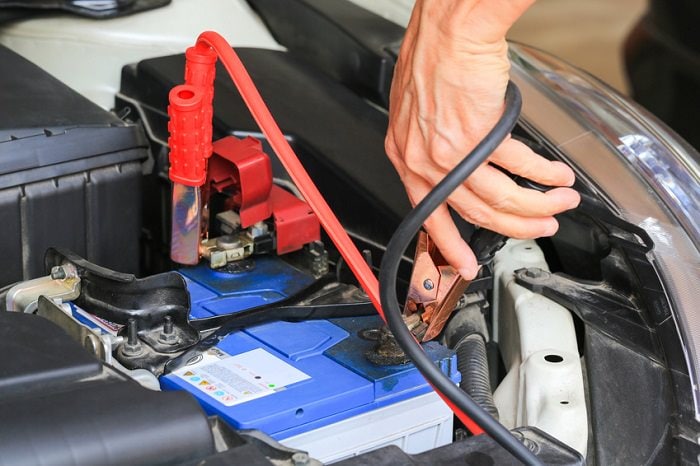
- Position the vehicles: Park the working car close to your Jeep, but don’t let them touch. Open both hoods and locate the batteries.
- Identify battery terminals: Red is positive (+), black is negative (−).
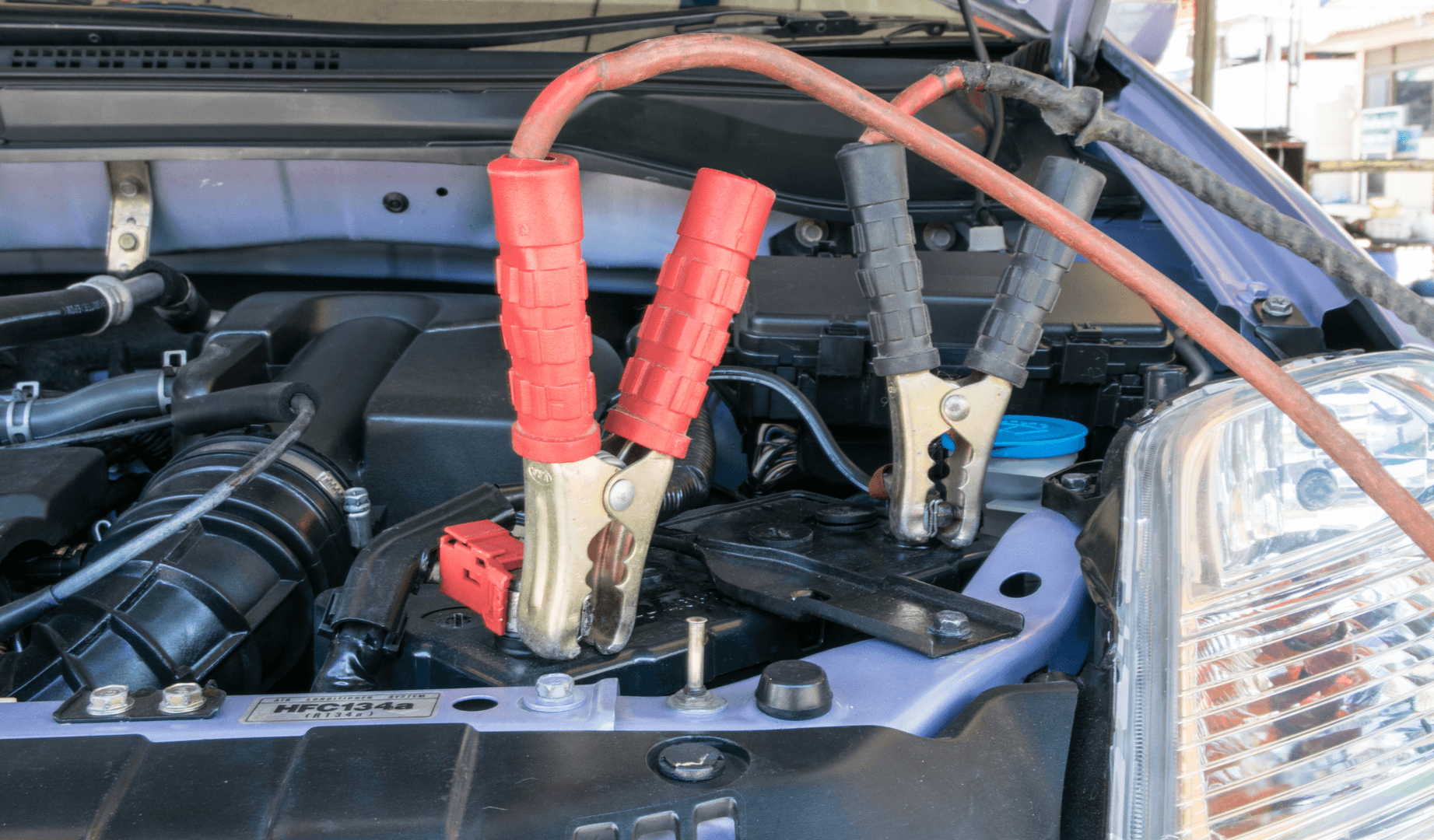
- Attach jumper cables:
- Connect one red clamp to the dead Jeep’s positive (+) terminal.
- Attach the other red clamp to the good battery’s positive (+).
- Connect one black clamp to the good battery’s negative (−).
- Attach the final black clamp to an unpainted metal surface (like a bolt or bracket) on your Jeep, away from the battery. This helps prevent sparks.
- Start the donor vehicle: Let it run for 2–3 minutes.
- Try starting your Jeep: If it doesn’t start, wait another few minutes and try again.
- Once started: Remove cables in reverse order—black from Jeep, black from donor, red from donor, red from Jeep.
Don’t let the clamps touch each other or any metal part during the process.
Quick Comparison: Gas Vs. Diesel Jeeps
Some Jeeps, especially diesels, need more power to start. Here’s a comparison:
| Type | Minimum CCA Needed | Special Steps |
|---|---|---|
| Gasoline | 600+ | Standard jump works |
| Diesel | 800+ | May need two batteries or heavy-duty cables |
Diesel Jeep owners should use thicker cables and a strong donor car. If unsure, check your owner’s manual.
Common Mistakes And Safety Tips
Jumpstarting is easy, but mistakes can damage your Jeep or cause injury. Here are key things to avoid:
- Reversing the cables: This can damage electronics instantly.
- Letting clamps touch: Avoid sparks and possible short circuits.
- Jumping a frozen battery: Never try to jump a battery if it might be frozen—it can explode.
- Using damaged cables: Old or frayed cables may not work and are unsafe.
Always check for corrosion on the battery terminals. If you see white or greenish powder, clean it with a wire brush before attaching the clamps.
What To Do If Your Jeep Still Won’t Start
Sometimes, a jumpstart doesn’t solve the problem. Here’s what to check next:
- Battery age: If your battery is over 3-5 years old, it may not hold a charge.
- Check connections: Make sure all terminals are tight and clean.
- Look for blown fuses: A blown fuse can stop your Jeep from starting even with a good battery.
- Starter or alternator issues: If you hear a clicking sound, it could be the starter. If lights fade after starting, the alternator might be bad.
If your Jeep clicks but won’t start, or loses power soon after starting, you probably need a new battery or a visit to a mechanic.
After Jumpstarting: What Now?
Let your Jeep run for at least 20-30 minutes to recharge the battery. Drive on highways or at higher speeds if possible, since idling charges slower. Turn off any unnecessary electronics.
If your Jeep dies again soon, the battery is likely bad, or you have an alternator problem. Don’t keep jumpstarting repeatedly this can harm your vehicle’s electrical system.
How To Avoid Needing A Jumpstart
A bit of prevention saves a lot of trouble. Here’s how to keep your Jeep’s battery healthy:
- Replace your battery every 3-5 years
- Check and clean terminals every 6 months
- Avoid leaving lights or electronics on when the engine is off
- Install a battery maintainer if you don’t drive often
Many modern Jeeps have warning lights for low battery don’t ignore them.

When To Call For Help
If you’re not confident, or if your Jeep still won’t start after a jump, it’s safer to call roadside assistance. Some newer Jeeps have complex electrical systems that can be damaged by improper jumpstarting. Some insurance plans include free towing or battery service.
For a deeper dive into jumpstarting safety, you can check the AAA guide for more.
Frequently Asked Questions
How Long Should I Leave The Jumper Cables Connected?
Leave them connected for at least 2-3 minutes after starting the donor car. If the Jeep doesn’t start, wait up to 10 minutes before trying again.
Can I Jumpstart A Jeep With A Portable Jump Starter?
Yes, as long as the jump starter has enough power (check CCA rating). Always follow the device’s instructions for best results.
What If My Jeep Starts But Dies Right After?
This usually means the alternator isn’t charging the battery. You’ll need to get your Jeep checked by a mechanic soon.
Is It Safe To Jumpstart A Jeep With Electronic Start/stop Systems?
Most Jeeps with start/stop systems can be jumpstarted, but check your owner’s manual for any special steps. Some require connecting to a specific terminal.
Can Jumpstarting Harm My Jeep’s Electronics?
If you follow the correct order and use good cables, the risk is low. Incorrect connections or cheap cables can cause damage, especially in newer Jeeps.
Getting your Jeep back on the road with a jumpstart is simple if you follow these steps. Take your time, use the right tools, and you’ll be driving again in minutes.