Jump starting a Jeep is a skill every driver should learn. Whether your battery died because you left the lights on, or the cold drained the charge, knowing how to safely jump start your Jeep will save you time and stress.
Many Jeep owners find themselves in remote places where help is far away, so it’s important to be prepared. This guide will show you the correct way to jump start any Jeep model, explain what tools you need, and share common mistakes to avoid.
What You Need Before Jump Starting
Before you start, gather the right tools and check your surroundings. Jump starting is simple, but only if you have what’s needed.
- Jumper cables: At least 10 feet long, heavy-duty, and color-coded (red for positive, black for negative).
- Another vehicle with a working battery: Preferably similar voltage (most Jeeps use 12V).
- Safety gear: Safety glasses and gloves for extra protection.
- Owner’s manual: Sometimes, Jeeps have unique battery locations or jump points.
Check that both vehicles are in park (automatic) or neutral (manual), with the parking brake on. Make sure both ignitions are off before connecting anything.
Step-by-step Guide: How To Jump Start Your Jeep
1. Position The Vehicles
Park the working car so the batteries are close, but make sure they don’t touch. Leave enough space for you to move safely.
2. Open The Hoods
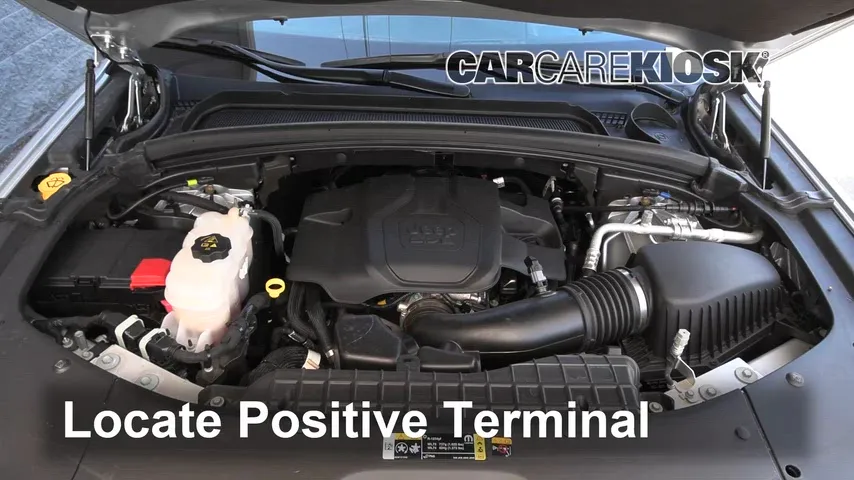
Find the battery in both vehicles. Some newer Jeeps, like the Wrangler JL, have the battery under a cover or near the firewall.
3. Connect The Jumper Cables
Follow this exact order to avoid sparks or damage:
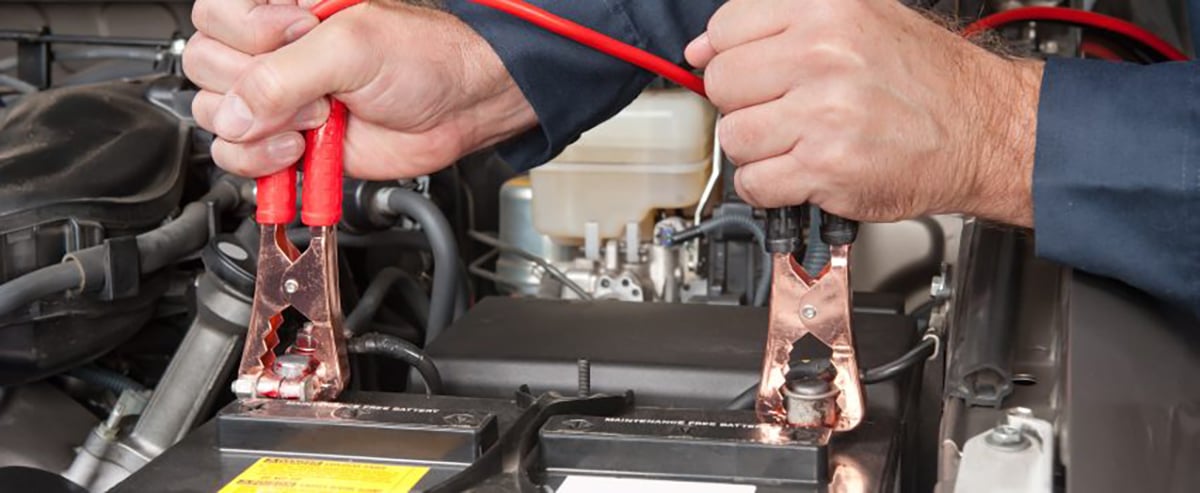
- Attach one end of the red (positive) cable to the dead Jeep’s positive (+) terminal.
- Attach the other end of the red cable to the working battery’s positive terminal.
- Connect the black (negative) cable to the working battery’s negative (–) terminal.
- Attach the other end of the black cable to a bare metal part on the dead Jeep (not the battery). A bolt or bracket works well.
- Start the Working Vehicle
Let it run for 2-3 minutes. This sends power to the dead battery.
5. Start The Jeep
Try starting your Jeep. If it doesn’t start, wait another minute and try again.
Never crank for more than 10 seconds at a time.
6. Remove The Cables Safely
Remove cables in reverse order:
- Black cable from the metal ground on the Jeep.
- Black cable from the working car’s negative terminal.
- Red cable from the working car’s positive terminal.
- Red cable from the Jeep’s positive terminal.
- Let the Jeep Run
Keep your Jeep running for at least 20 minutes or drive it around. This helps recharge the battery.
Jump starting is safe if you follow these steps. Never let the clamps touch each other or any metal surface during the process.

Key Differences: Jump Starting Jeep Vs. Other Vehicles
Jeeps have some unique features that may affect the jump start process. For example, some models have the battery under the passenger seat or behind covers. Jeep Wranglers often have aftermarket accessories like winches or extra lights connected to the battery.
Here’s a quick comparison of battery locations in popular Jeep models:
| Jeep Model | Battery Location | Special Notes |
|---|---|---|
| Wrangler JL | Engine Bay (with cover) | Remove cover to access terminals |
| Cherokee | Engine Bay | Standard location |
| Grand Cherokee | Engine Bay | Check manual for jump points |
| Compass | Engine Bay | Easy access |
Some Jeeps also have a battery management system that could delay the vehicle starting after a jump. Always check your owner’s manual for any extra steps.
Common Mistakes And How To Avoid Them
Even experienced drivers sometimes make mistakes. Here are errors to avoid:
- Reversing cable order: Connecting cables in the wrong order can cause sparks, damage electronics, or even explode the battery.
- Skipping the ground connection: Attaching the black cable to the dead battery increases explosion risk. Always use bare metal on the engine or chassis.
- Not checking for corrosion: Dirty or corroded terminals block electricity flow. Clean them with a wire brush if needed.
- Jumping a cracked or leaking battery: If you see fluid or the battery case is damaged, do NOT attempt to jump start. Replace it instead.
A non-obvious tip: If your Jeep has a dual battery setup (common with off-road builds), always connect to the main starting battery, not the auxiliary one.
When Jump Starting Doesn’t Work
Sometimes a jump start won’t fix the problem. If your Jeep still doesn’t start:
- Check for loose cables: Make sure clamps are tight.
- Look for blown fuses: The starter or fuel pump fuse could be bad.
- Listen for clicking: A single click may mean a bad starter. Rapid clicking is usually a dead battery.
- Test the battery: Many auto parts stores offer free battery testing.
Here’s a quick reference for what different symptoms may mean:
| Symptom | Possible Cause | Solution |
|---|---|---|
| No sound, no lights | Completely dead battery | Replace battery |
| Single click | Starter issue | Check starter relay |
| Rapid clicking | Weak battery | Charge or replace battery |
| Cranks but won’t start | Fuel or ignition problem | Seek mechanic |
If you’re stuck in a remote area, having a portable jump starter can be a lifesaver. These are small, battery-powered devices made for emergencies.
Tips For Keeping Your Jeep Battery Healthy
To avoid needing a jump start, take care of your Jeep’s battery:
- Drive regularly: Short trips or long periods without driving can drain the battery.
- Turn off lights and accessories: Double-check before leaving your Jeep.
- Check battery age: Most batteries last 3-5 years.
- Clean terminals: Corrosion builds up faster in humid or salty environments.
- Inspect charging system: Have your alternator tested yearly.
A strong battery ensures your Jeep is ready for any adventure.

Frequently Asked Questions
How Long Should I Leave The Jumper Cables Connected?
Leave the cables connected for at least 2-3 minutes after starting the working vehicle. This helps send enough charge to the dead battery before you try to start your Jeep.
Can I Use A Portable Jump Starter On My Jeep?
Yes, a portable jump starter is safe for most Jeep models. Make sure it matches your battery’s voltage (usually 12V) and follow the device instructions closely.
Is It Safe To Jump Start A Jeep In The Rain?
It’s generally safe if you are careful. Avoid standing in water, and keep the cable clamps dry.
Water can make surfaces slippery, so work slowly.
What If My Jeep Has A Start/stop System?
Jeeps with start/stop systems may have special jump points under the hood. Always check the owner’s manual for the correct connection spots.
Where Can I Learn More About Car Batteries?
You can find detailed battery care guides at Consumer Reports, which tests and reviews automotive products.
Knowing how to jump start your Jeep means you’ll never be left stranded. With the right tools, a little knowledge, and good safety habits, you can get back on the road quickly and safely.