Jump-starting a Jeep Compass can be stressful, especially if you’re not familiar with the process. A dead battery might leave you stranded at work, in a parking lot, or even on a camping trip. The good news: you don’t need to be a mechanic to safely jump-start your Compass. With a few simple tools and the right method, you can get back on the road in less than 20 minutes.
In this guide, I’ll walk you through each step. You’ll also learn key safety tips, what makes the Jeep Compass battery unique, and how to avoid common mistakes.
Whether you drive an older Compass or a newer model with extra electronics, these instructions will help you do it right the first time.
Understanding Your Jeep Compass Battery
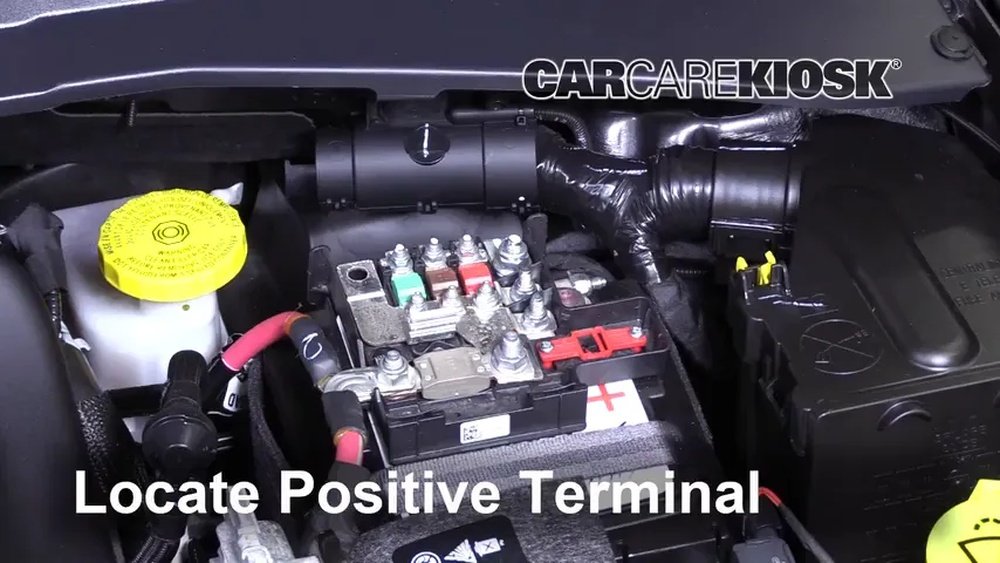
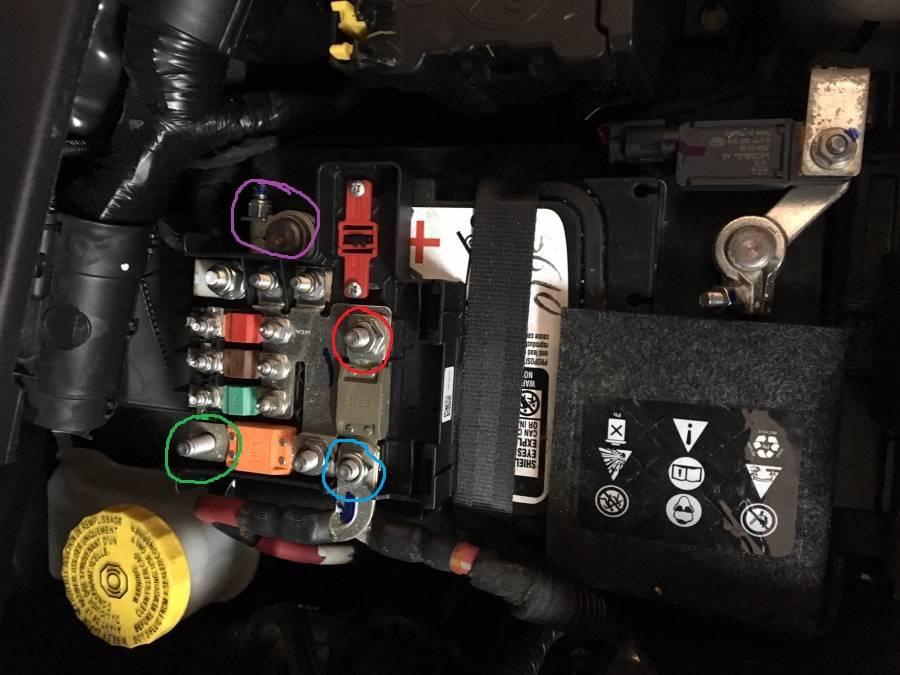
The Jeep Compass uses a 12-volt battery located under the hood. Newer models often have Start-Stop technology. That means two things: you may find two batteries under the hood, and the main battery sometimes hides beneath a plastic cover.
Here’s a quick comparison of battery locations and types across recent Compass model years:
| Model Year | Battery Location | Start-Stop System |
|---|---|---|
| 2017-2019 | Engine bay (front right) | Optional |
| 2020-2024 | Engine bay (under cover) | Standard |
If your Compass has Start-Stop, always connect the jumper cables to the main battery, not the auxiliary one. Not sure which is which? The larger battery with thicker cables is usually the main one.
Tools You Need Before Jump-starting
You’ll need a few simple tools:
- A set of jumper cables (at least 10 gauge, 10 feet long)
- A running vehicle with a 12V battery (the “donor car”)
- Safety gloves and glasses (recommended)
- Owner’s manual (for Compass-specific info)
Avoid using a battery that’s frozen, cracked, or leaking. Always check for corrosion on the battery terminals.
If you see white powder or blue-green buildup, wipe it off with a rag before attaching cables.

Step-by-step: How To Jump Start A Jeep Compass
Follow these steps exactly. Skipping steps can damage your Compass’ electronics or cause injury.
- Position both vehicles so their batteries are close, but keep them from touching.
- Turn off both cars and set the parking brakes.
- Open the hoods and locate the Compass’ battery terminals (marked + for positive and – for negative).
- Connect the red (positive) jumper cable to the Compass’ positive terminal.
- Attach the other end of the red cable to the donor car’s positive terminal.
- Connect the black (negative) jumper cable to the donor car’s negative terminal.
- Attach the other end of the black cable to a solid, unpainted metal part on the Compass’ engine (NOT the negative battery terminal). This reduces the risk of sparks near the battery.
- Double-check all connections. The cables should not touch moving parts.
- Start the donor vehicle and let it run for two to three minutes.
- Try to start your Jeep Compass. If it doesn’t start, wait another two minutes and try again.
- Once the Compass starts, leave both vehicles running for a few minutes.
- Remove the cables in reverse order: First, disconnect the black cable from the Compass, then from the donor car, followed by the red cable from the donor, and finally from the Compass.
Here’s a quick reference table to clarify the sequence:
| Step | Jumper Cable Connection | Vehicle |
|---|---|---|
| 1 | Red (+) | Dead battery (Compass) |
| 2 | Red (+) | Donor battery |
| 3 | Black (-) | Donor battery |
| 4 | Black (-) | Engine block (Compass) |
Important Safety Tips
Jump-starting is safe if you follow the right steps, but it can be dangerous if you rush or skip details.
- Never let cable clamps touch each other while connected.
- Don’t lean over the battery while making connections.
- If you see, hear, or smell anything unusual (like a hiss or rotten egg odor), stop immediately.
- If the Compass doesn’t start after three tries, call for roadside help. Forcing it can damage the starter or electronics.
A less obvious tip: After jump-starting, drive your Compass for at least 20 minutes. This helps recharge the battery. Short drives won’t give the alternator enough time to recover the lost charge.

Mistakes To Avoid
Many people make the same mistakes when jump-starting, especially if they’re in a hurry. Here are the most common ones:
- Connecting cables to the wrong terminals. Reversing polarity can fry the electrical system.
- Using a weak or mismatched donor battery. The donor should be similar in size or larger.
- Skipping safety checks. Don’t ignore corrosion, leaks, or damaged cables.
- Disconnecting cables too soon. Wait until the Compass is running smoothly for a few minutes.
- Jump-starting a frozen battery. If the temperature is below freezing and the battery looks swollen or icy, don’t jump it—replace it instead.
What To Do After Jump-starting
After your Compass is running again, pay attention to how it behaves. If it starts smoothly and runs well, you probably just left a light on or the car sat too long.
But if the battery dies again soon, it could be a sign of a deeper problem:
- Old battery: Most Jeep Compass batteries last 3-5 years.
- Bad alternator: If the Compass stalls or the lights dim while driving, the alternator might not be charging.
- Parasitic drain: Sometimes electronics keep drawing power even when off.
A quick way to check battery health is with a voltmeter. With the car off, a healthy battery should read 12.4–12.7 volts.
| Battery Voltage (Engine Off) | Status |
|---|---|
| 12.6V – 12.7V | Fully charged |
| 12.4V – 12.5V | Normal |
| Below 12.2V | Needs charging/replacement |
If you’re unsure, visit a trusted mechanic or a local Jeep dealership.
Frequently Asked Questions
Why Connect The Negative Cable To The Engine Block, Not The Battery?
Connecting the negative cable to the engine block helps prevent sparks near the battery. Batteries can produce explosive gases, so this reduces the risk of fire.
Can I Jump-start A Jeep Compass With A Portable Jump Starter?
Yes, you can use a portable jump starter. Connect it just like you would with jumper cables. Always check that the device is fully charged and rated for your Compass’ engine size.
How Often Should I Replace My Jeep Compass Battery?
Most batteries last 3 to 5 years. Hot climates or frequent short trips may shorten battery life. If you notice slow starts or dimming lights, consider testing or replacing the battery.
What If My Compass Won’t Start After Jump-starting?
If it still won’t start, check the cable connections, battery terminals, and donor battery strength. If everything looks fine, you may need a new battery or professional help.
Are All Jeep Compass Models Jump-started The Same Way?
The basic process is the same, but Start-Stop models often have two batteries. Always connect to the main battery for jump-starting. Check your owner’s manual for any special instructions.
For more details about car batteries and jump-starting, check the official AAA guide.
Getting stuck with a dead battery is never fun, but with the right knowledge and tools, you can quickly get your Jeep Compass back on the road. Just stay calm, follow these steps, and remember—safety always comes first.