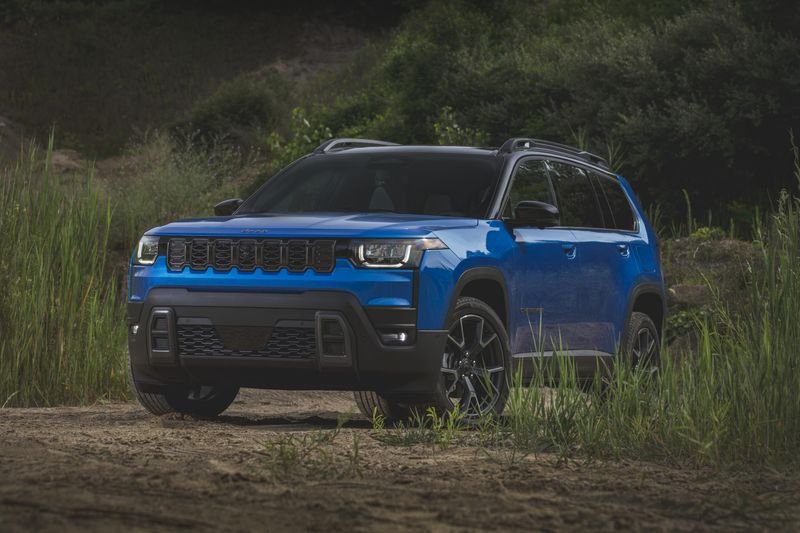
Jump starting a car can feel intimidating, especially with newer vehicles like the 2020 Jeep Grand Cherokee. But when your battery dies, knowing how to safely jump start your SUV can get you back on the road in minutes. This guide walks you through the process step-by-step, highlights what makes the Grand Cherokee unique, and gives you expert tips to prevent damage.
Why Jump Starting Is Different For Modern Vehicles
The 2020 Jeep Grand Cherokee has advanced electronics and a powerful engine. Unlike older cars, it relies on sensitive computer systems. Connecting cables incorrectly can damage the battery, sensors, or even the main computer.
Many drivers don’t realize that a wrong move can erase key settings or trigger warning lights. That’s why it’s important to follow the right method and use the proper equipment.
What You’ll Need
Before you begin, get the following items ready:
- Jumper cables (heavy-duty, with clean clamps)
- A working vehicle with a 12-volt battery
- Safety gloves and glasses (optional but recommended)
- Owner’s manual (for reference)
Never use a jump box or portable starter on a totally frozen battery or if you see leaking fluid.

Safety First
Always put safety above speed. Here are three golden rules:
- Check for damage. Don’t jump start if the battery is cracked, leaking, or swollen.
- Turn off both vehicles and remove keys from the ignitions.
- Avoid sparks. Never smoke or use open flames near the battery.
Step-by-step: How To Jump Start A 2020 Jeep Grand Cherokee
Follow these steps to safely boost your Jeep:
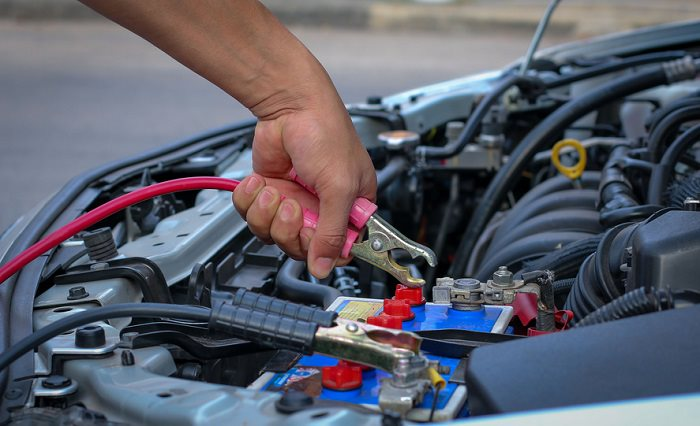
- Park both vehicles close together, but not touching. The batteries should be within reach of the jumper cables.
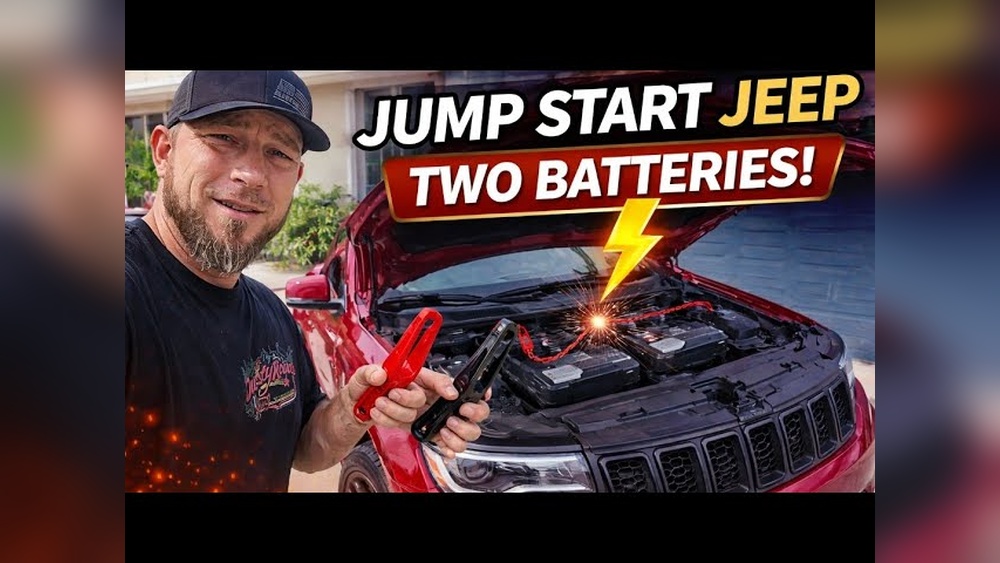
- Open the hoods and locate the battery terminals. In the Grand Cherokee, the battery is under the passenger seat. Use the jump start posts in the engine bay—these are marked with (+) for positive and (–) for negative.
- Connect the cables in order:
- Red clamp to the dead battery’s positive (+) post.
- Other red clamp to the good battery’s positive (+) post.
- Black clamp to the good battery’s negative (–) post.
- Final black clamp to a bare metal spot on the dead car (not the battery)—a bolt or bracket in the engine bay.
- Start the working vehicle and let it run for 2-3 minutes.
- Try to start the Jeep. If it doesn’t start, wait a few more minutes before trying again.
- Remove the cables in reverse order:
- Black clamp from the metal spot.
- Black clamp from the good battery.
- Red clamp from the good battery.
- Red clamp from the dead battery.
- Let your Jeep run for at least 20 minutes to recharge the battery.
Here’s a quick comparison of the jump start points and battery locations for different Grand Cherokee model years:
| Model Year | Battery Location | Jump Start Posts |
|---|---|---|
| 2017-2020 | Under passenger seat | Engine bay |
| 2011-2016 | Under hood | Engine bay |
| 2005-2010 | Engine bay | Engine bay |
Common Mistakes To Avoid
Even experienced drivers make errors when jump starting. Here are mistakes to watch out for:
- Crossing the cables: Mixing up positive and negative can fry electronics.
- Attaching both black clamps to batteries: The last black clamp should always be on a metal part, not the battery.
- Not waiting long enough: Trying to start too soon can damage the starter.
- Disconnecting too early: Let the Jeep run after starting to fully recharge.
When Not To Jump Start
Some situations require a tow or professional help instead:
- If the battery case is swollen or cracked
- If you hear clicking or grinding but the engine won’t turn over after several tries
- If the cables or jump posts are corroded or broken
- If you see smoke or sparks from the battery
In these cases, call roadside assistance or a mechanic.
How To Prevent Future Battery Problems
Jump starting should be a last resort. Keep your Jeep’s battery healthy with these habits:
- Drive regularly: Short trips don’t fully charge the battery.
- Check for corrosion: Clean the jump posts and battery terminals twice a year.
- Turn off accessories: Don’t leave lights, radios, or chargers plugged in when the engine is off.
- Replace batteries every 3-5 years, or if you notice slow starts.
Here’s a simple table to compare battery life and replacement costs for SUVs:
| Vehicle | Average Battery Life | Replacement Cost (USD) |
|---|---|---|
| Jeep Grand Cherokee | 4 years | $150-$250 |
| Ford Explorer | 4 years | $140-$230 |
| Toyota Highlander | 5 years | $160-$240 |
Two Extra Tips Most People Miss
- Use a memory saver device when changing or jump starting batteries. This tool keeps radio presets and seat positions.
- Check the alternator if your Jeep keeps losing power. Sometimes, the battery is fine, but the alternator isn’t charging it.

Final Thoughts
Learning how to jump start a 2020 Jeep Grand Cherokee is a valuable skill. It’s not just about getting moving—it’s about doing it safely, without risking your vehicle’s electronics. Always double-check the cable order and use the jump posts, not the battery itself. With these steps, you’ll avoid costly mistakes and keep your SUV reliable. If in doubt, consult the owner’s manual or check Jeep’s official resources for more information.
Frequently Asked Questions
What Size Jumper Cables Do I Need For A 2020 Jeep Grand Cherokee?
Use jumper cables that are at least 4-gauge thick and 12 feet long. Thicker cables carry power better and work for large engines.
Is It Safe To Jump Start A Jeep With A Dead Battery?
Yes, as long as you use the engine bay jump posts and follow the proper order. Avoid jump starting if the battery is damaged or leaking.
Can I Use A Jump Starter Pack Instead Of Another Car?
Yes, but make sure the jump starter pack is rated for SUVs and has enough peak amps (at least 600). Always use the designated posts, not the battery terminals.
Why Is The Battery Under The Passenger Seat?
This design helps with weight distribution and keeps the battery away from engine heat, making it last longer. Use the jump posts under the hood for safety.
What Do I Do If My Jeep Still Won’t Start After Jump Starting?
If your Jeep doesn’t start, the problem may be with the starter, alternator, or wiring. Contact a mechanic for further diagnosis.