When your Jeep Renegade will not start due to a dead battery, it can ruin your day. But jump-starting this SUV is simple if you follow the right steps. Many drivers hesitate, worrying they might damage their vehicle. In reality, with the correct technique and safety measures, you can be back on the road quickly—even if you have never jumped a car before.
This guide explains how to jump a Jeep Renegade safely. It covers what tools you need, step-by-step instructions, common mistakes, and tips to protect your vehicle’s electronics. Whether you are at home or stranded in a parking lot, you will know exactly what to do.
What You Need Before Jump-starting
Before you begin, gather the right equipment. Using the correct tools will keep you safe and prevent damage to the battery or electronics.
You need:
- Jumper cables (heavy gauge, 10-12 feet is best)
- A running vehicle with a 12V battery (any car or truck, not just Jeeps)
- Safety gloves and eye protection (recommended)
Never use a battery with visible leaks, cracks, or swelling. If you notice these, do not try to jump-start call for professional help instead.
Step-by-step: How To Jump A Jeep Renegade
Follow these steps carefully. The order matters mixing up the connections can cause electrical problems or injury.
1. Position Both Vehicles
Park the running vehicle close to your Renegade, but do not let them touch. Turn off both ignitions, set parking brakes, and open both hoods.
2. Identify Battery Terminals
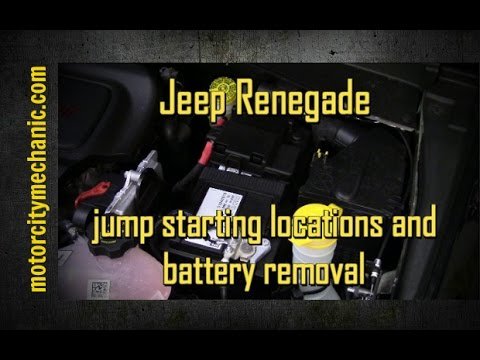
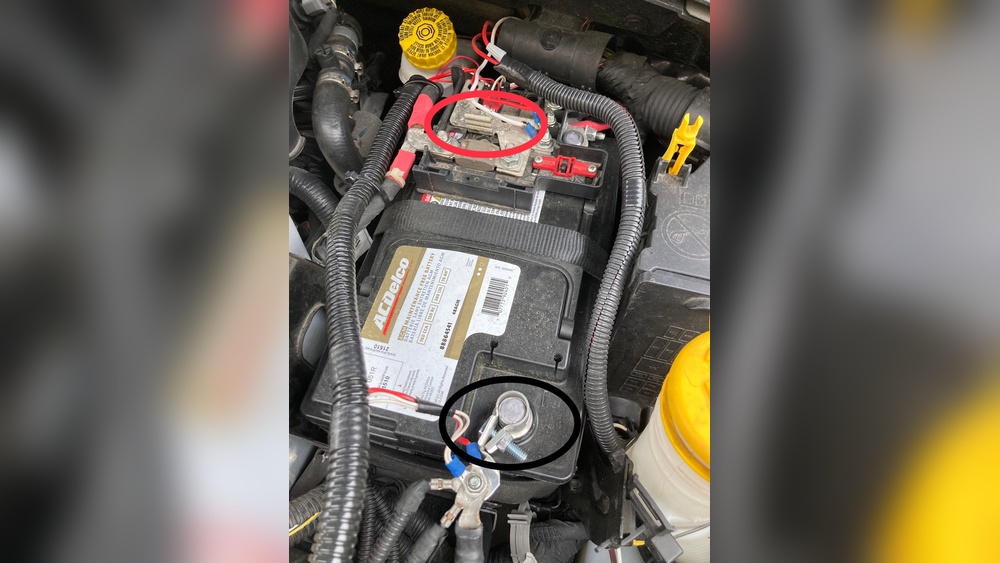
In the Jeep Renegade, the battery is usually under the hood. You will see two terminals:
- Positive (+): Red cap or symbol
- Negative (−): Black cap or symbol, or a metal grounding point nearby
3. Attach The Jumper Cables
Connect the cables in this exact order:
- Red clamp to the dead battery’s positive terminal.
- Red clamp to the good battery’s positive terminal.
- Black clamp to the good battery’s negative terminal.
- Black clamp to a solid, unpainted metal part in the Jeep Renegade’s engine bay (not directly on the battery).
This last step reduces the risk of sparks near the battery.
4. Start The Working Vehicle
Let it run for about 2-3 minutes. This allows some charge to flow into the dead battery.
5. Start Your Jeep Renegade
Try turning the key or pressing the start button. If the engine turns over but does not start, wait a minute and try again.
6. Remove Jumper Cables (reverse Order)
Take off the cables in this order:
- Black clamp from your Renegade’s grounding point.
- Black clamp from the helper vehicle.
- Red clamp from the helper vehicle.
- Red clamp from your Renegade.
Do not let the clamps touch each other or any metal.
7. Let Your Jeep Run
Keep the engine running for at least 20 minutes. This helps recharge the battery and makes sure it will start the next time.

Where To Find The Battery And Terminals
If you have never opened your Renegade’s hood, finding the battery can be confusing. The battery is usually on the driver’s side, near the firewall. Some models may have a plastic cover over the battery. Snap it open to reveal the terminals.
Here is a quick comparison of common Jeep Renegade battery locations:
| Model Year | Battery Location | Special Access |
|---|---|---|
| 2015-2018 | Under hood (driver’s side) | Plastic cover |
| 2019-2023 | Under hood (driver’s side) | Plastic cover, fuse box nearby |
Always double-check your owner’s manual if you are not sure.
Common Mistakes To Avoid
Jump-starting seems easy, but many people make small mistakes that can damage the vehicle or even cause injury.
- Reversing cable order: Always follow the exact connection sequence. Reversing cables can short out electronics or blow fuses.
- Connecting to the wrong terminal: The negative clamp should connect to a metal ground, not the dead battery’s negative post.
- Not letting the car run long enough: If you shut off the Jeep too soon, the battery may go dead again.
These mistakes are easy to avoid if you stay focused and do not rush.

How Jump-starting Affects Your Renegade
Modern vehicles have sensitive electronics. Some Jeep Renegade models have features like start-stop systems or extra sensors. Jump-starting incorrectly can confuse the car’s computer.
Here is a quick look at possible side effects after a jump-start:
| Symptom | Possible Cause | What To Do |
|---|---|---|
| Check engine light | Voltage surge or sensor reset | Drive 10-15 miles; light often turns off |
| Radio/clock reset | Temporary power loss | Reset time and radio stations manually |
| Window auto-up/down not working | Lost calibration | Refer to owner’s manual for recalibration |
If the Jeep shows warning lights or behaves oddly after a jump, consult your manual or visit a professional.
When To Replace The Battery Instead
If your Renegade needs a jump often, the battery may be failing. Most car batteries last 3-5 years. Extreme heat, frequent short trips, or leaving lights on can shorten battery life.
Signs you need a new battery:
- The engine cranks slowly, even after a jump.
- You hear clicking but the car does not start.
- Battery is swollen or leaks fluid.
A professional test at a parts store or mechanic can confirm battery health.
Safety Tips And Extra Advice
- Always wear gloves and eye protection when working with car batteries.
- Never smoke or use open flames near the battery.
- If the battery is frozen or leaking, do not try to jump-start.
- Clean corroded terminals with a wire brush before attaching cables.
- If you have roadside assistance, consider calling them—especially if you are not confident.
Many drivers forget that battery health affects electronics like power windows, radio, and navigation systems. Proper jump-starting can prevent expensive repairs.
For more detailed technical guidance, the Jeep Renegade owner’s manual is an excellent resource, or you can refer to AAA’s official advice.
Frequently Asked Questions
How Long Should I Leave The Cables Connected?
Usually, let the working vehicle run for 2-3 minutes before trying to start your Jeep. If it does not start, wait another minute or two.
Can I Damage My Jeep Renegade By Jump-starting It?
If you follow the correct order and use proper grounding, the risk is very low. Reversing the cables is the most common cause of damage.
What If My Jeep Renegade Still Will Not Start After A Jump?
Check the cable connections. If it still does not start, the battery may be completely dead or there could be another issue, like a bad starter or fuse.
Is It Safe To Use A Portable Jump Starter?
Yes, as long as the portable unit is rated for 12V automotive batteries. Always follow the device’s instructions.
Can I Jump-start My Jeep In The Rain?
Yes, but be extra careful to keep the cables dry and avoid standing in puddles. Water and electricity do not mix.
With the right steps, jump-starting a Jeep Renegade is safe and straightforward. Knowing how to handle a dead battery gives you confidence and saves time, keeping you moving when you need it most.