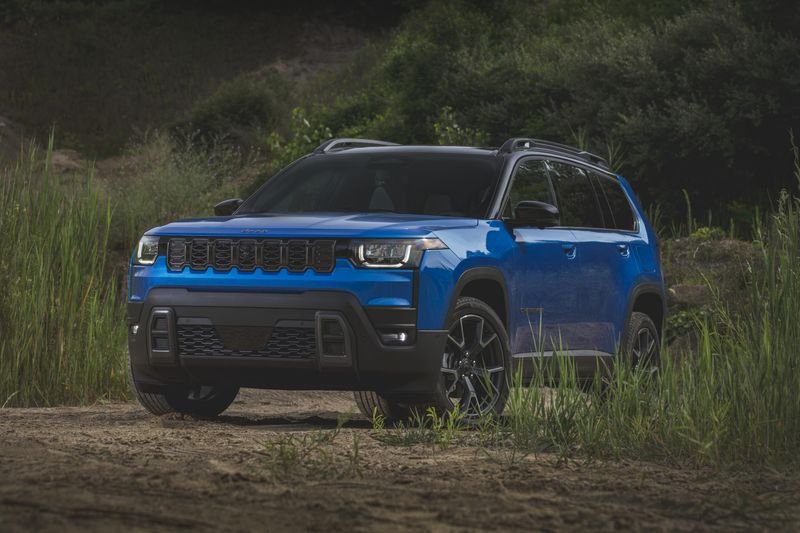
Jump-starting a Jeep Compass can be stressful, especially if you’re stuck in a parking lot or out on the road. Whether your battery is dead from cold weather, leaving the lights on, or simply old age, knowing how to jump your Jeep Compass safely is important. Many drivers make mistakes that can damage their vehicle or put them at risk. With the right steps, tools, and safety tips, you can get your Compass running and avoid costly repairs.
What You Need Before Jumping
Before you start, have these items ready:
- Jumper cables: Heavy-duty, at least 12 feet long.
- Working vehicle: Another car with a good battery.
- Gloves: Protect your hands from sparks or battery acid.
- Safety glasses: Optional, but recommended.
Check that both vehicles are off, keys removed, and parking brakes are set. If your Compass has an automatic transmission, put it in Park. For manual, use Neutral.

Step-by-step Guide To Jumping A Jeep Compass
Follow these steps carefully to avoid damage or injury.
- Locate the batteries on both vehicles. In the Jeep Compass, the battery is usually under the hood, near the front.
- Inspect the batteries for cracks, leaks, or corrosion. If you see damage, don’t attempt a jump—call for professional help.
- Connect the red cable (positive) to the positive terminal (+) of the dead battery.
- Attach the other end of the red cable to the positive terminal (+) of the working battery.
- Connect the black cable (negative) to the negative terminal (–) of the working battery.
- Attach the other end of the black cable to an unpainted metal surface on your Jeep Compass’s engine block (not the battery). This grounds the connection and reduces the risk of sparks.
- Start the working vehicle and let it run for 2–3 minutes.
- Try starting your Jeep Compass. If it doesn’t start, wait another few minutes, then try again.
- Once started, let your Compass run for at least 10 minutes to recharge the battery.
- Remove cables in reverse order: Black from Compass, black from working car, red from working car, red from Compass.
Common Mistakes To Avoid
Many drivers make errors when jump-starting, which can be costly:
- Reversing cable order can cause short circuits.
- Connecting negative cable to the dead battery instead of grounding.
- Not checking for battery leaks.
- Jumping with poor-quality cables.
Jeep Compass Battery Data And Comparison
The Jeep Compass uses different batteries depending on the model year. Here’s a quick comparison:
| Model Year | Battery Type | CCA (Cold Cranking Amps) | Typical Lifespan |
|---|---|---|---|
| 2017–2021 | Group 48 AGM | 680 | 4–6 years |
| 2012–2016 | Group 26R Lead-Acid | 600 | 3–5 years |
| Older models | Group 26 Lead-Acid | 575 | 3–5 years |
Cold Cranking Amps (CCA) show how well your battery performs in cold weather. AGM batteries are more reliable and last longer than standard lead-acid.
Safety Tips For Jump-starting
Jump-starting can be risky if you don’t follow basic safety rules.
- Always wear gloves and safety glasses.
- Never smoke or use open flames near batteries.
- Don’t let jumper cable clamps touch each other.
- Make sure cables are clear of moving parts like fans or belts.
If your Compass doesn’t start after two attempts, stop. Continuous tries can damage the starter or battery.

After Jumping: What To Do Next
Once your Jeep Compass is running, keep these tips in mind:
- Drive for at least 20–30 minutes to help recharge the battery.
- If your battery is older than four years, consider replacing it.
- Check your Compass’s alternator if you have frequent battery issues.
Here’s a comparison of jump-starting versus battery replacement:
| Action | Cost | Time Required | When To Use |
|---|---|---|---|
| Jump-Start | $0–$50 | 10–15 min | Battery is drained but healthy |
| Replace Battery | $120–$250 | 30–60 min | Battery is old or damaged |
Real-world Example
A 2020 Jeep Compass owner in Denver faced a dead battery after leaving headlights on overnight. After following the steps above, she jump-started her Compass successfully and avoided a $150 tow fee.
She later checked her battery’s age and upgraded to an AGM model for better performance in cold weather.
Non-obvious Insights
- Grounding matters: Many people connect the black cable to the dead battery’s negative terminal, which increases the risk of sparks near the battery. Grounding on the engine block is safer.
- Idle before disconnecting: After starting your Compass, let it idle for at least 10 minutes before removing cables. This prevents stalling and lets the alternator recharge the battery.
When To Call For Help
If your Jeep Compass has a push-button start or stop-start system, some models need special jump-starting procedures. Check your owner’s manual. If you hear clicking but no engine turnover, your starter or alternator may be failing. In these cases, call roadside assistance.
For more details on battery care, visit AAA’s Jump Start Guide.

Frequently Asked Questions
How Often Should I Check My Jeep Compass Battery?
Check the battery every six months, especially before winter or summer. Look for corrosion, leaks, and test voltage if possible.
Can I Use A Portable Jump Starter Instead Of Another Car?
Yes, a portable jump starter works well and is safer. Make sure it has enough CCA for your Compass model.
What Happens If I Connect Cables Incorrectly?
Connecting cables wrong can cause short circuits, battery explosions, or damage to electronics. Always double-check before connecting.
Why Does My Jeep Compass Battery Keep Dying?
Common reasons include old batteries, faulty alternators, or leaving lights on. Get your electrical system checked if it happens often.
Is It Safe To Jump-start In The Rain?
Jump-starting in light rain is possible, but avoid standing water. Keep cables and connections dry, and wear rubber gloves for extra safety.
Jump-starting your Jeep Compass is easy if you follow the right steps and safety tips. Keep good jumper cables in your car, check your battery regularly, and know when to call for help. With these skills, you’ll stay prepared and avoid trouble on the road.