Getting stuck with a dead battery is never fun—especially if you’re driving a Jeep Compass and need to get going quickly. Knowing how to jump-start your Compass safely can save you time, money, and stress.
This guide breaks down the process into simple steps, explains what tools you need, and highlights important tips for beginners. Even if you’ve never jump-started a car before, you’ll be able to do it with confidence after reading this article.
What You Need Before You Start
Jump-starting a Jeep Compass is simple, but you need the right equipment. Here’s what you should have:
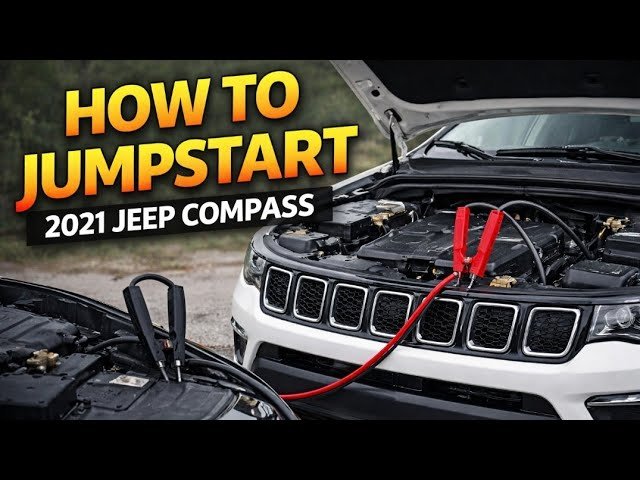
- Jumper cables (at least 10 feet long, insulated)
- A working vehicle with a fully charged 12-volt battery
- Gloves and safety glasses (optional, but recommended)
Before you begin, make sure both cars are in park (automatic) or neutral (manual), with parking brakes engaged. Turn off all electrical accessories like headlights, radio, and air conditioning in both vehicles.
Step-by-step: How To Jump A Jeep Compass
Jump-starting is safe if you follow each step carefully. Here’s how:
- Position the Vehicles
- Park the working car close to your Compass, but not touching. The batteries should be within reach of your cables.
- Open the Hoods
- Locate the battery in both vehicles. In the Jeep Compass, the battery is usually on the right side under the hood.
- Attach the Jumper Cables
- Connect the red (positive) cable to the positive (+) terminal on your Compass battery.
- Attach the other end of the red cable to the positive (+) terminal on the helper car.
- Connect the black (negative) cable to the negative (–) terminal of the helper car’s battery.
- Attach the other end of the black cable to a bare metal part of your Compass’s engine block (not the battery terminal). This grounds the connection and reduces the risk of sparks.
Here’s a quick table to clarify the cable connections:
| Step | Where To Attach |
|---|---|
| Red cable (1st clamp) | Compass positive terminal (+) |
| Red cable (2nd clamp) | Helper car positive terminal (+) |
| Black cable (1st clamp) | Helper car negative terminal (–) |
| Black cable (2nd clamp) | Compass bare engine metal (not battery) |
- Start the Helper Car
- Let it run for about 2 minutes. This helps send enough power to your dead battery.
- Start Your Jeep Compass
- Try to start the engine. If it doesn’t start right away, wait another minute and try again.
- Remove the Cables in Reverse Order
- Remove the black cable from your Compass engine.
- Remove the black cable from the helper car.
- Remove the red cable from the helper car.
- Finally, remove the red cable from your Compass.
Be careful not to let the clamps touch each other or any metal parts while removing.
After The Jump: What To Do Next
Once your Jeep Compass is running, let it idle for at least 15-20 minutes. This gives the alternator time to recharge the battery. If possible, take a short drive instead of just idling. Turn off any unnecessary accessories.
If your Compass won’t stay running or dies again soon after, the battery may be too weak or there could be a deeper electrical problem. In this case, it’s best to have it checked by a mechanic.
Important Safety Tips
Jump-starting is safe if you follow precautions. Here are some key safety tips:
- Never touch the metal parts of the clamps together after connecting to a battery.
- Check for damage: Don’t use jumper cables with exposed wires or broken insulation.
- Avoid smoking or open flames near the battery—batteries can release flammable gas.
- Always double-check the cable connections before starting the vehicles.
Here’s a simple comparison of what to do and avoid:
| Do | Don’t |
|---|---|
| Wear eye protection | Let cables touch moving engine parts |
| Use a helper car with a similar battery voltage (12V) | Connect negative cable to Compass battery terminal |
| Check battery for leaks before jumping | Jump a leaking or cracked battery |

Two Insights Many Beginners Miss
- Modern vehicles, including the Jeep Compass, often have sensitive electronics. Improper jumping can damage control modules. Always ground the negative cable to engine metal, not the battery terminal.
- Corroded battery terminals can prevent a successful jump-start. If you see white or blue powder on the battery, gently clean it with a dry cloth before attaching cables.
What If Jump-starting Fails?
Sometimes, even after following every step, your Jeep Compass won’t start. Here are some reasons:
- Dead battery cells: Old batteries may not hold a charge at all.
- Starter or alternator issues: The problem may not be the battery.
- Loose or corroded cables: Check all battery connections.
If you’ve tried twice and still can’t start, call for roadside assistance. Repeated attempts can damage the electrical system.

When To Replace Your Battery
A car battery usually lasts 3-5 years. Extreme cold or heat can shorten this time. If you notice slow engine cranking, dim lights, or frequent jump-starts, it may be time for a new battery.
For more on battery care and replacement, check the official Jeep owner’s manual.
Here’s a quick look at battery lifespan factors:
| Factor | Effect on Battery Life |
|---|---|
| Climate (very hot/cold) | Shortens |
| Short trips | Shortens |
| Leaving lights on | Shortens |
| Regular driving | Normal |
Jump-starting your Jeep Compass the right way is not difficult, but attention to detail makes all the difference. Always use quality cables, double-check your connections, and take your time.
With these steps, you’ll be back on the road quickly and safely.
Frequently Asked Questions
Can I Jump-start A Jeep Compass With A Portable Jump Starter?
Yes, you can use a portable jump starter instead of another vehicle. Just connect the clamps as you would with jumper cables, following the instructions in your Compass manual.
Is It Safe To Jump-start A Jeep Compass In The Rain?
It’s generally safe if you avoid standing water and keep cables dry. Modern cars are built to handle some moisture, but always use caution.
How Long Should I Let My Compass Run After Jump-starting?
Let it run for at least 15-20 minutes to recharge the battery. Driving is better than idling because it helps the alternator work more efficiently.
What If My Compass Only Clicks But Won’t Start After Jumping?
A single clicking sound often means a bad starter or very low battery. Check the battery connections and try again. If it still won’t start, contact a mechanic.
Can I Damage My Compass By Jump-starting Incorrectly?
Yes, incorrect jump-starting can damage your Compass’s electrical system. Always connect the negative cable to a metal ground, not the battery, to avoid electrical surges.