Jump-starting a car can be stressful, especially when you’re in a hurry and your 2019 Jeep Compass won’t start.
A dead battery is a common problem, but the good news is you can usually get back on the road in just a few minutes if you know the right steps.
This guide breaks down how to safely and correctly jump a 2019 Jeep Compass, even if you’ve never done it before. I’ll highlight the tools you need, walk through the process, and share tips that most people miss.
Understanding Your 2019 Jeep Compass Battery
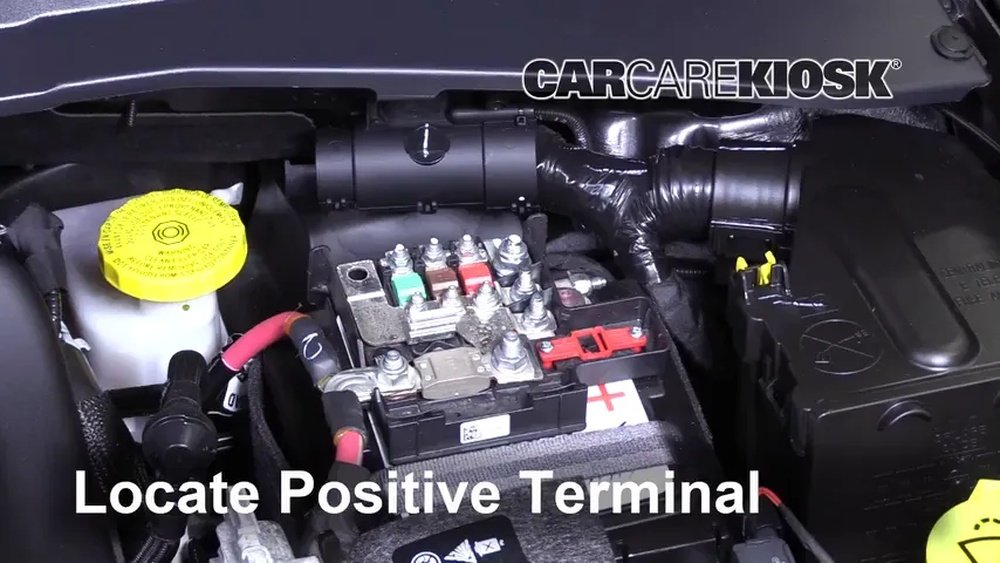
The 2019 Jeep Compass uses a 12-volt lead-acid battery. It’s usually located in the engine bay, on the right side. The battery is essential for starting the engine and powering electronics when the car is off. When the battery dies, your Jeep won’t crank or may just click.
Common causes of a dead battery:
- Leaving headlights or interior lights on
- Cold weather reducing battery power
- Old or weak battery (3–5 years is typical life)
- Faulty alternator
A healthy battery should show about 12. 6 volts when fully charged.
If your car is slow to start or accessories aren’t working, the battery may be low.
What You Need To Jump A 2019 Jeep Compass
Before you start, gather these tools:
- Jumper cables (4–6 gauge, at least 10 feet long)
- Another vehicle with a working 12V battery
- Safety glasses and gloves (recommended)
Some people use a portable jump starter instead of another car. This can be safer and more convenient, especially in remote areas.
Here’s a quick comparison of jumper cables vs. jump starters:
| Tool | Pros | Cons |
|---|---|---|
| Jumper Cables | Cheap, always works if another car is available | Needs a second car, more setup |
| Jump Starter | Portable, fast, safer | Must be charged, more expensive |

Step-by-step: How To Jump Your 2019 Jeep Compass
Follow these steps carefully to avoid injury or damage.
- Position the vehicles: Park the working car close, but not touching your Jeep. Both cars should be in park (automatic) or neutral (manual) with parking brakes engaged. Turn off both vehicles and remove keys.
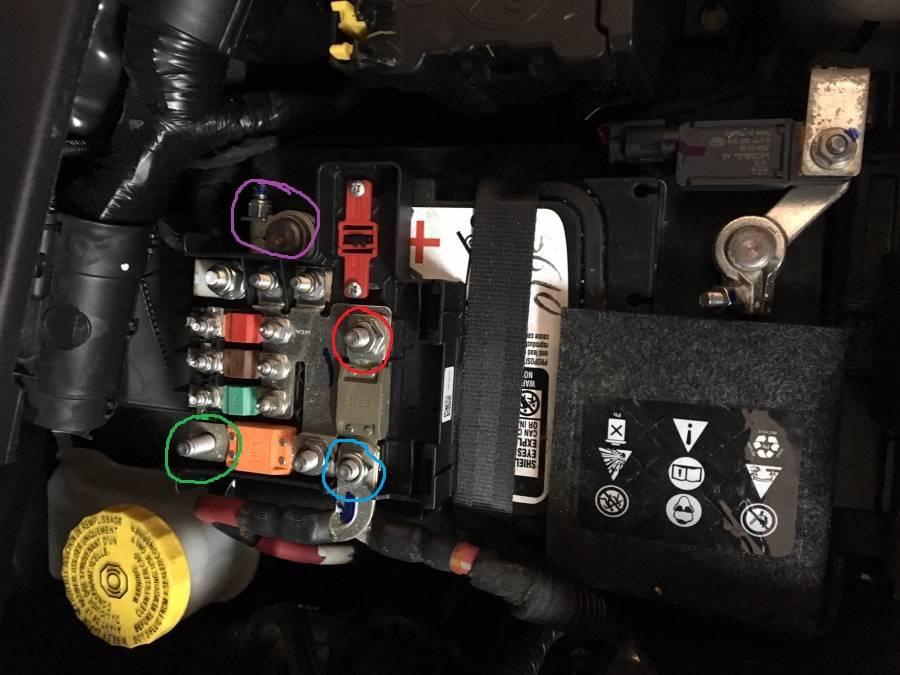
- Open the hoods: Locate the batteries. On the Compass, the battery is on the right side under a plastic cover. Remove the cover if needed.
- Identify battery terminals: Look for the positive (+) and negative (-) signs. The positive is usually red.
- Connect jumper cables:
- Red clamp to dead battery’s positive (+)
- Red clamp to donor battery’s positive (+)
- Black clamp to donor battery’s negative (-)
- Black clamp to unpainted metal surface on dead car (not the battery). On the Compass, a bolt on the engine block works well.
- Start the donor vehicle: Let it run for about 2–3 minutes.
- Try starting your Compass: If it doesn’t start right away, wait another minute, then try again.
- Once started: Keep both cars running for a few minutes.
- Disconnect cables in reverse order:
- Black clamp from Jeep’s engine block
- Black clamp from donor battery
- Red clamp from donor battery
- Red clamp from Jeep battery
- Drive your Compass: Let it run for at least 20 minutes to recharge the battery.
Here’s a summary of the connection order:
| Step | Action | Location |
|---|---|---|
| 1 | Red cable to dead battery | Positive (+) |
| 2 | Red cable to donor battery | Positive (+) |
| 3 | Black cable to donor battery | Negative (-) |
| 4 | Black cable to metal part | Engine block or frame |
Extra Tips Most People Miss
- Check for corrosion: White or blue buildup on battery terminals can block power. Clean with a wire brush if needed.
- Don’t connect black cable to the dead battery: This reduces risk of sparks or explosion.
- If the Compass doesn’t start after 3 tries, the battery may be too far gone or there may be another issue (starter, alternator, etc. ).
- Never let the clamps touch each other while attached to a battery.
Here’s a quick look at what to avoid:
| Mistake | Consequence |
|---|---|
| Wrong cable order | Sparks, damage, injury |
| Clamps touch each other | Short circuit, fire risk |
| Connecting black to dead battery | Explosion risk from battery gas |
When To Replace The Battery
If your Compass needs frequent jump-starts, it’s a sign the battery is failing. Most last 3–5 years. If your dashboard warning light stays on or you notice slow cranking, get the battery tested. Auto parts stores often check batteries for free. Replacement batteries for the 2019 Compass usually cost between $100–$200.
Safety Reminders
- Always wear eye protection
- Keep flames and cigarettes away from the battery
- If the battery is cracked or leaking, do NOT try to jump it
If you’re unsure, call roadside assistance. The Jeep Compass is a modern vehicle with sensitive electronics, so safety always comes first.
For more detailed car battery info, check the Wikipedia page on car batteries.
Frequently Asked Questions
How Do I Know If My Jeep Compass Battery Is Dead?
If you hear clicking but the engine won’t start, or the lights and radio don’t work, your battery is likely dead. Testing with a voltmeter can confirm below 12 volts usually means it’s discharged.
Can I Jump My Jeep Compass With A Smaller Car?
Yes, you can use most cars with a 12V system. Just make sure both vehicles are off before connecting and follow the correct order for cables.
Is It Safe To Jump A Jeep Compass Hybrid?
No, hybrids have high-voltage systems. Always check your owner’s manual or call a professional for hybrid vehicles.
How Long Should I Let My Jeep Run After A Jump?
Let it run for at least 20 minutes or drive it. This gives your alternator time to recharge the battery.
What If My Compass Still Won’t Start After Jumping?
There could be a deeper issue like a bad starter, alternator, or a completely dead battery. Have the vehicle checked by a professional if it doesn’t respond after a few attempts.
Jump-starting a 2019 Jeep Compass is quick if you follow the right steps. Always put safety first, and don’t hesitate to ask for help if you’re unsure.
With a little care, you’ll be back on the road fast and with confidence.