Lifting your Jeep Grand Cherokee safely is more than just placing a jack under the frame. It requires understanding the right points, using proper tools, and following steps that protect you and your SUV. Whether you’re changing a tire on the road or doing maintenance in your garage, knowing how to jack up your vehicle the right way can prevent accidents and expensive mistakes. This guide will walk you through the whole process, share tips that many Jeep owners miss, and help you feel confident when lifting your Grand Cherokee.
Tools And Equipment You Need
Before starting, gather these items:
- Hydraulic floor jack (rated for at least 3 tons)
- Jack stands (2 or 4, depending on the job)
- Wheel chocks
- Socket wrench or tire iron
- Work gloves
- Owner’s manual (for reference)
Never use the small emergency scissor jack for regular maintenance. Floor jacks are safer and more stable, especially for SUVs like the Grand Cherokee.
Finding The Correct Jack Points
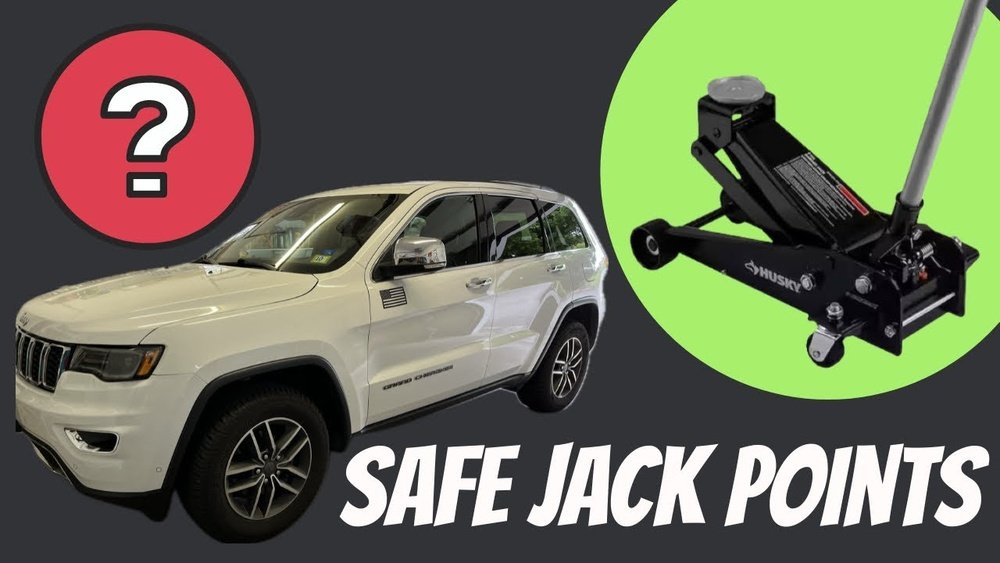
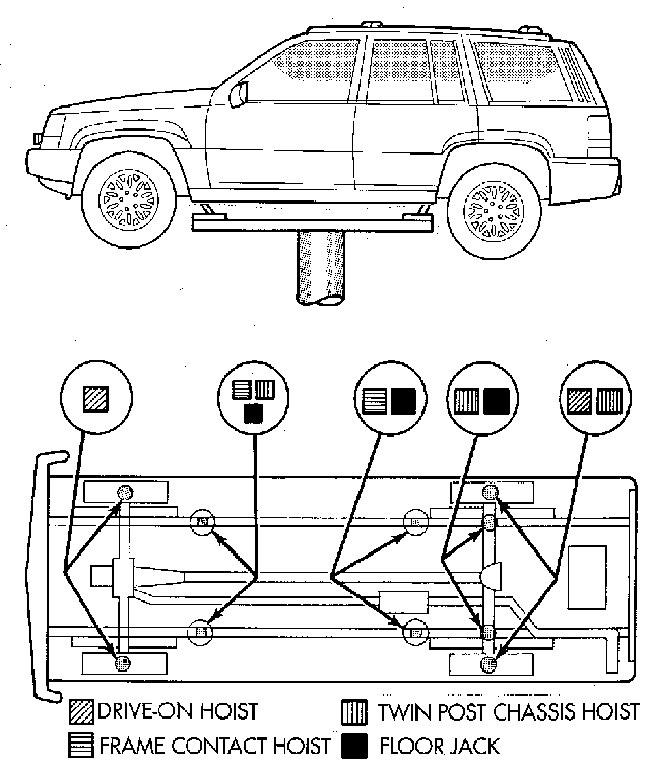
Every car has specific spots, called jack points, designed to handle the weight safely. Using the wrong spot can damage the frame or, worse, make the car slip.
For the Jeep Grand Cherokee (all model years), here’s where you should place your jack:
| Jack Point Location | Where to Find | Notes |
|---|---|---|
| Front pinch weld | Just behind the front wheels, under the rocker panel | Reinforced for jacking |
| Rear pinch weld | Just ahead of the rear wheels, under the rocker panel | Look for a notch or cut-out |
| Front crossmember | Metal bar under engine, center | For lifting the whole front end |
| Rear differential housing | Center of rear axle (solid axle models) | For lifting the whole rear end |
Check your owner’s manual for your model year, as some trims have different reinforcements.
Step-by-step: How To Jack Up Your Jeep Grand Cherokee
Follow these steps for a safe and smooth experience:
1. Park On A Level Surface
Make sure the ground is flat. Slopes can cause the vehicle to slip.
2. Engage Parking Brake And Chock Wheels
Set the parking brake firmly. Place wheel chocks behind the tires opposite the lifting end (e.g., chock rear wheels if lifting front).
3. Loosen Lug Nuts Slightly
If you’re changing a tire, use a tire iron to loosen (but not remove) lug nuts before jacking up.
4. Position The Jack
Place the hydraulic jack under the correct jack point. Double-check alignment to avoid slipping.
5. Lift The Vehicle Slowly
Pump the jack handle smoothly until the tire is off the ground. Never rush this step.
6. Place Jack Stands
Slide jack stands under the recommended support points. Lower the vehicle gently onto the stands for full support.
7. Double-check Stability
Give the vehicle a small shake. If it wobbles, lower and reposition the jack and stands.
8. Remove The Wheel Or Perform Repairs
Now it’s safe to remove the wheel or do your maintenance.
9. Reinstall And Lower The Vehicle
After finishing, raise the vehicle slightly, remove the jack stands, and lower it slowly with the jack. Tighten lug nuts fully once it’s back on the ground.
Key Safety Tips Many Owners Miss
It’s easy to overlook simple details, but these can make a big difference:
- Never go under the Jeep when it’s only on a jack. Always use jack stands.
- Avoid soft ground. Even grass or warm asphalt can let the jack sink and cause collapse.
- Check jack rating. A Grand Cherokee weighs over 4,500 lbs (2,040 kg). Use a jack rated above this.
- Don’t use a jack on a tire or exhaust. Only lift from hard, reinforced points.
Common Mistakes To Avoid
Many beginners make these errors:
| Mistake | Why It’s Risky | Better Practice |
|---|---|---|
| Using the wrong jack point | Can bend the frame or cause slipping | Always check the manual and look for reinforced spots |
| Skipping wheel chocks | Vehicle can roll, even on slight slopes | Chock wheels every time |
| Raising too high too fast | Makes the Jeep unstable | Lift slowly, with constant checks |
| Leaving tools under the vehicle | Can cause damage or injury when lowering | Clear the area before lowering |
When Should You Jack Up Both Sides?
Lifting just one wheel is enough for most tire changes. But for jobs like brake work or suspension repairs, you may need both wheels off the ground. In this case, lift from the front crossmember or rear differential, then support with two jack stands on each side. Always lift evenly to avoid twisting the frame.
Choosing The Right Jack And Stands
Not all jacks are the same. For the Jeep Grand Cherokee, look for:
- 3-ton hydraulic floor jack (minimum)
- Height range: At least 18 inches lift for off-road trims
- Wide base for better stability
For jack stands, choose:
- 3-ton stands
- Adjustable height
- Wide, sturdy feet
Cheap or weak equipment is a common cause of accidents. Investing in quality tools pays off in safety and peace of mind.
Final Checks Before Lowering
Before you bring your SUV back down:
- Inspect that nothing is under the vehicle.
- Make sure all bolts or lug nuts are reinstalled finger-tight.
- Confirm all tools are clear.
Lower the Jeep slowly, checking for any unusual noises or movement. Finish tightening the lug nuts once the tire touches the ground.

Frequently Asked Questions
How Do I Know If I’m Using The Right Jack Point?
Check your owner’s manual for diagrams of jack points. Look for reinforced metal sections under the body, not plastic or suspension parts.
Can I Use The Emergency Scissor Jack For Regular Maintenance?
No. The scissor jack is only for roadside tire changes. For any other work, use a hydraulic floor jack and stands for stability.
Is It Safe To Jack Up My Jeep On A Gravel Driveway?
Gravel is risky because it shifts under pressure. If you must, use a large, thick wooden board under the jack to spread the load. Flat concrete is much safer.
How High Do I Need To Lift The Jeep To Change A Tire?
Lift until the flat tire just clears the ground usually 2 3 inches. Don’t go higher than needed, as it can make the vehicle unstable.
Where Can I Find More Details On Vehicle Jacking Safety?
You can find detailed safety guides at NHTSA’s official site.
Lifting your Jeep Grand Cherokee the right way is simple once you know the steps and respect the safety basics. With proper tools and careful attention, you’ll be ready for anything from flat tires to home maintenance. Always double-check your equipment and never rush—your safety is worth the extra minute.


















