Every driver should know how to install a spare tire. Flat tires can happen anywhere—on busy highways, quiet country roads, or even your own driveway.
Waiting for roadside assistance can take a long time and isn’t always safe or practical. When you know how to change a tire, you gain confidence and control over unexpected situations.
This guide will walk you through the process step by step. Whether you’ve never changed a tire before or just need a refresher, you’ll find clear instructions, helpful tips, and important safety reminders.
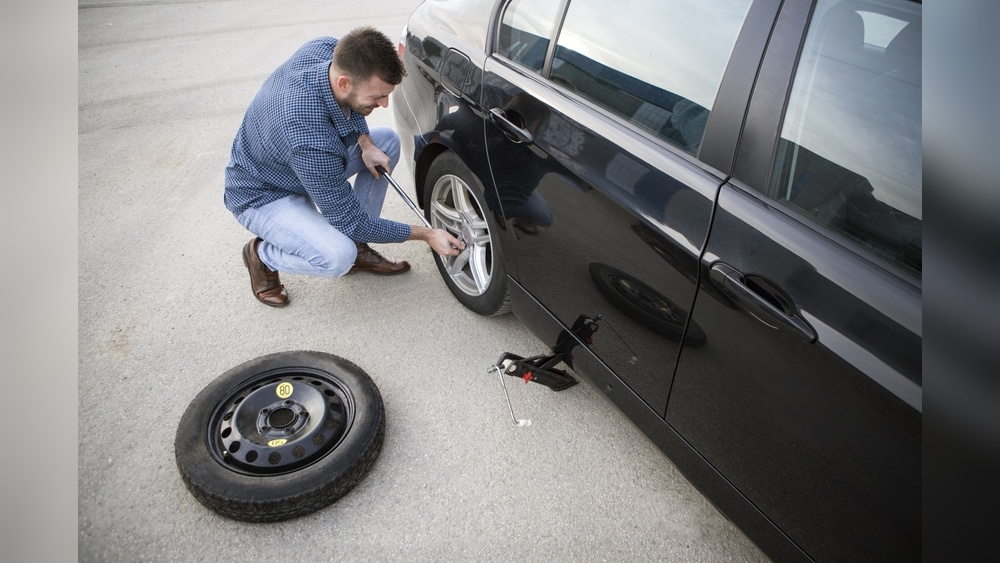
Let’s get started so you can handle a flat tire with ease.
What You Need Before You Start
Before you attempt to install a spare tire, make sure you have the right tools. Most vehicles come with the basic items, but it’s smart to check your trunk regularly.
Essential items:
- Spare tire (fully inflated)
- Jack
- Lug wrench
- Owner’s manual (for vehicle-specific tips)
Optional items:
- Flashlight
- Reflective triangles or flares
- Gloves
- Tire pressure gauge
Many drivers forget to check the spare tire’s air pressure. It can lose air over time, so inspect it every few months.
Also, ensure your jack and wrench fit your car’s lug nuts some aftermarket wheels use special sizes.
Step-by-step Guide To Installing A Spare Tire
Follow these clear steps to safely replace your flat tire.
1. Find A Safe Location
Pull over to a flat, stable area away from traffic. Turn on your hazard lights.
If possible, park on level ground and avoid soft or wet surfaces where the jack might sink.
2. Secure The Vehicle
Apply the parking brake. If your car has a manual transmission, put it in gear.
Place wheel chocks or heavy objects in front and behind the tire diagonally opposite the flat one for extra security.
3. Gather Your Equipment
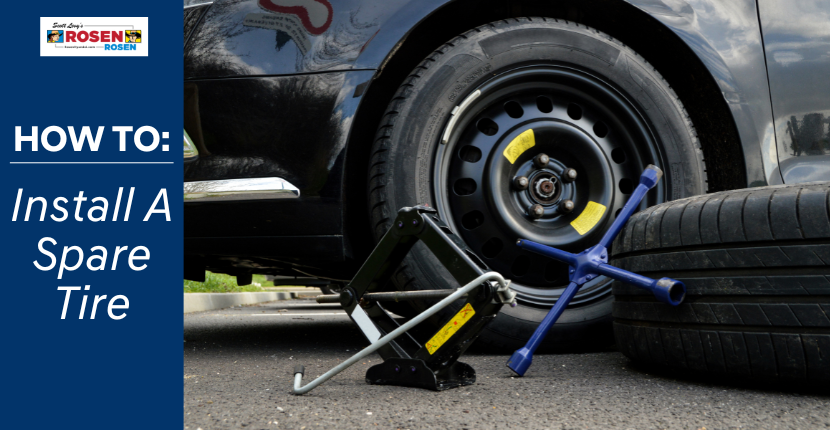
Retrieve your spare tire, jack, and lug wrench from the trunk. Lay them near the flat tire.
4. Loosen The Lug Nuts
Using the lug wrench, turn the lug nuts counterclockwise to break their resistance. Loosen each one by about a half turn, but do not remove them yet.
If a nut is stuck, use your body weight to push the wrench, but avoid sudden jerks.
5. Lift The Vehicle With The Jack
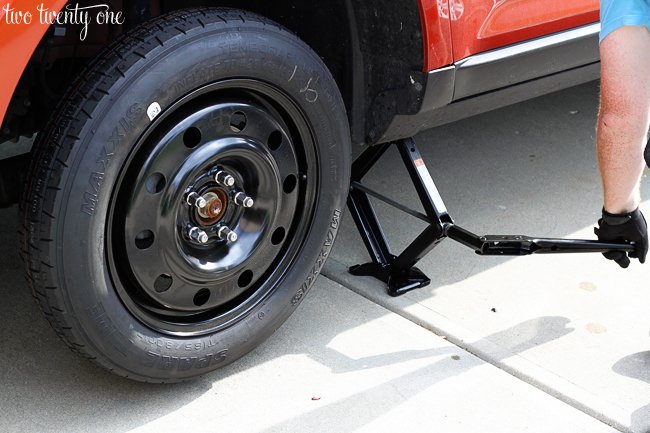
Position the jack under the jacking point closest to the flat tire. (Check your owner’s manual for the exact spot.) Raise the vehicle until the flat tire is about 6 inches above the ground.
6. Remove The Lug Nuts And Flat Tire
Now, unscrew the lug nuts completely and set them in a safe place. Carefully remove the flat tire by pulling it straight toward you.
Place it flat on the ground so it doesn’t roll away.
7. Mount The Spare Tire
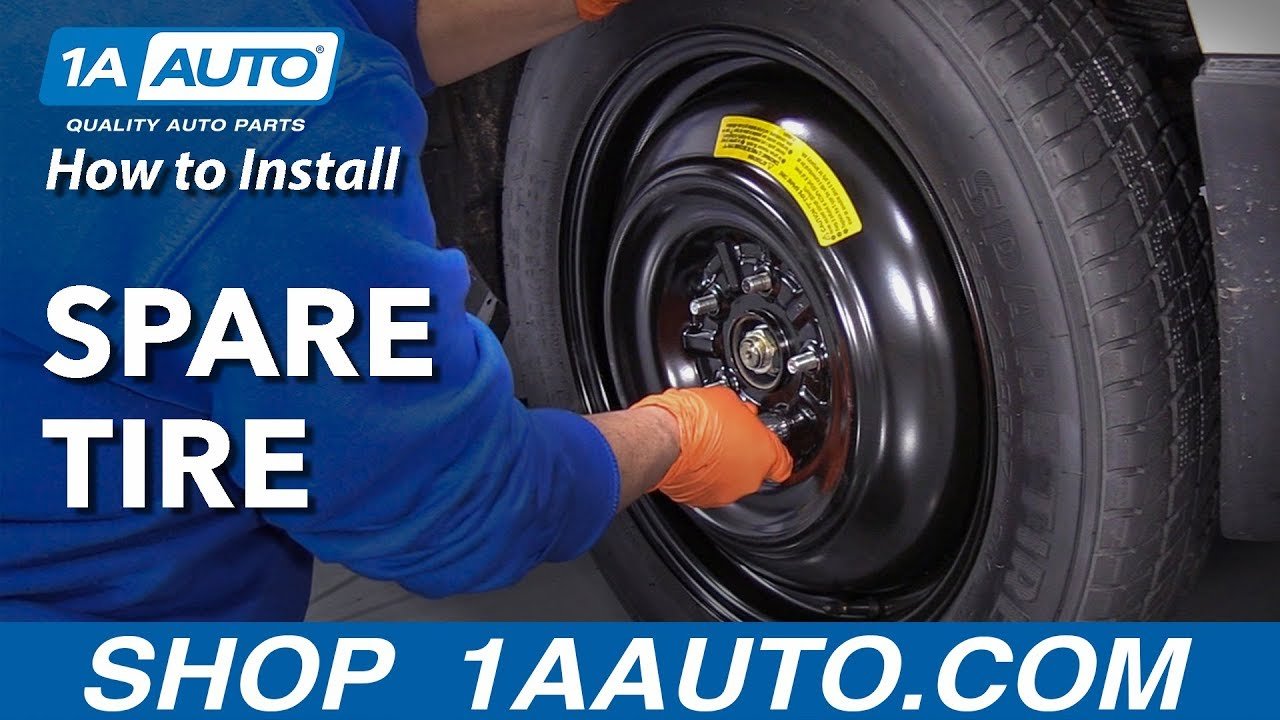
Align the holes of the spare with the wheel studs. Push the tire all the way onto the hub. Hand-tighten the lug nuts onto the studs.
8. Lower The Vehicle And Tighten The Lug Nuts
Slowly lower the car with the jack until the spare touches the ground and supports the vehicle’s weight. Use the wrench to tighten the lug nuts in a star pattern—this ensures even pressure. Tighten each nut a little at a time, moving across the pattern.
9. Check Tire Pressure And Stow Equipment
If you have a tire pressure gauge, check the spare’s pressure. Temporary spares usually require 60 psi see your manual.
Pack away your tools and the flat tire.
10. Drive Carefully
Spare tires especially “donuts” are not for long-term use. Drive below 50 mph and replace or repair your regular tire as soon as possible.
Common Mistakes And How To Avoid Them
Installing a spare tire is straightforward, but beginners often make preventable errors. Here are two non-obvious mistakes:
- Not loosening lug nuts before lifting: If you try to loosen them after lifting the car, the wheel spins, making the job much harder.
- Incorrect jack placement: Setting the jack in the wrong spot can damage your car’s frame or make the car unstable.
Many people also forget to tighten the lug nuts in a star pattern. This can cause uneven pressure and lead to wheel wobble or unsafe driving.
Comparing Spare Tires: Donut Vs Full-size
Not all spares are the same. Here’s a quick comparison:
| Type | Size | Max Speed | Recommended Distance |
|---|---|---|---|
| Donut (Temporary) | Smaller than regular tire | 50 mph | 50-70 miles |
| Full-Size | Same as regular tire | Normal limits | Unlimited |
Donuts save trunk space but are only for emergencies. Full-size spares offer better safety and performance but require more room.
Essential Spare Tire Maintenance
Regular checks keep your spare ready for emergencies. Here’s what to do:
| Task | How Often | Why It Matters |
|---|---|---|
| Check air pressure | Every 3 months | Prevents driving on a flat spare |
| Inspect tread | Every 6 months | Ensures good grip and safety |
| Examine for damage | Every oil change | Avoids surprises during emergencies |
Most drivers overlook spare tire maintenance until they need it. A quick check during routine car care can save hours on the roadside.
Safety Tips For Changing A Tire
- Always use hazard lights when stopped.
- Never change a tire on a slope if you can avoid it.
- Keep your body away from traffic.
- If you feel unsafe, stay in your car and call for help.
If you’re unsure about any step, consult your owner’s manual or seek assistance. For detailed information on tire care and safety, visit the National Highway Traffic Safety Administration.
Frequently Asked Questions
How Long Can I Drive On A Spare Tire?
Temporary “donut” spares are only for short distances usually up to 70 miles. Full-size spares can be used like a regular tire but should be replaced with a matching tire as soon as possible.
What If I Can’t Loosen A Lug Nut?
Stuck lug nuts are common. Try using your body weight on the wrench.
If it won’t move, avoid using lubricants, as they can affect the nuts’ grip. Call for assistance if you still can’t loosen them.
Can I Use A Spare From Another Car?
It’s not recommended. Tires must match in size, bolt pattern, and load rating.
Using the wrong spare can damage your car or cause unsafe driving.
How Do I Know If My Spare Is Still Good?
Check for tread depth, cracks, and proper air pressure. Even unused spares can degrade over time. Replace tires more than six years old, even if they look fine.
Do All Cars Have Spare Tires?
No. Some modern cars use tire repair kits instead to save space and weight. Check your manual to know what your vehicle provides.
Changing a tire isn’t just about convenience it’s a key skill for safe and confident driving. With the right tools and these steps, you can handle a flat tire and get back on the road quickly.


















