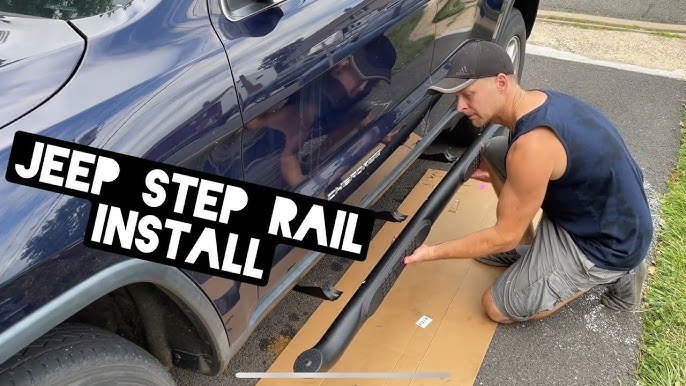
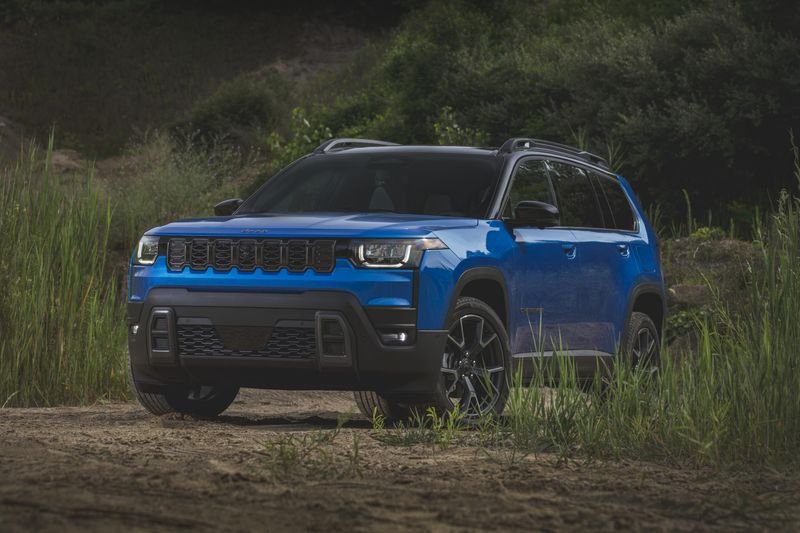
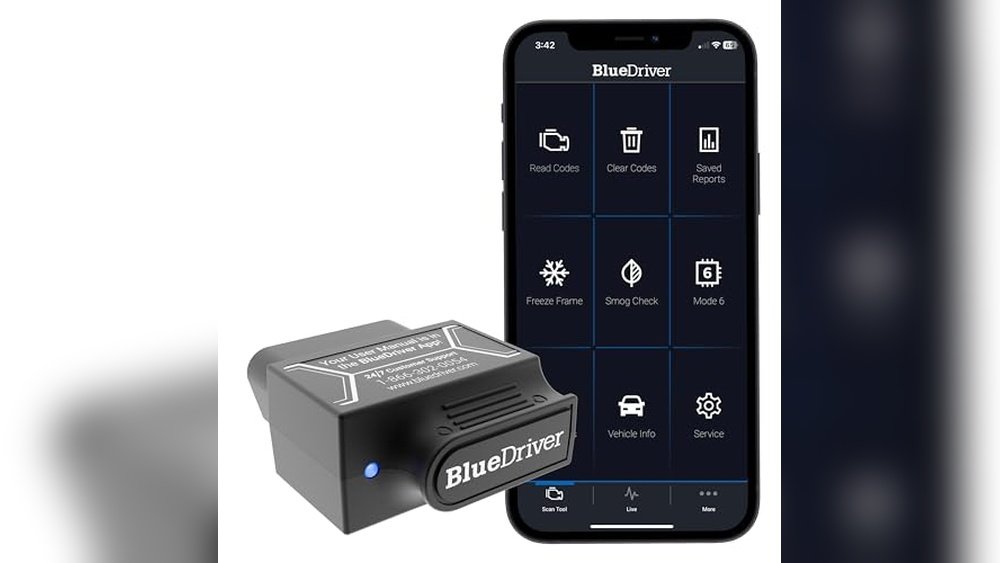
Installing Jeep side steps can make getting in and out of your vehicle much easier. These steps add both style and practical value, especially for lifted Jeeps or for families with kids. Many Jeep owners install side steps at home with basic tools. However, there are some key details and steps you should follow to ensure a safe and solid result. This guide will help you understand how to install Jeep side steps, avoid mistakes, and make the process smooth.
What To Know Before You Start
Before picking up a wrench, it’s important to know a few things:
- Check compatibility: Not all side steps fit every Jeep. Make sure your side steps are designed for your Jeep’s year, model, and body style.
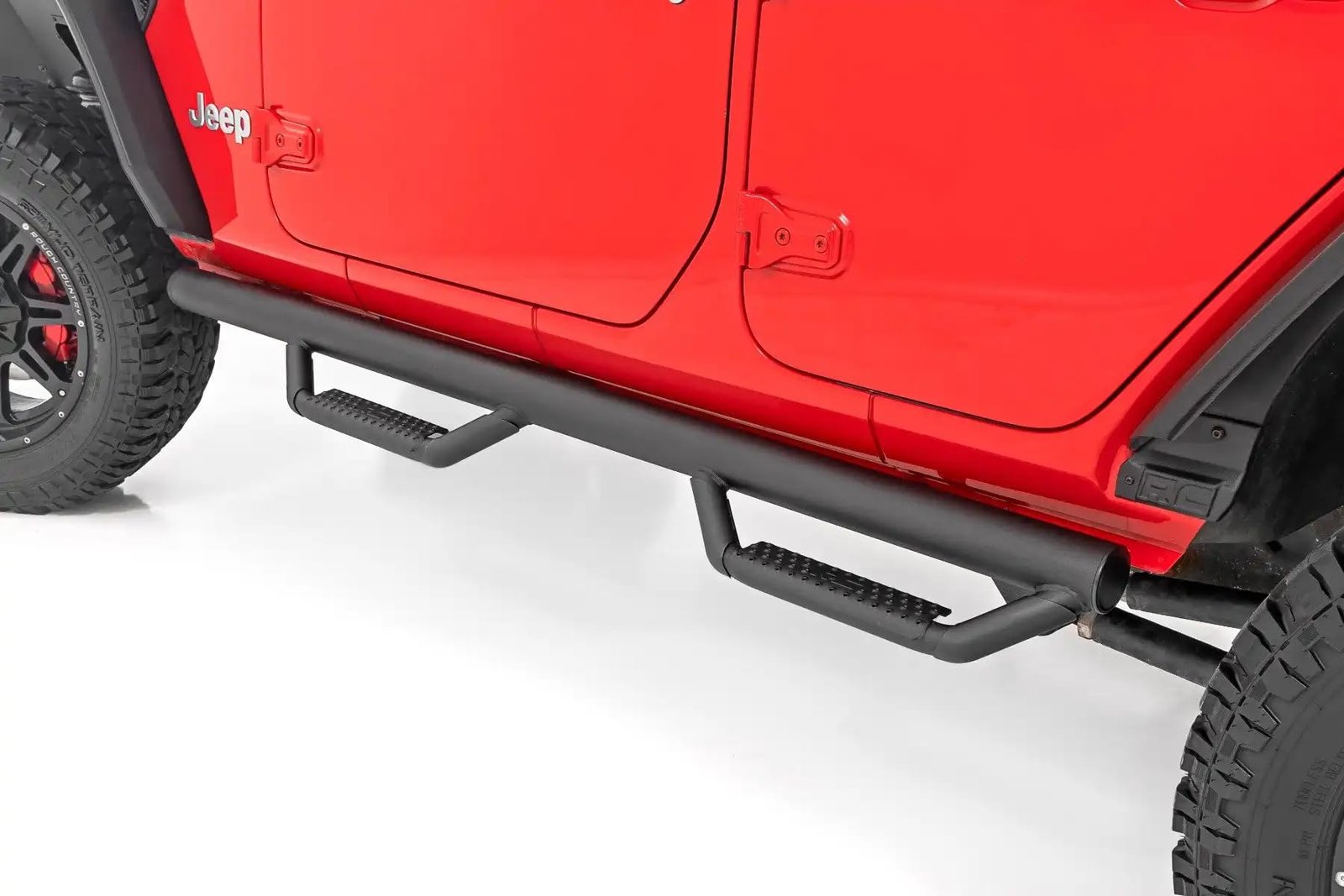
- Choose your type: Side steps come in different forms like nerf bars, running boards, and rock sliders. Each has a different look and function.
- Gather tools: Common tools include a socket set, ratchet, torque wrench, and sometimes a drill.
- Review the instructions: Read the manufacturer’s instructions before starting. Every brand has small differences.
- Have a helper: Side steps can be long and heavy. It’s safer and easier with two people.
Tools And Materials You’ll Need
Here’s what you usually need for a DIY installation:
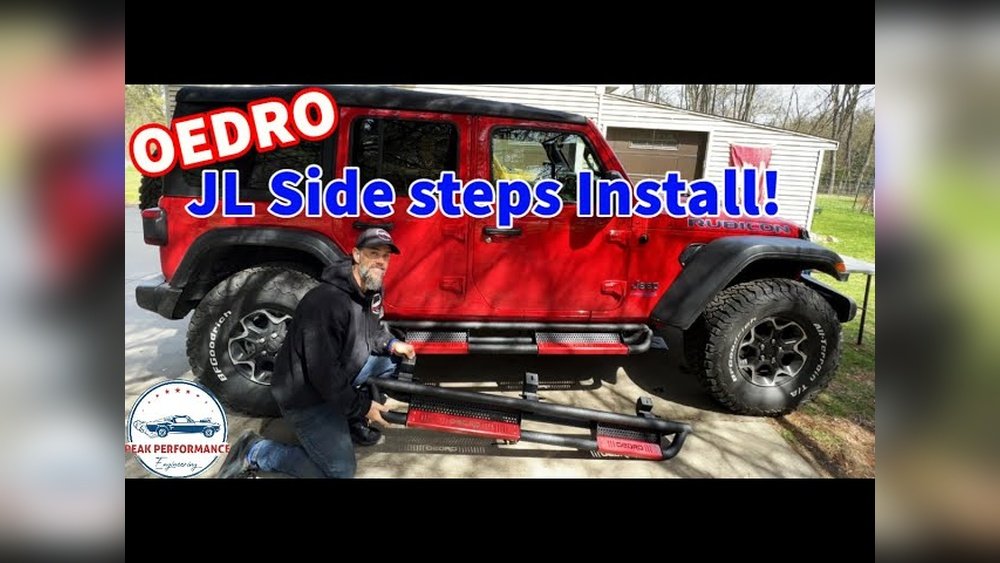
- Side steps kit (with brackets and bolts)
- Socket wrench set
- Torque wrench
- Screwdriver set
- Jack and jack stands (optional, for better access)
- Safety glasses and gloves
- Rust inhibitor spray (for older Jeeps)
If your Jeep is new, most mounting points are already drilled and threaded. For older models, you may need a drill and rust penetrant.
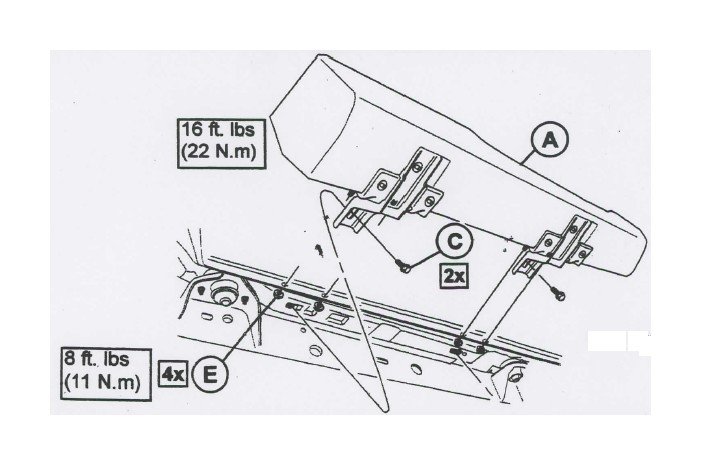
Step-by-step Guide To Installing Jeep Side Steps
1. Prepare Your Jeep
Park on a flat surface, engage the parking brake, and turn off the engine. If you need more space, use a jack to lift the Jeep and secure it with jack stands.
Clean the underside of the Jeep’s rocker panels to remove dirt and rust.
2. Locate Mounting Points
Most Jeeps have pre-drilled holes under the doors. You may need to remove rubber plugs or factory bolts. Check both sides and compare with the step brackets to be sure.
3. Attach The Brackets
Hold the brackets up to the mounting points to check alignment. Use the supplied bolts and washers.
Tighten bolts by hand first, but don’t fully tighten yet. This gives you room to adjust the fit.
4. Mount The Side Steps
With help, lift the side step onto the brackets. Attach it using the hardware from your kit.
Make sure the step is level and sits evenly from front to back.
5. Tighten Everything
Once the step is correctly positioned, tighten all bolts to the manufacturer’s recommended torque. Use a torque wrench for even pressure. This prevents rattling or loosening over time.
6. Double-check
Before finishing, stand on the step to check for movement. Inspect all bolts, especially after a short test drive. Re-tighten if needed.
Here’s a comparison of popular Jeep side step types to help you choose:
| Type | Appearance | Main Use | Strength |
|---|---|---|---|
| Nerf Bar | Round tube, sporty | Step up, light off-road | Medium |
| Running Board | Flat, wide | Easy access, family use | Low to Medium |
| Rock Slider | Heavy-duty, rugged | Protection, off-road | High |
Common Mistakes To Avoid
Some mistakes are easy to make but can be costly:
- Not checking fitment: Forcing brackets can damage your Jeep.
- Skipping rust treatment: In older Jeeps, untreated holes can cause rust.
- Overtightening bolts: This can strip threads or crack brackets.
- Ignoring weight limits: Every side step has a maximum weight. Check the specs.
Here’s a quick comparison of installation difficulty by Jeep model:
| Jeep Model | Pre-Drilled Holes | Typical Install Time |
|---|---|---|
| Wrangler JL | Yes | 1-2 hours |
| Wrangler JK | Yes | 1-2 hours |
| Gladiator | Yes | 1.5-2 hours |
| Cherokee XJ | No | 2-3 hours |
Extra Tips For A Professional Result
- Test fit before tightening: Always check the side step’s position with all bolts loose before final tightening.
- Use anti-seize lubricant: This prevents bolts from seizing, especially in wet climates.
- Check after off-roading: Off-road use can loosen bolts. Inspect them regularly.
- Consider paint protection film: Side steps can rub against paint. A thin film can prevent scratches.
- Upgrade hardware if needed: Some kits use basic bolts. Consider stainless steel for rust resistance.
When To Ask A Professional
If you notice that holes don’t line up, brackets don’t fit, or you need to drill into the body, it might be best to visit a shop. Professional installers have the right tools and experience to handle tricky installations. A badly fitted side step can damage your Jeep or even be a safety hazard.
Care And Maintenance
Once your side steps are on, keep them clean and check the hardware every few months. Road salt in winter can cause rust, so rinse steps regularly.
A little maintenance goes a long way in keeping them looking good and working well.
For more details and visual guides, you can visit the official Mopar Jeep Accessories site.
Frequently Asked Questions
How Long Does It Take To Install Jeep Side Steps?
Most side steps can be installed in 1-2 hours if your Jeep has pre-drilled mounting points. Older models or custom steps may take longer.
Do I Need To Drill Holes In My Jeep?
Usually, no drilling is required for modern Jeeps. Most have factory holes under the rocker panel. Some older models may need new holes.
Can I Install Side Steps Alone?
It’s possible, but having a helper makes the job much easier and safer. Side steps are long and can be heavy.
Will Side Steps Fit With Rock Sliders?
Not always. Some side steps and rock sliders use the same mounting points. Check compatibility before buying both.
How Much Weight Can Jeep Side Steps Hold?
Most side steps support 250-500 lbs. Check your specific kit’s instructions to be sure.
With the right tools and a little patience, installing Jeep side steps is a project most owners can handle at home. Careful prep and following instructions will give you a sturdy, stylish upgrade you’ll enjoy every time you climb in.