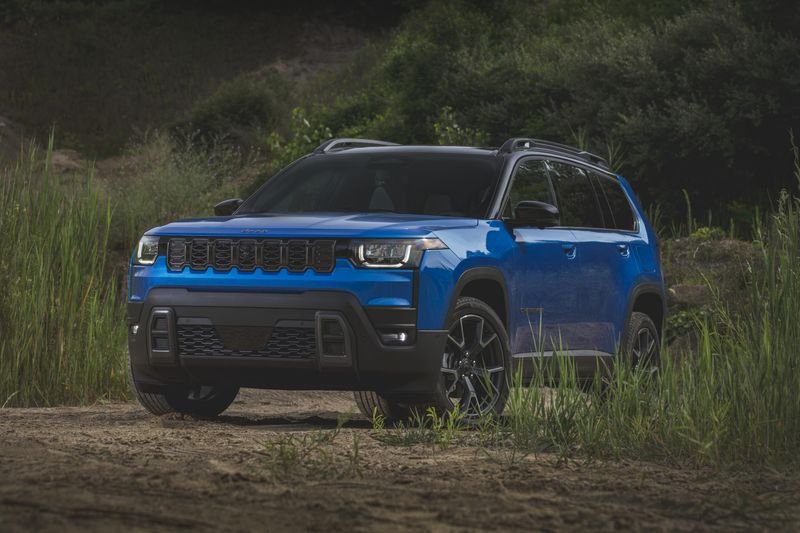
Upgrading your Jeep Wrangler with a cold air intake is one of the easiest ways to boost engine performance. Many Jeep owners choose this upgrade for better horsepower, improved throttle response, and a sportier engine sound. But installing a cold air intake isn’t just about buying a kit and swapping parts. Doing it right protects your engine and ensures you get the most from your investment. This guide walks you through the process, step by step, so you can confidently upgrade your Jeep—even if you’re new to car mods.
Why Install A Cold Air Intake?
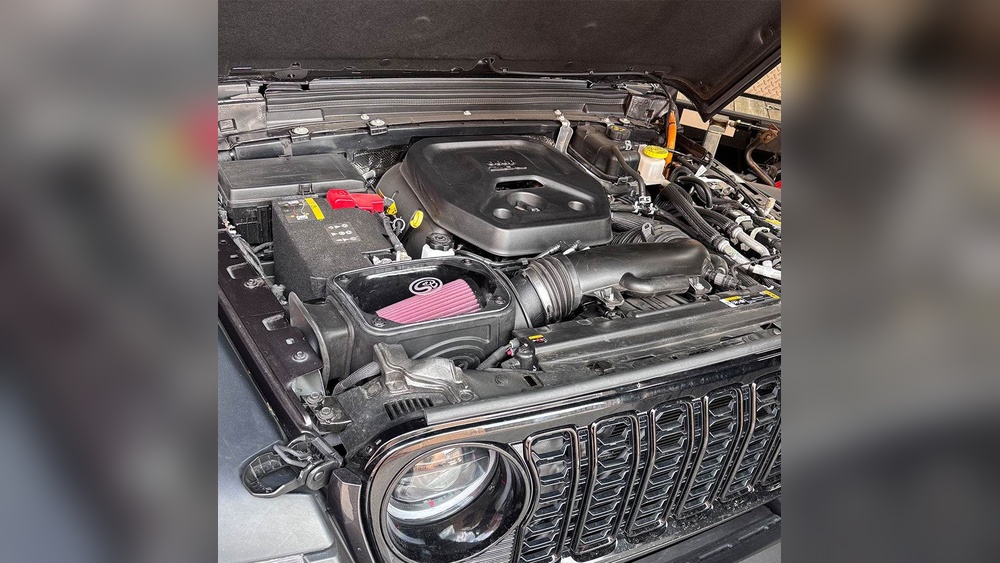
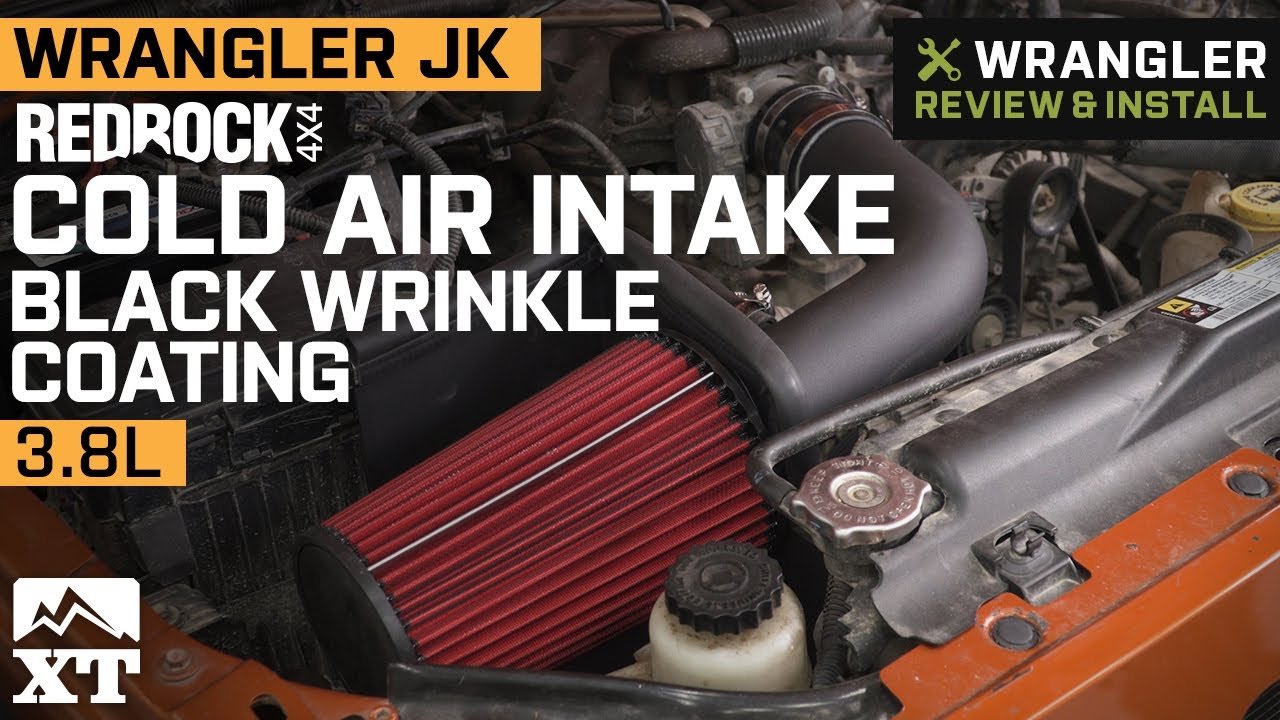
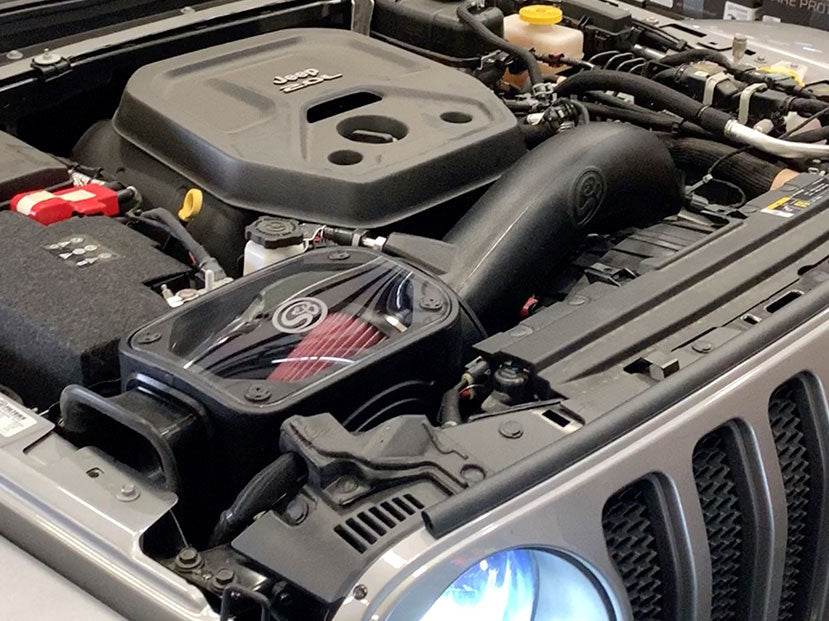
A cold air intake replaces your Jeep’s stock air box with a larger, smoother intake tube and a high-flow filter. This system draws cooler, denser air from outside the engine bay, which increases oxygen for combustion. The result? More power and efficiency.
Recent tests show that most cold air intakes for Jeep Wrangler add 5 to 15 horsepower. You may also notice a slight improvement in fuel economy—usually around 1–2 miles per gallon. The extra growl when you accelerate is a bonus many Jeep enthusiasts love.
Tools And Parts You Need
Before you start, make sure you have everything ready. Most cold air intake kits include all the main parts, but you’ll still need some basic tools. Here’s a quick checklist:
- Cold air intake kit (fits your Wrangler’s year and engine)
- Socket set (metric and SAE)
- Screwdrivers (Phillips and flathead)
- Pliers
- Torx bits (some models need these)
- Shop towels (to clean up)
- Gloves (optional, but helpful)
If your Jeep has special sensors, like a mass airflow sensor, double-check that your kit supports them. Skipping this step is a common mistake that can trigger a check engine light.

Removing The Stock Air Intake
Start with a cool engine and park your Jeep on a flat surface. Disconnect the negative battery terminal—this keeps the computer safe while you work.
- Unclip and remove the engine cover if your model has one.
- Loosen the clamps on the air intake hose at both ends.
- Disconnect any sensors and hoses from the air box.
- Gently lift the air box out of the engine bay. Some models have bolts or rubber grommets—don’t force it.
It’s smart to keep all original parts in a box. If you ever need to return your Jeep to stock (for resale or emissions), you’ll have everything ready.
Installing The Cold Air Intake
Lay out all the parts from your kit and read the instructions. Each brand is a little different, but the process is usually similar.
- Install the heat shield (if your kit has one). It blocks engine heat from reaching the filter.
- Attach the intake tube to the throttle body. Use the provided couplers and tighten the clamps, but don’t overtighten—plastic parts can crack.
- Connect the filter at the end of the intake tube.
- Reconnect sensors and hoses to the new intake. Double-check that each plug clicks into place.
- Secure everything with the included bolts or brackets.
Here’s a quick comparison of the stock vs. cold air intake setup:
| Feature | Stock Intake | Cold Air Intake |
|---|---|---|
| Air Flow | Restricted | High |
| Air Temperature | Warmer | Cooler |
| Maintenance | Factory filter change | Washable filter |
Checking Your Work
Before you start the engine, do a final check:
- Make sure all clamps are tight.
- Confirm that all sensors and hoses are reattached.
- Check for leftover parts—if you have any, review the instructions.
Reconnect the negative battery terminal. Start the Jeep and let it idle for a few minutes. Listen for strange noises or air leaks. If everything sounds normal, take your Jeep for a short drive. You should feel a smoother throttle and hear a deeper engine sound.
Common Mistakes To Avoid
Many beginners rush the installation or skip steps. These are the most common mistakes:
- Forgetting to reconnect sensors: This can cause warning lights or engine issues.
- Overtightening clamps: This can crack plastic parts or strip threads.
- Not sealing the intake: Even a small air leak can lower performance and let dirt in.
Also, check your kit’s CARB certification if you live in California or a state with strict emissions laws. Some cold air intakes are not street legal everywhere.
Maintenance Tips
A cold air intake filter needs cleaning every 15,000 to 30,000 miles, depending on your driving conditions. Dirty or dusty roads require more frequent cleaning. Most filters can be washed and reused—just follow the kit’s instructions.
Here’s a quick look at cleaning schedules:
| Driving Condition | Cleaning Interval |
|---|---|
| City/Highway | Every 20,000 miles |
| Off-road/Dusty | Every 10,000 miles |
Neglecting maintenance reduces power and can damage your engine over time.
Real-world Results
Most Jeep Wrangler owners see noticeable gains after installing a cold air intake. For example, a 2018 Wrangler JL with a 3.6L engine can jump from 285 to nearly 300 horsepower after the upgrade (with supporting mods). The Jeep feels more responsive, especially during highway merging or off-road climbs.
Some owners report no major change in fuel economy, but enjoy the sportier sound and easier filter access. Remember, results depend on your Jeep’s exact model, the intake brand, and your driving style.
Frequently Asked Questions
What Is The Main Benefit Of A Cold Air Intake On A Jeep Wrangler?
The main benefit is improved airflow, which leads to more horsepower and better throttle response. You may also notice a more aggressive engine sound.
Will A Cold Air Intake Void My Jeep’s Warranty?
In most cases, a cold air intake will not void your warranty, but any damage caused by the part may not be covered. It’s best to check with your dealer to be sure.
How Long Does Installation Take?
Most Jeep owners can install a cold air intake in 30 to 60 minutes with basic tools.
Do I Need A Tune After Installing A Cold Air Intake?
Most cold air intake kits are designed for plug-and-play use and do not require a tune. However, a custom tune can unlock more power if you add other engine upgrades.
Where Can I Find More Information About Cold Air Intakes?
You can find detailed information, reviews, and legal status for cold air intakes at the official K&N Engineering website.
Upgrading your Jeep Wrangler with a cold air intake is a rewarding project that offers both performance and personality. By following these steps, you’ll get the most out of your investment and enjoy every drive, on or off the road.