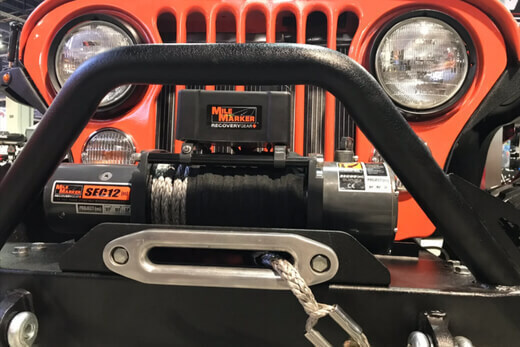
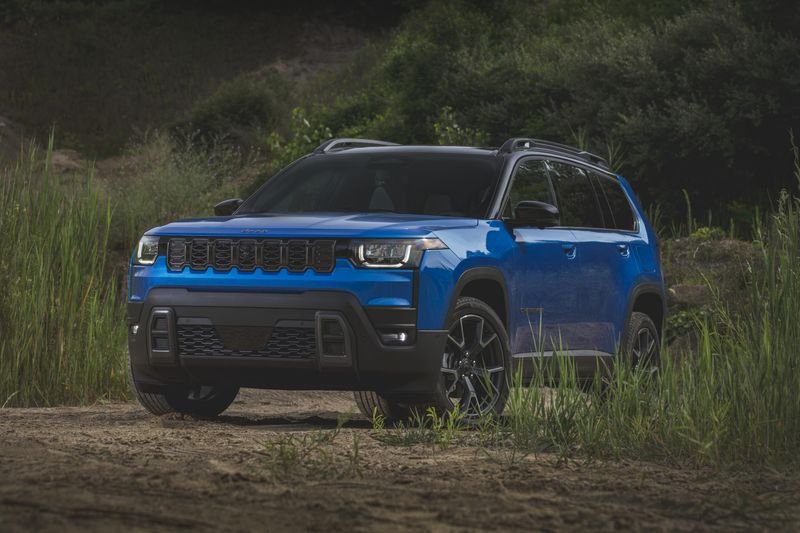
Installing a winch on your Jeep is one of the best upgrades for off-road adventure. A winch helps you recover from mud, sand, or tough trails, and gives extra confidence when exploring remote areas.
Many people worry the process is too technical, but with clear steps and careful planning, you can install a winch safely even if you’re new to Jeep modifications.
Choosing The Right Winch
Before starting, picking the right winch is important. The most common mistake is buying a winch that’s too weak. Experts recommend a winch rated for at least 1.5 times your Jeep’s weight. For example, a Jeep Wrangler weighing 4,000 lbs should use a 6,000 lbs winch or higher. Most Jeep owners choose winches between 8,000–12,000 lbs.
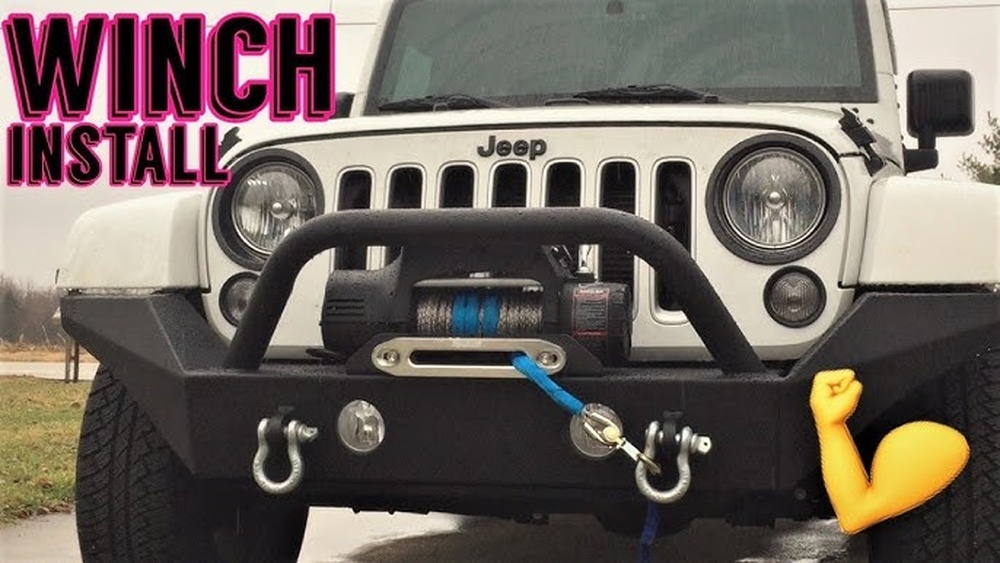
Other factors to consider:
- Synthetic rope vs steel cable: Synthetic is lighter and safer, but steel is more durable.
- Waterproof rating: Essential if you drive through streams or mud.
- Remote control options: Wireless remotes make operation easier.
Here’s a quick comparison of winch types:
| Winch Type | Pros | Cons |
|---|---|---|
| Synthetic Rope | Lightweight, safer, easy to handle | Can fray, needs more care |
| Steel Cable | Very strong, resistant to abrasion | Heavy, can rust, more dangerous if breaks |
Preparing Your Jeep
Proper preparation is often overlooked. Make sure your Jeep’s battery is healthy, since winches use a lot of power. Also, check your bumper—it must be winch-ready or have a winch plate. If your bumper isn’t compatible, you’ll need an aftermarket winch mount.
Tools you’ll need:
- Socket set and wrenches
- Drill and bits (if holes are needed)
- Torque wrench
- Screwdrivers
- Wire cutters and electrical tape
Take a few minutes to clean the front bumper area. Dirt and rust can affect mounting. Gather all parts—winch, mounting plate, bolts, wiring kit, and remote—before starting.
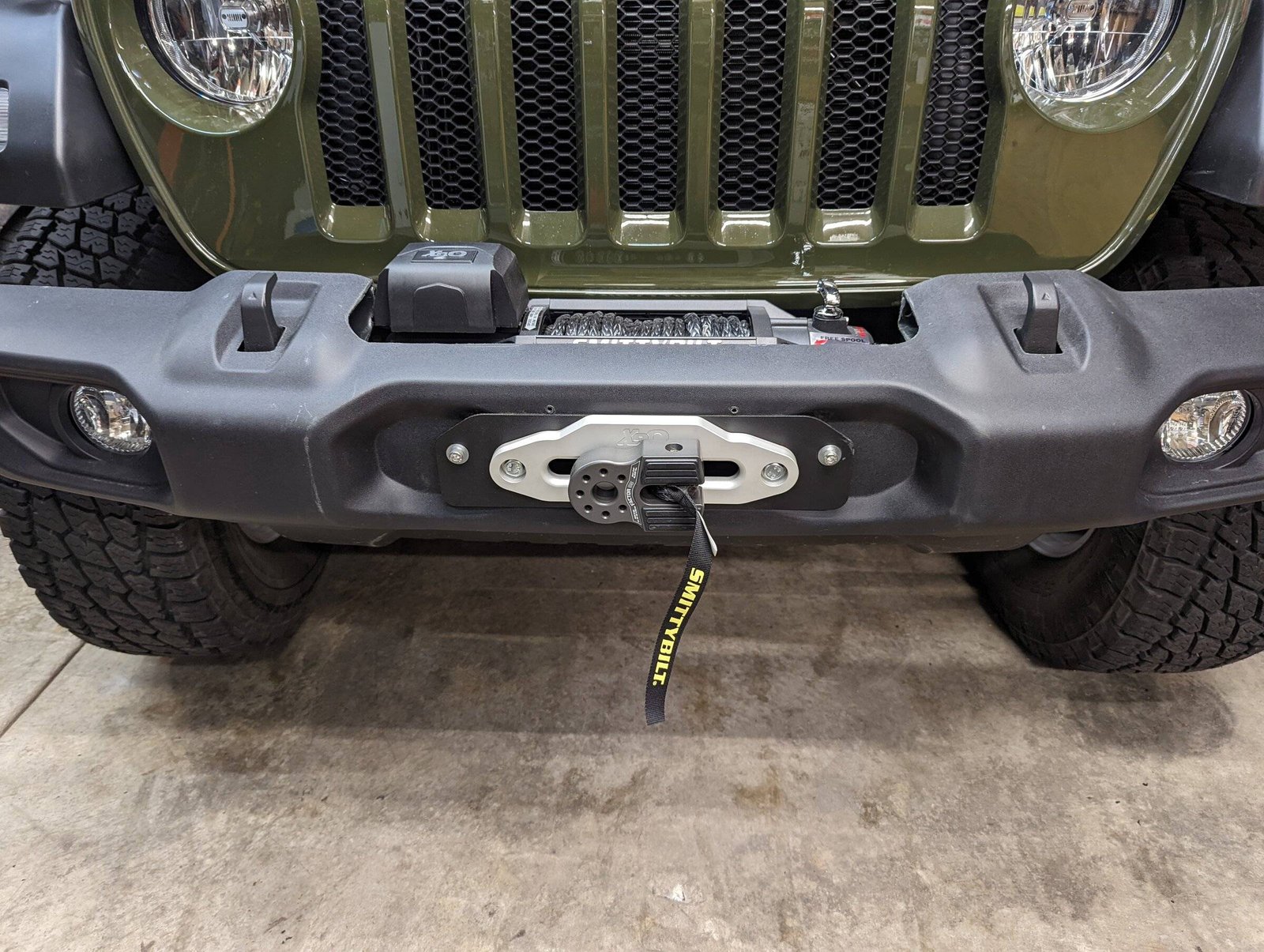
Step-by-step Installation
1. Mounting The Winch Plate
Place the winch mounting plate on the bumper. Align holes and secure with bolts. If holes don’t match, mark and drill new ones. Tighten bolts to the manufacturer’s torque specs.
2. Attaching The Winch
Lift the winch onto the plate. It’s heavy ask a friend for help.
Line up the winch holes with the plate holes, insert bolts, and tighten. Most winches have four mounting bolts.
3. Wiring The Winch
Connect the winch power cables to the battery. Usually, there are two thick cables—red (positive) and black (negative). Route cables away from hot or moving parts. Secure cables with zip ties.
Attach the solenoid box (control unit) near the winch or under the hood. Connect the box to the winch motor and battery. Follow the winch’s wiring diagram carefully. Incorrect wiring can cause short circuits.
4. Installing The Fairlead
The fairlead guides the rope or cable. Bolt the fairlead to the front of the plate. Use the right bolts and washers. For synthetic rope, use a hawse fairlead; for steel cable, use a roller fairlead.
5. Spooling The Rope
Unwind the rope or cable fully. Attach the hook securely.
Slowly spool the rope back onto the drum, keeping tension on the line. This prevents tangling and uneven layers.
6. Testing The Winch
Double-check all bolts and wiring. Start the Jeep and test the winch with the remote.
Run the winch in and out. Listen for strange sounds.
If the winch doesn’t work, check battery connections and fuses.
Here’s a summary table of installation steps and estimated times:
| Step | Time Needed | Tip |
|---|---|---|
| Mount plate | 30 mins | Use anti-rust spray |
| Attach winch | 20 mins | Lift with two people |
| Wire winch | 40 mins | Follow diagram closely |
| Install fairlead | 10 mins | Check bolt size |
| Spool rope | 15 mins | Keep tension |
| Test winch | 10 mins | Check all functions |
Total installation time: 2–3 hours for most beginners.
Common Mistakes And Extra Tips
Many Jeep owners rush the wiring step. Improper wiring can lead to battery drain or electrical fires. Always disconnect the battery before starting. Another mistake is using weak mounting bolts—never reuse old or worn bolts.
If you plan to use your winch often, upgrade your battery to a deep cycle model. This helps prevent power loss. Also, consider a winch isolator switch, which cuts power when not in use and prevents accidental activation.
Here are two insights that save trouble:
- Torque each bolt properly. Under-tightened bolts can loosen on rough trails; over-tightened bolts can strip threads.
- Check local regulations. Some areas require winch covers or limit cable types for safety.
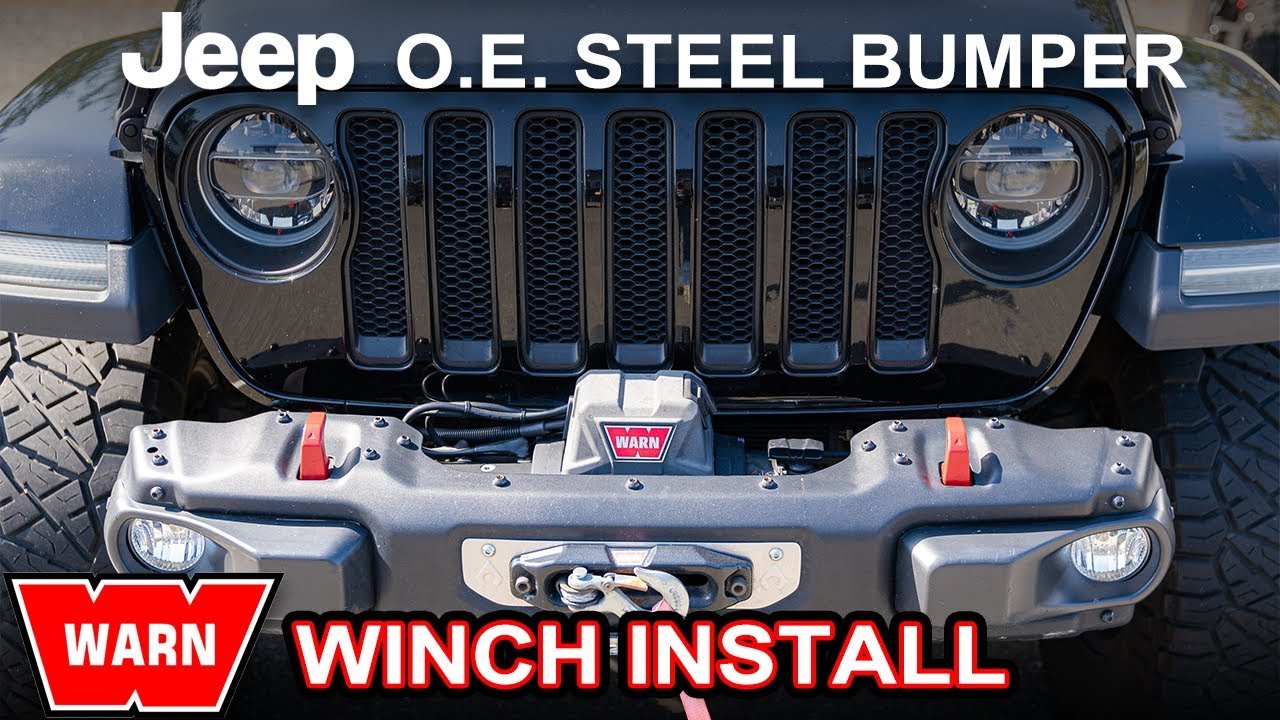
Maintenance After Installation
A winch needs regular care. Every month, check the rope for frays, clean connectors, and test the winch.
For steel cables, use gloves when handling. Lubricate moving parts as recommended by the manufacturer. Keep the remote and solenoid dry.
Here’s a quick maintenance comparison:
| Maintenance Task | Synthetic Rope | Steel Cable |
|---|---|---|
| Inspect for damage | Monthly | Monthly |
| Clean rope/cable | Wash with water | Wipe, oil lightly |
| Lubricate drum | As needed | As needed |
| Replace if frayed | Immediately | Immediately |
Frequently Asked Questions
How Much Does A Winch Installation Cost?
Most shops charge $200–$400 for labor. DIY installation is cheaper, but you’ll need tools and patience.
Can I Install A Winch Without A Winch-ready Bumper?
You need a winch plate or compatible bumper. Some plates fit stock bumpers, but many Jeeps need an aftermarket bumper.
Is A Synthetic Rope Safer Than A Steel Cable?
Yes, synthetic rope is lighter and snaps with less force. Steel cables can be dangerous if they break.
Will A Winch Drain My Battery?
A winch uses a lot of power, but short pulls are fine with a healthy battery. Upgrade to a deep cycle battery for frequent use.
Where Can I Find Winch Wiring Diagrams?
Most brands include diagrams in the manual. You can also find guides at Warn Industries, a trusted winch manufacturer.
Installing a winch on your Jeep opens up more adventure and brings peace of mind. With careful planning and the right tools, you can finish the job in one afternoon.
Always follow safety steps and maintain your winch for reliable performance.
Whether you’re tackling deep mud or rocky trails, your winch will help you get home safely.