Installing a snorkel on your Jeep is one of the smartest upgrades for anyone who loves off-road adventures. A snorkel lets your engine breathe cleaner air, especially during water crossings or dusty trails.
It protects your Jeep from damage and keeps it running strong in tough conditions.
For many Jeep owners, adding a snorkel is not just about style it’s about performance and safety.
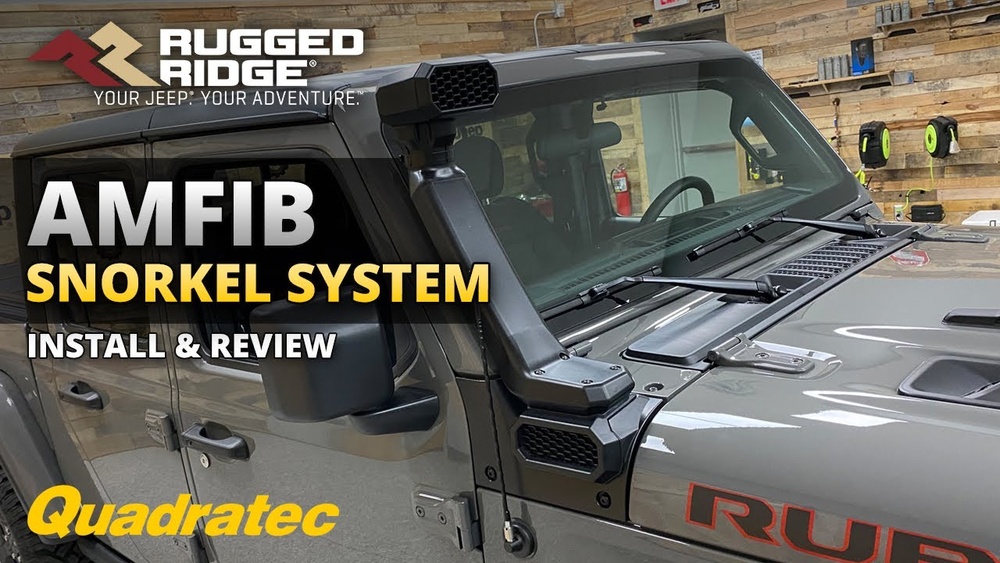
If you’ve wondered how to install a snorkel on a Jeep, this guide will help you do it right, even if you’re new to vehicle modifications.
Why Install A Snorkel On Your Jeep?
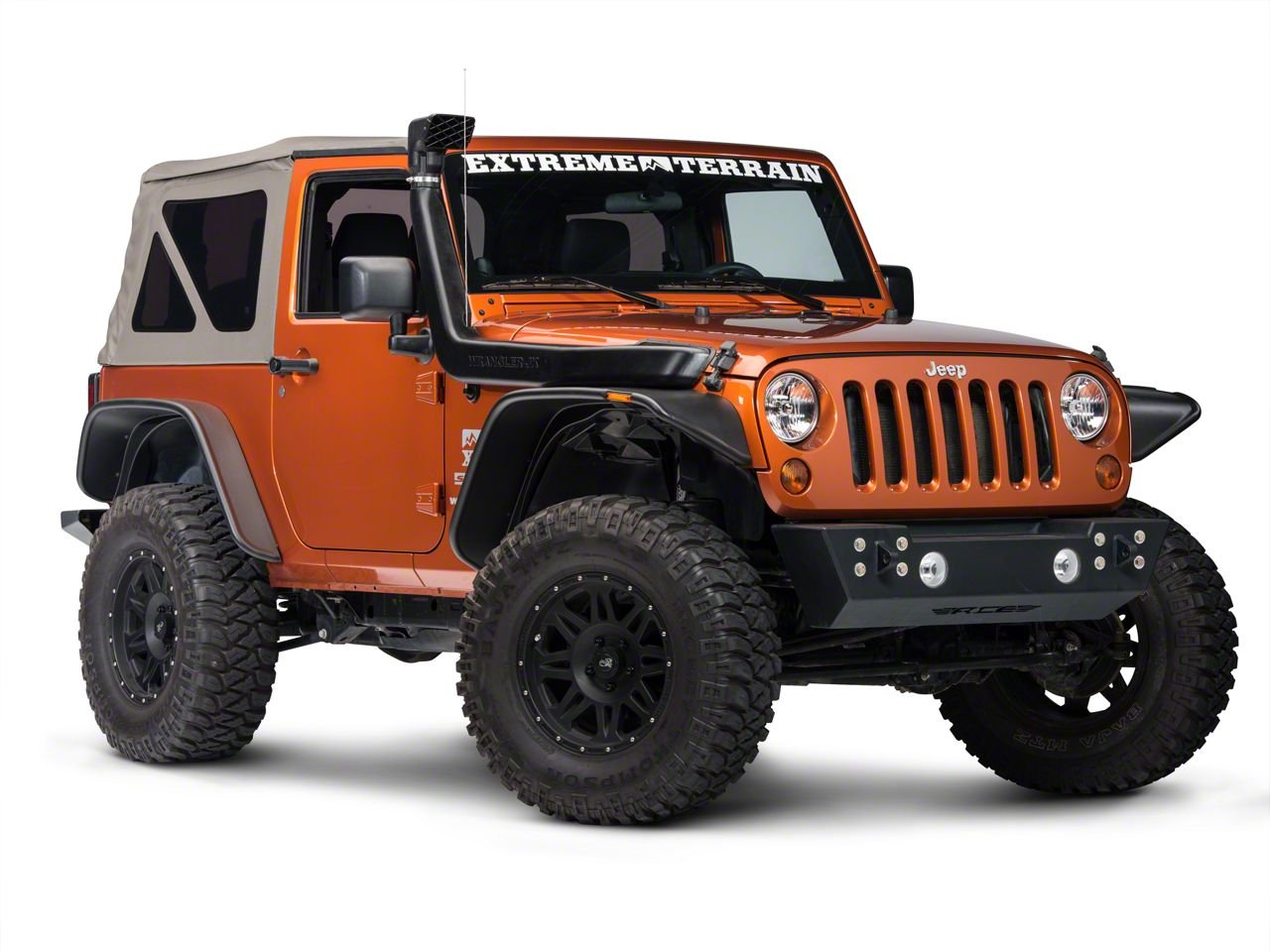
A snorkel raises your Jeep’s air intake above the hood, often close to the roofline. This simple change can offer big benefits:
- Protection during water crossings: Prevents water from entering the engine.
- Cleaner air intake: Reduces dust and debris, especially when driving off-road.
- Better performance: Keeps your engine running smoothly in harsh environments.
According to off-road experts, a properly installed snorkel can decrease the risk of hydrolock by over 80%. Many Jeep owners report improved engine life and fewer air filter changes after adding a snorkel.
Tools And Materials Needed
Before starting, gather these essential tools and parts:
- Snorkel kit (designed for your Jeep model)
- Drill and drill bits
- Hole saw (often 95mm or as specified)
- Socket wrench set
- Screwdriver
- Silicone sealant
- Masking tape
- Marker
- Safety glasses and gloves
Check your kit for all hoses, brackets, and hardware. Missing parts can slow down your install and cause leaks later.
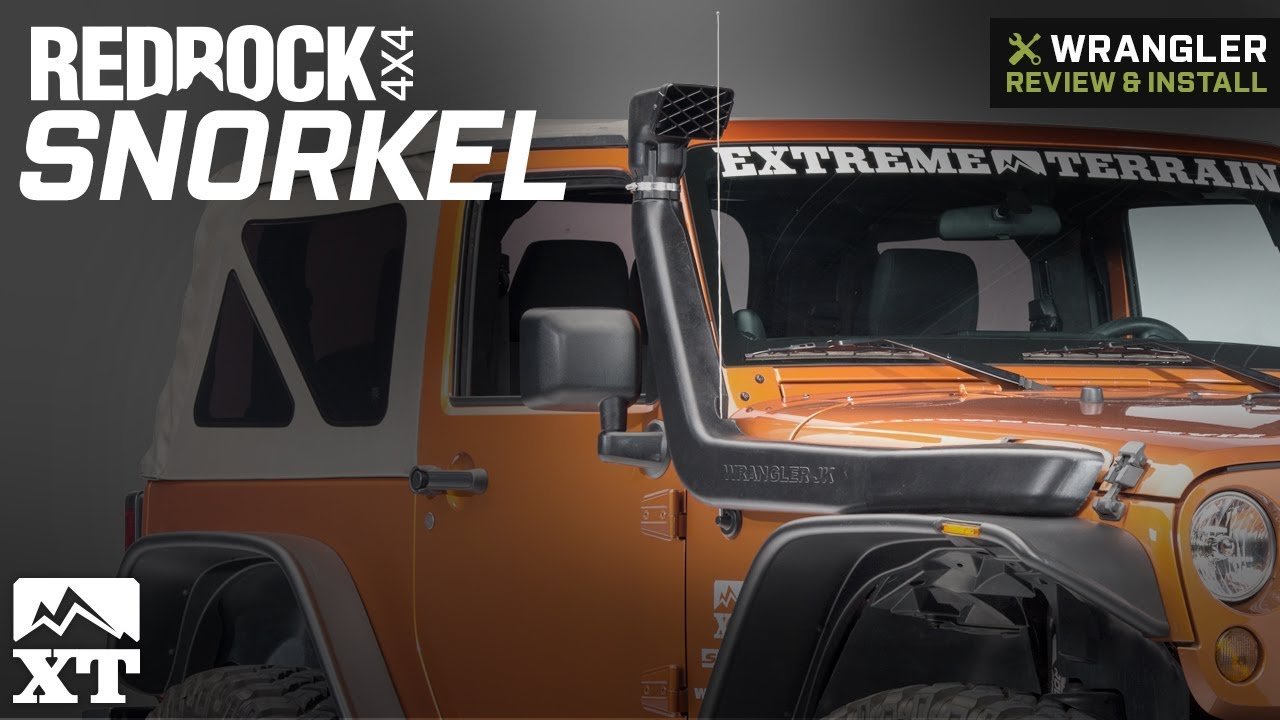
Preparing Your Jeep
Preparation is key for a safe and clean install. Here’s what to do:
- Park safely: Choose a flat, well-lit area. Turn off the engine and let it cool.
- Remove the fender: Most snorkel kits require removing the passenger-side front fender. Use your socket wrench to take off bolts.
- Clean the area: Wash and dry the fender and surrounding panels. Dirt can cause poor sealing.
A common beginner mistake is not checking for wiring or hoses behind the fender before drilling. Always inspect before you start cutting.
Step-by-step Installation Guide
Let’s break down the main steps to install a snorkel on your Jeep. These steps apply to most models, but always check your kit’s instructions.
- Position the template: Most kits include a template. Tape it to the fender, aligning with the air intake. Mark drill holes and the main snorkel opening.
- Drill pilot holes: Use a small drill bit to make pilot holes for mounting bolts.
- Cut the main hole: With a hole saw, cut the snorkel opening in the fender. Wear safety glasses and go slowly to avoid jagged edges.
- Test fit the snorkel: Hold the snorkel in place to check alignment. Adjust the hole if needed.
- Install mounting brackets: Attach brackets as shown in your kit’s instructions. Tighten bolts securely.
- Seal the edges: Apply silicone sealant around the cut edge to prevent leaks. Let it dry before mounting the snorkel.
- Attach the snorkel: Place the snorkel onto the fender and secure it with bolts. Double-check all connections.
- Connect hoses: Link the snorkel to your air intake using the provided hoses and clamps. Make sure there are no gaps.
- Reinstall the fender: Put the fender back, tightening all bolts.
- Check your work: Start the engine and listen for air leaks. Spray soapy water around seals—bubbles mean leaks.
Here’s a comparison of typical installation times based on experience:
| Experience Level | Estimated Time | Common Issues |
|---|---|---|
| Beginner | 3-4 hours | Misaligned holes, missing seals |
| Intermediate | 2-3 hours | Minor alignment errors |
| Expert | 1-2 hours | Rare, usually none |
Common Mistakes And How To Avoid Them
Many first-time installers make errors that can cause leaks or damage. Here are two mistakes that often go unnoticed:
- Not sealing properly: If you skip the silicone or rush the drying, water can sneak into your engine.
- Incorrect hose length: Some kits require trimming hoses. If you cut too short, you’ll get gaps and lose performance.
Always double-check your measurements and seals. If unsure, search for model-specific install videos or forums.
Snorkel Brands: What’s The Difference?
There are many snorkel brands, but not all are equal. Here’s a quick comparison:
| Brand | Material | Warranty | Average Price |
|---|---|---|---|
| Safari | UV-stable plastic | Lifetime | $350 |
| Rugged Ridge | High-density plastic | 5 years | $250 |
| Aussie Air | Polyethylene | 3 years | $180 |
Safari is popular for its strong warranty and fit. Rugged Ridge is budget-friendly but sometimes needs extra trimming. Choose based on your driving style and budget.
After Installation: Care And Testing
Once your snorkel is installed, regular maintenance is important:
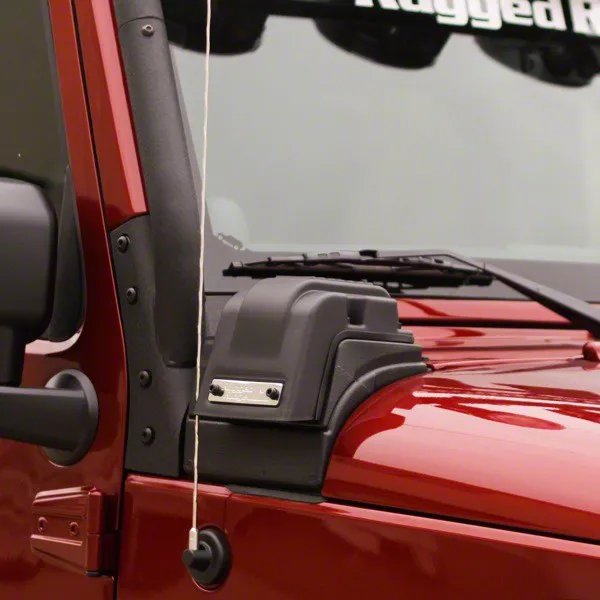
- Inspect seals: Every few months, check for cracks or loose connections.
- Clean the snorkel head: Remove debris, insects, or mud.
- Check air filter: Replace the filter if it looks dirty after heavy off-roading.
Testing your snorkel before deep water crossings is smart. Spray water around the intake while the engine runs.
If you see bubbles or hear hissing, fix the seals before your next trip.
Real-world Example
A Jeep owner in Colorado reported that after installing a snorkel, their engine survived a 30-inch water crossing with no issues. Before the snorkel, water entered the air intake during similar crossings, causing expensive repairs.
This shows how a simple upgrade can save thousands in engine costs.
For more technical details on snorkels and air intake systems, check out Wikipedia.
Frequently Asked Questions
How Does A Snorkel Help During Water Crossings?
A snorkel raises the air intake, so water is less likely to reach the engine. This protects your Jeep from hydrolock and costly repairs.
Can I Install A Snorkel Myself, Or Do I Need A Mechanic?
Most Jeep snorkel kits are DIY-friendly. If you follow instructions and use the right tools, you can install it yourself. If you’re not comfortable cutting into your fender, a mechanic can help.
Does A Snorkel Increase Horsepower?
A snorkel does not boost horsepower. It keeps air cleaner and drier, which helps engine performance in tough conditions, but it won’t make your Jeep faster.
Will A Snorkel Void My Jeep’s Warranty?
Most snorkel kits do not void the warranty if installed correctly. Check your Jeep’s warranty terms or ask your dealer before making modifications.
Are All Snorkels Compatible With Any Jeep Model?
No, snorkels are model-specific. Always buy a kit designed for your exact Jeep year and model for proper fit and performance.
Installing a snorkel on your Jeep is a smart upgrade for anyone who loves adventure. With the right tools and careful steps, you can protect your engine and enjoy off-road trips with confidence.
Remember to check your work, test seals, and choose a quality kit.
Whether you’re crossing rivers or tackling dusty trails, a snorkel will keep your Jeep breathing easy for years to come.


















