Swapping out your Jeep’s soft top can feel intimidating at first. But with the right steps and some patience, it’s a task most owners can tackle in their driveway.
A new soft top not only freshens the look of your Jeep but also improves weather protection and road comfort.
This guide will walk you through everything you need to know to install a new Jeep soft top, whether you’re upgrading for style, replacing a worn-out top, or switching between summer and winter setups.
Tools And Materials Needed
Before you start, gather these items to make the process smoother:
- New Jeep soft top (ensure it matches your model and year)
- Ratchet set and screwdrivers
- Safety glasses and gloves
- Clean microfiber towels
- Silicone spray (for zippers and hardware)
- Friend or helper (recommended, but not essential)
Most soft tops come with installation hardware, but always double-check your kit before starting. Missing fasteners can stop your progress.
Removing The Old Soft Top
Taking off the old top is your first step. This process is straightforward, but care is needed to avoid damaging your Jeep or the hardware.
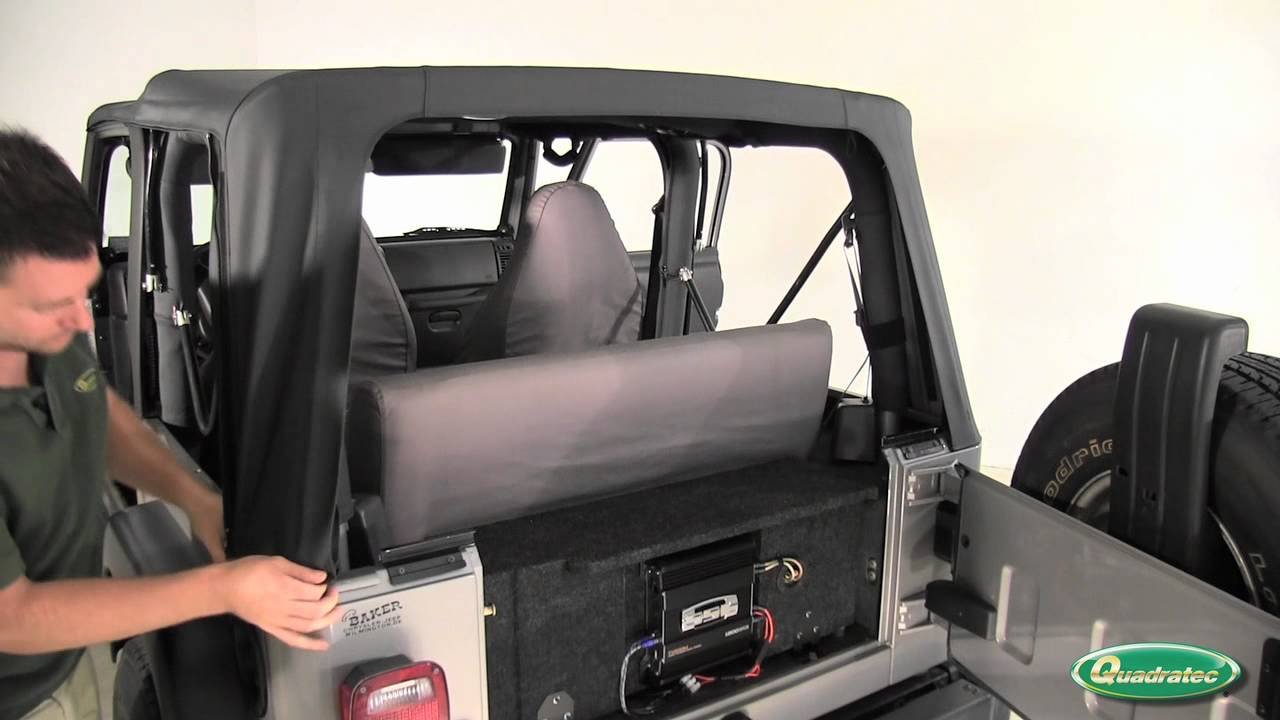
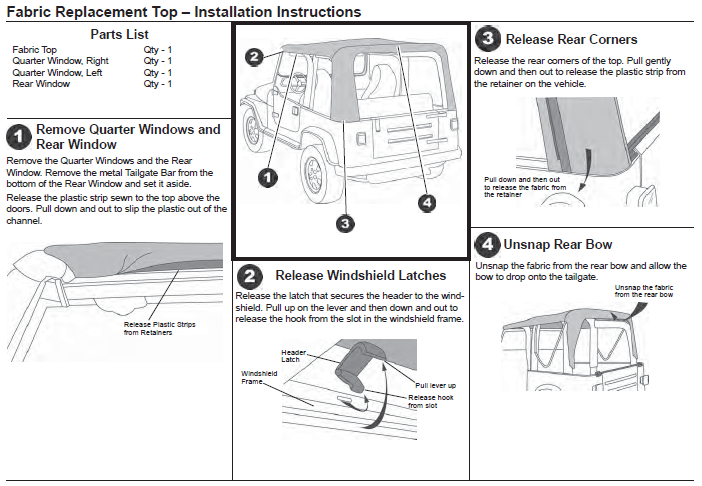
- Unzip and detach all windows: Start with the rear window, then the side windows. Place them on a clean towel to avoid scratches.
- Release the soft top from the frame: Most models use clips or Velcro at the sides and rear corners. Undo these gently.
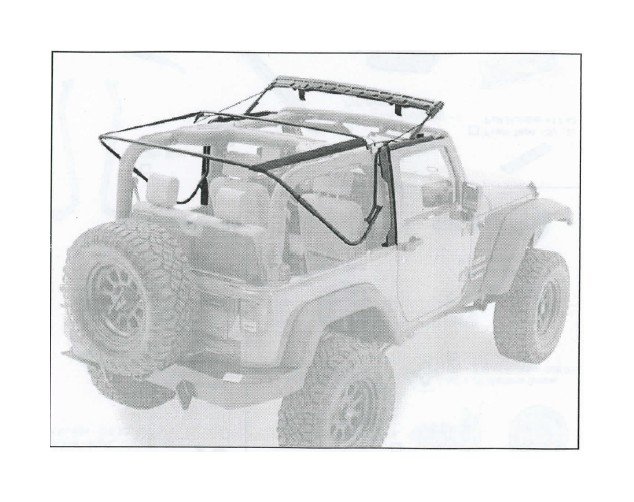
- Remove the frame (if your new top has a new frame): Use a ratchet to unscrew bolts holding the frame to the Jeep’s body.
- Inspect for rust or damage: Check the roll bars and mounting points. Address any issues before installing the new top.
Common Mistake
Many first-timers try to rush the removal step and end up bending the frame or tearing the old top. Take your time patience saves money.
Preparing For The New Soft Top
Preparation is a step many overlook, but it can make a big difference in the final result.
- Clean the mounting areas: Use a microfiber towel to wipe down all surfaces where the new top will attach.
- Lubricate zippers and hardware: Spray silicone on moving parts for smooth operation.
- Lay out all parts: Organize the new top, windows, and hardware. Verify instructions match your Jeep model.
Example: Comparing Soft Top Materials
Choosing the right material affects durability and appearance. Here’s a quick look at common options:
| Material | Durability | Noise Level | Weather Resistance |
|---|---|---|---|
| Vinyl | Good | Higher | Moderate |
| Twilled Fabric | Excellent | Lower | High |
| Denim | Average | Medium | Moderate |
Vinyl is more affordable but can get noisy on highways. Twilled fabric costs more but offers better weather protection and quieter rides.
Installing The New Soft Top
Now comes the main event. Follow these general steps (consult your specific instructions for details):
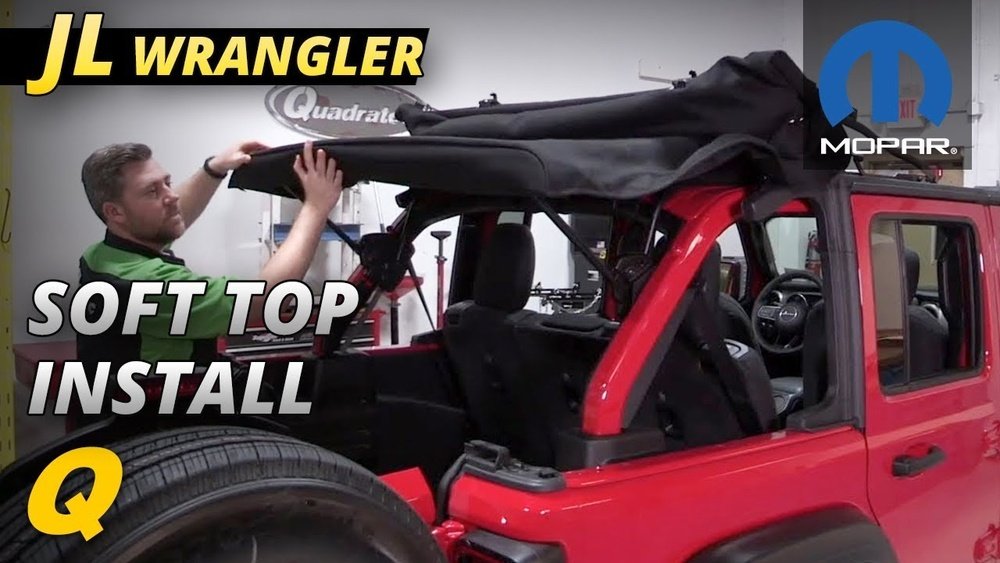
- Assemble or attach the frame: If your kit has a new frame, bolt it to the Jeep using the supplied hardware. Tighten bolts firmly but do not overtighten.
- Secure the main top fabric: Stretch the top over the frame, starting from the front header and working back. Attach using latches, Velcro, or clips as required.
- Install side and rear windows: Slide the windows into place along the rails or zippers. Make sure they seal tightly against the body.
- Fasten all straps and snaps: These help keep the top taut and prevent flapping at speed.
- Check alignment and tension: Look for wrinkles or loose spots and adjust as needed.
Data: Typical Installation Times
How long should this take? Here’s a realistic breakdown by experience level:
| Experience Level | Time Needed |
|---|---|
| Beginner | 2-3 hours |
| Intermediate | 1.5-2 hours |
| Expert | 1 hour |
New tops can feel tight. If you install on a warm, sunny day, the material stretches more easily.
Final Checks And Tips
Once installed, a few final steps will help your new top last longer and look better.
- Double-check all fasteners: Loose bolts or snaps can cause leaks or rattles.
- Test for leaks: Spray water over the top and inspect inside for drips.
- Protect the fabric: Use a UV-protectant spray made for soft tops.
- Roll windows carefully: Avoid creasing or folding clear plastic windows.
- Store the old top properly: If you plan to reuse it, keep it in a cool, dry place.
Example: Comparing Hard Top Vs Soft Top
Some Jeep owners debate between a hard top and a soft top. Here’s a quick side-by-side:
| Feature | Soft Top | Hard Top |
|---|---|---|
| Weight | Light | Heavy |
| Ease of Removal | Easy | Difficult |
| Security | Lower | Higher |
| Cost | Less | More |
Soft tops offer more flexibility and are ideal for open-air driving, while hard tops provide greater security and insulation.
Frequently Asked Questions
How Do I Know If A Soft Top Fits My Jeep?
Check your Jeep’s model year and body style (like Wrangler JK or JL). Most soft tops are model-specific. Confirm part numbers with your dealer or the manufacturer.
Can I Install A Jeep Soft Top Alone?
You can, but having a helper makes it easier—especially when stretching the fabric or holding the frame in place.
How Do I Care For My New Soft Top?
Wash with mild soap and water. Avoid harsh chemicals. Apply UV protectant to prevent fading, and keep zippers clean and lubricated.
What If My New Soft Top Is Too Tight?
This is common. Leave the top in the sun for an hour before installation; the heat makes it more flexible.
It will stretch and fit better over time.
Where Can I Find Detailed Installation Videos?
Many manufacturers and Jeep forums offer step-by-step guides. For trusted information, visit the official Jeep website.
Swapping your Jeep’s soft top is a satisfying upgrade that gives your ride a fresh look and improves your driving experience. With careful preparation and attention to detail, you can complete the job confidently even if it’s your first time.