Driving a Jeep Wrangler is an adventure, but many owners notice that gas mileage isn’t its strongest point. If you’re hoping to save money at the pump and go further on each tank, you’re not alone. Jeep Wranglers are known for their rugged style and off-road performance, but their boxy shape and heavier build mean they often use more fuel than other SUVs. The good news? There are practical ways to boost your Wrangler’s miles per gallon (mpg) without losing its signature style or power. Let’s look at proven tips, common mistakes, and clever upgrades to help you get the most out of every gallon.
Understand Your Wrangler’s Mpg
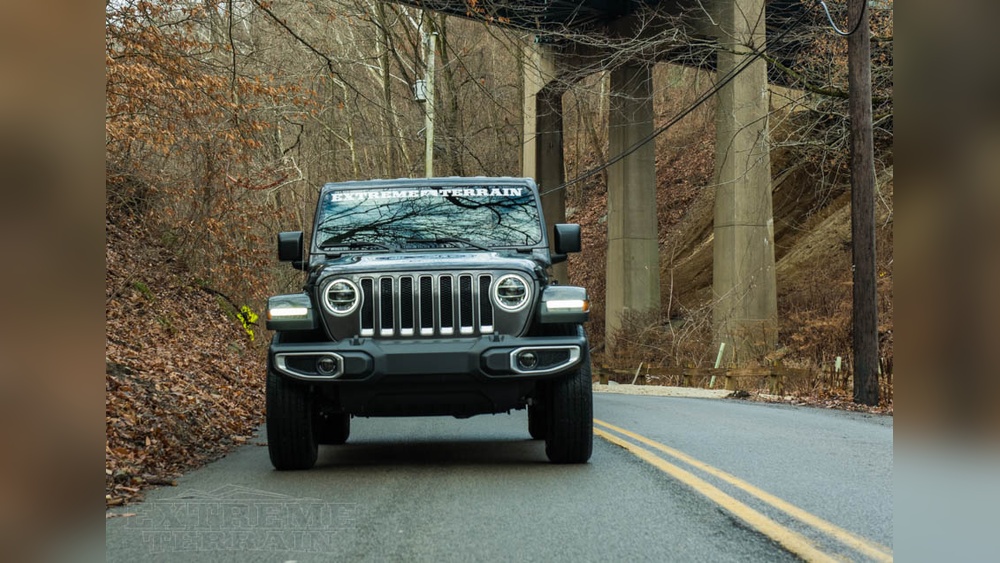
Jeep Wrangler models have different mpg ratings. For example, a 2021 Wrangler with a 3.6L V6 averages about 17 mpg city and 23 mpg highway, while the newer 2.0L turbo can reach about 22 mpg city and 24 mpg highway. Lift kits, larger tires, and extra gear can bring these numbers down quickly.
Here’s a quick comparison of mpg for common Wrangler engine options:
| Model Year | Engine | City MPG | Highway MPG |
|---|---|---|---|
| 2021 | 3.6L V6 | 17 | 23 |
| 2021 | 2.0L Turbo | 22 | 24 |
| 2021 | 3.0L Diesel | 22 | 29 |
Knowing your starting point helps measure improvements after making changes.
Driving Habits That Improve Mpg
Small changes in how you drive can make a big difference. Many drivers overlook these habits, but they’re easy to apply every day:
- Accelerate slowly – Hard starts burn more fuel.
- Keep a steady speed – Use cruise control on highways if possible.
- Avoid long idling – Turn off your engine if you’re waiting more than a minute.
- Plan routes – Combine errands to avoid extra trips.
A smooth driving style can boost fuel efficiency by up to 15% compared to aggressive driving.
Lighten The Load And Remove Drag
Extra weight and wind resistance lower your Jeep’s mpg. Many owners forget about the impact of what they carry:
- Remove roof racks when not in use. They create drag and can reduce highway mpg by 2-3.
- Empty your trunk. Heavy gear, tools, or unused items weigh your vehicle down.
Even a spare tire carrier with big off-road tires adds both weight and drag. Only keep what you need for daily driving.
Tires: Size, Pressure, And Type
Tires have a huge impact on fuel economy. Here’s what to watch:
| Tire Factor | Effect on MPG |
|---|---|
| Large off-road tires | -2 to -5 mpg |
| Underinflated tires | -1 mpg (or more) |
| Highway/all-terrain tires | +1 to +2 mpg |
- Check tire pressure every two weeks. Low pressure increases rolling resistance.
- If you don’t off-road often, consider all-terrain tires instead of mud tires.
- Stick close to the factory tire size for best mpg.
Most people don’t realize that just a 5 psi drop in tire pressure can reduce fuel efficiency by up to 10%.

Maintenance Makes A Difference
A well-maintained Wrangler runs more efficiently. Many drivers delay basic checks, but regular care pays off:
- Change engine oil on schedule. Use the grade recommended in your owner’s manual.
- Replace air filters. A dirty filter reduces airflow and mpg.
- Check spark plugs. Worn plugs can drop fuel economy by up to 3%.
- Align your wheels. Poor alignment increases drag.
Even small issues, like a loose gas cap, can let fuel evaporate and lower mpg.
Smart Upgrades For Better Mpg
Some upgrades cost money but give real returns at the pump. Here’s how they compare:
| Upgrade | Estimated MPG Gain | Cost Range |
|---|---|---|
| Cold air intake | +1 mpg | $200-$400 |
| Low-rolling-resistance tires | +1-2 mpg | $500-$900 |
| Programmer/tuner | +1-2 mpg | $250-$600 |
A cold air intake can help the engine “breathe” better. Programmers (ECU tuners) allow you to adjust the engine for efficiency. Not all upgrades work with every Wrangler, so check your model before buying.
Fuel Choices And Additives
Using premium fuel in a Wrangler that needs only regular won’t boost mpg—in fact, it’s just a waste of money. Stick with the recommended octane. Some owners try fuel additives, but results are mixed and often small.
What does help is using top-tier gasoline (from trusted brands). These fuels have detergents to keep your engine clean, which can help mpg over time. For more on this, see the Top Tier Gasoline website.
Aerodynamic Tweaks
The Wrangler’s flat windshield and boxy body create wind resistance. While you can’t change the shape, you can:
- Keep windows closed at high speeds.
- Remove unnecessary light bars or off-road accessories when not needed.
- Use a soft top in summer—sometimes it’s lighter than a hardtop.
These small steps add up, especially on highway trips.
What Most People Forget
Many owners focus on big changes but miss the basics. One non-obvious tip: regularly check your gas cap for a tight seal. A loose or faulty cap lets fuel vapor escape, hurting efficiency. Another tip: avoid short trips if possible. Engines use more fuel before they fully warm up, so combining errands saves both time and gas.
Frequently Asked Questions
How Much Can I Realistically Improve My Jeep Wrangler’s Mpg?
Most drivers can see a 2-5 mpg improvement with better habits, regular maintenance, and a few upgrades. Results depend on starting mpg, driving style, and how much you carry.
Do Lift Kits And Bigger Tires Always Lower Mpg?
Yes, both add weight and increase wind resistance. Even a 2-inch lift with large tires can cut mpg by 2-4.
Choose lifts and tires wisely if fuel economy matters.
Does Using Cruise Control Help Mpg In A Wrangler?
On highways, cruise control keeps your speed steady and usually helps mpg. On hilly or rough roads, it can sometimes shift too much and use more fuel.
No, unless your Wrangler specifically requires it. Use the octane level listed in your manual.
Premium gas doesn’t clean your engine or boost mpg in engines designed for regular.
Are Fuel Additives Worth It For Jeep Wranglers?
Most don’t make a big difference in mpg. Some can help clean older engines, but regular use of top-tier gasoline is more important for efficiency.
Saving fuel in your Jeep Wrangler isn’t about just one trick it’s about combining better habits, regular care, and smart choices. With a few changes, you’ll spend less time (and money) at the gas station, and more time enjoying the drive.