Owning a Jeep Wrangler means embracing adventure, but many drivers crave even more power under the hood. Whether you want to conquer steep trails or improve on-road acceleration, increasing your Wrangler's horsepower can deliver a more exciting drive.
However, boosting performance involves more than just slapping on new parts. It requires understanding how your engine works, choosing upgrades wisely, and balancing power with reliability.
This guide explains proven ways to raise horsepower in your Jeep Wrangler, including cost, effectiveness, and what beginners often overlook.
Understanding Horsepower In Jeep Wranglers
Horsepower measures how fast your engine can do work. For Jeep Wranglers, factory horsepower varies by model and year.
For example, the 2021 Wrangler 3. 6L Pentastar V6 produces 285 horsepower, while the 2.
0L turbo makes 270. Because Wranglers focus on off-road torque, they aren’t tuned for high horsepower from the start.
Many owners believe small bolt-ons will give huge gains, but real improvements require a combination of upgrades and proper tuning. Before modifying, check your warranty—some upgrades can void coverage.
Best Ways To Increase Horsepower
1. Install A Performance Cold Air Intake
A cold air intake replaces the stock airbox with a larger, free-flowing filter. This allows your engine to breathe cooler, denser air for better combustion. Gains are typically 5-10 horsepower. While the increase is modest, throttle response feels sharper. Choose intakes designed for your Wrangler’s year and engine for the best fit.
2. Upgrade The Exhaust System
A cat-back exhaust (from the catalytic converter back) reduces backpressure and helps the engine expel exhaust gases more efficiently. This can provide 5-15 horsepower, plus a deeper, more aggressive sound. High-flow catalytic converters add a bit more power, but check local emissions laws before changing them.
3. Ecu Tuning (programmer/chip)
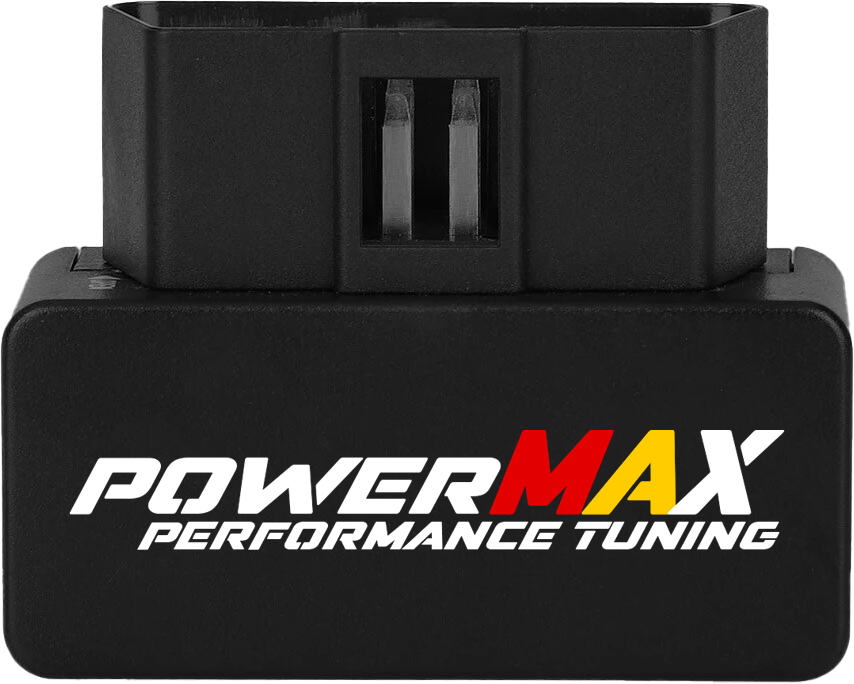
Modern Wranglers use an ECU (Engine Control Unit) to manage fuel, timing, and air. Aftermarket tuners or programmers can re-map the ECU for more aggressive settings, unlocking 10-30 horsepower depending on supporting mods. Tuning is one of the most cost-effective upgrades, but always use a reputable brand to avoid engine damage.
4. Add A Forced Induction System
Superchargers and turbochargers force more air into the engine, dramatically raising horsepower—often by 40% or more. For example, a supercharged 3.6L Wrangler can make over 400 horsepower. However, forced induction is expensive ($5,000+), requires professional installation, and can stress stock engine components.
5. Install Performance Headers
Factory exhaust manifolds restrict flow. Performance headers are designed to move exhaust gases faster, improving horsepower and torque. Gains range from 10-20 horsepower, especially when combined with other exhaust mods.
6. Performance Throttle Body
A larger throttle body increases airflow into the intake manifold. This upgrade is most effective when paired with a cold air intake and tuned ECU. Expect 5-10 horsepower and better throttle sensitivity.
7. Lightweight Pulleys And Flywheel
Reducing rotational weight helps the engine rev faster. Aftermarket pulleys or a lightweight flywheel can free up a few horsepower, but the effect is more noticeable in throttle response than peak power.
Comparing Popular Horsepower Upgrades
Here’s how different upgrades stack up for the Jeep Wrangler:
| Upgrade | Estimated HP Gain | Cost (USD) | Difficulty |
|---|---|---|---|
| Cold Air Intake | 5-10 | $200-$500 | Easy |
| Cat-back Exhaust | 5-15 | $400-$1,200 | Easy |
| ECU Tune | 10-30 | $400-$900 | Moderate |
| Supercharger | 80-120 | $5,000-$8,000 | Hard |
Balancing Power With Reliability
Boosting horsepower can stress your Wrangler’s engine, transmission, and cooling system. It’s easy to overlook these factors:
- Cooling upgrades: More power creates more heat. Consider a larger radiator or upgraded fans.
- Transmission tuning: Extra power can wear out stock transmissions. Some tuners offer transmission remaps for smoother shifting.
- Fuel quality: Higher octane fuel may be needed after tuning or forced induction.
A common beginner mistake is adding power without upgrading supporting parts. For example, adding a supercharger without stronger axles or a better cooling system can lead to breakdowns.
Professional Vs. Diy Installation
Some upgrades like intakes or exhausts are simple enough for a home mechanic with basic tools. More complex mods (like forced induction or ECU tuning) often require professional installation.
Mistakes can cause engine damage or void your warranty.
Use this table to decide when you need a pro:
| Upgrade | DIY Friendly? | Professional Needed? |
|---|---|---|
| Cold Air Intake | Yes | No |
| ECU Tune | Sometimes | Recommended |
| Supercharger | No | Yes |
| Headers | No | Yes |
Non-obvious Insights For Beginners
- Weight reduction: Removing heavy accessories or using lightweight wheels can improve acceleration just as much as some engine mods.
- Tire size matters: Large off-road tires look great but can sap power. If you upgrade horsepower, consider re-gearing your axles to match.
Many beginners focus only on engine upgrades, forgetting that drivetrain, tires, and even aerodynamics all affect real-world performance.
Legal And Emissions Considerations
Some horsepower mods can make your Jeep illegal for street use, especially in states with strict emissions laws like California. Always check local regulations before installing headers, high-flow cats, or tuners.
Using emissions-legal parts avoids fines and failed inspections.
Wrapping Up
Increasing horsepower in your Jeep Wrangler is possible, but the best approach mixes bolt-on upgrades, careful tuning, and supporting modifications. Start with intake and exhaust changes for small gains, or go further with ECU tuning and forced induction if you want big power. Always balance performance with reliability, and don’t forget about legal requirements. With smart choices, your Wrangler can deliver even more excitement on every drive.
If you want to learn more about the science behind horsepower and vehicle tuning, visit the Wikipedia page on horsepower.
Frequently Asked Questions
How Much Horsepower Can I Realistically Gain From Basic Bolt-ons?
Most basic bolt-ons (intake, exhaust, throttle body) add 10-20 horsepower combined. For bigger gains, you need ECU tuning or forced induction.
Will Increasing Horsepower Hurt My Jeep’s Reliability?
If upgrades are installed and tuned properly, reliability is usually not affected. However, extreme mods like superchargers can reduce engine life without supporting upgrades.
Some tunes or forced induction systems require premium fuel to prevent knocking. Always follow your tuner’s recommendations.
What’s The Best Horsepower Mod For Daily Driving?
A mild ECU tune offers the best balance of power and drivability for most daily-driven Wranglers.
Will Increasing Horsepower Improve My Off-road Performance?
Extra horsepower helps, but torque and gearing matter more off-road. Focus on a balanced upgrade plan for the best results.