Owning a Jeep Wrangler is a true adventure. These vehicles are designed for off-road fun, tough trails, and exploring new places. But when it comes to daily driving, the ride can feel rough and bumpy. Many Wrangler owners want a smoother, more comfortable experience on the road. Luckily, there are practical ways to improve your Jeep’s ride quality without losing its off-road spirit. This guide walks you through the best upgrades, tips, and expert advice to help your Wrangler feel better on every drive.
Understanding Jeep Wrangler Ride Quality
The Jeep Wrangler is built with a solid front and rear axle, high ground clearance, and tough suspension. These features help it handle off-road conditions but can make the ride feel harsh on regular roads. Common complaints include:
- Stiff suspension that transmits bumps
- Vibration at higher speeds
- Road noise inside the cabin
Not all solutions require expensive parts. Some changes are simple, while others involve investing in quality upgrades.
Best Upgrades For A Smoother Ride
1. Suspension System
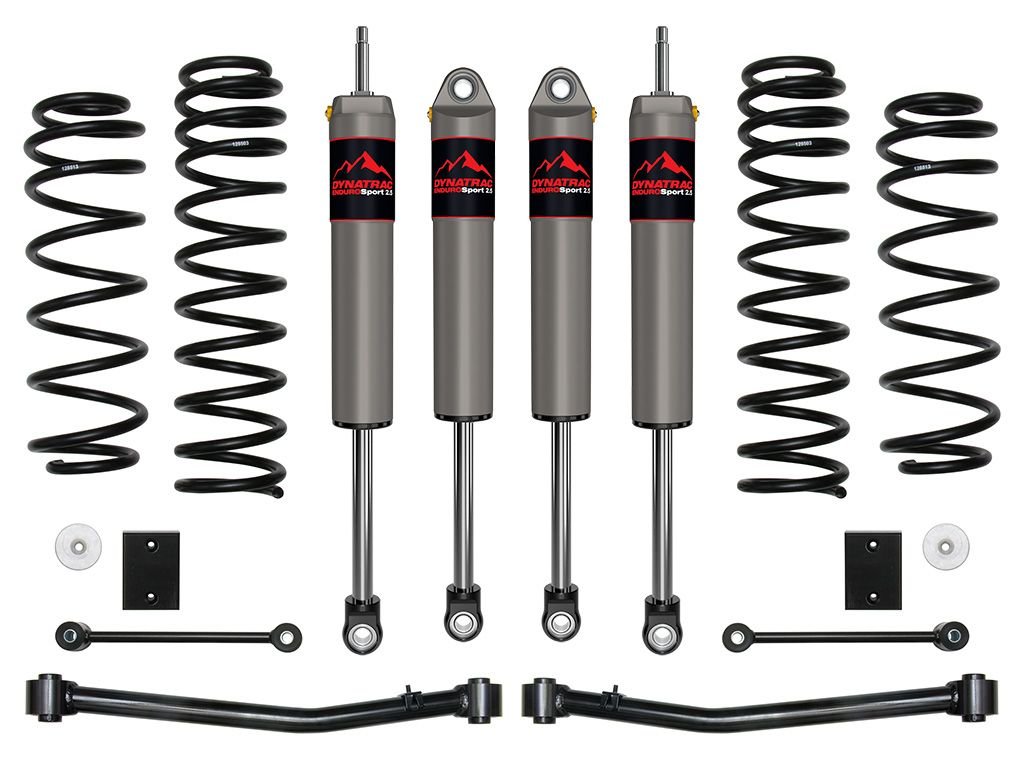
The suspension is the biggest factor in how your Jeep feels on the road. Stock suspension is great for trails, but not always for comfort.
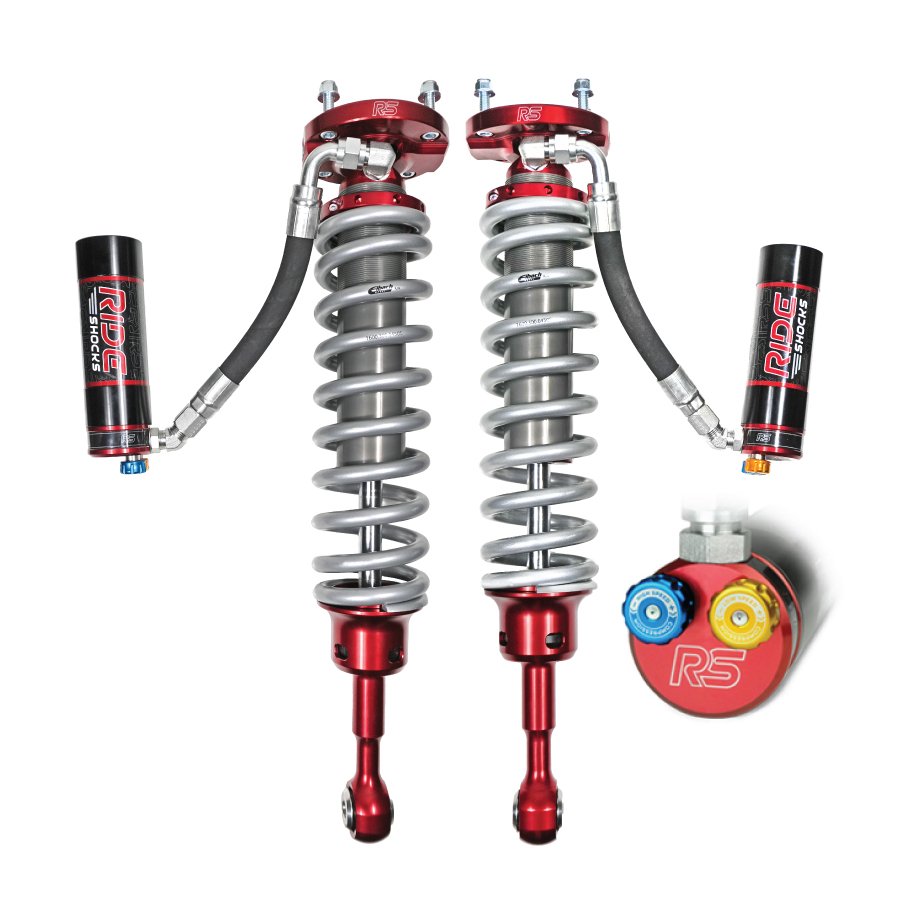
- Replace shocks: Aftermarket shocks like Bilstein 5100 or Fox 2.0 offer better damping and smoother performance.
- Upgrade springs: Progressive-rate springs compress easily on small bumps, then stiffen up for big hits.
- Control arms: Adjustable control arms help align your wheels and reduce harshness.
Example: Many owners report that switching to high-quality shocks reduces body roll and smooths out potholes.
2. Tires And Wheels
Your tire choice affects both ride and handling. Stock tires are often more rugged than comfortable.
- All-terrain tires: These provide a softer ride compared to mud-terrain or rock-crawling tires.
- Correct tire pressure: Overinflated tires feel hard. Check your owner’s manual for the recommended PSI.
- Wheel size: Larger wheels with thinner tires make bumps worse. Stick with 16-17 inch wheels for the best comfort.
Here’s a quick comparison of tire types:
| Tire Type | Comfort | Noise | Durability |
|---|---|---|---|
| All-Terrain | High | Medium | High |
| Mud-Terrain | Low | High | High |
| Highway | Very High | Low | Medium |
3. Seat Upgrades
The factory seats in a Wrangler are simple and rugged, but not always comfortable for long trips.
- Install aftermarket seats: Brands like Corbeau and Bestop offer seats with better padding and support.
- Seat covers with extra foam: These are an affordable way to add comfort.
- Adjust seating position: Moving the seat back can change how bumps are felt.
Non-obvious tip: The seat’s angle and lumbar support can make a bigger difference than you expect. Small changes often reduce fatigue.
4. Cabin Insulation
Noise and vibration are common in Jeeps, especially with a soft top.
- Install sound deadening mats: Products like Dynamat or HushMat stick under carpet to reduce road noise.
- Add weatherstripping: Replace old door seals to block wind.
- Switch to a hardtop: Hardtops are quieter and better for highway driving.
Practical insight: Reducing cabin noise often makes the ride feel smoother, even if the suspension hasn’t changed.
5. Steering Stabilizer
A worn or weak steering stabilizer can cause vibration and “death wobble.” Upgrading this part helps the Jeep feel more stable.
- Replace with heavy-duty stabilizer: Look for brands like Teraflex or Rancho.
- Check front-end alignment: Poor alignment makes the Jeep wander on the road.
6. Suspension Bushings
Bushings are small rubber pieces that absorb vibration. Worn bushings transmit more bumps and noise.
- Replace with polyurethane bushings: These last longer and improve comfort.
- Inspect regularly: Cracked or missing bushings should be changed immediately.
Comparing Upgrade Costs And Comfort Gains
Not all upgrades cost the same or deliver equal results. Here’s a quick comparison:
| Upgrade | Average Cost | Comfort Improvement |
|---|---|---|
| Shocks/Springs | $400–$1200 | High |
| Tires | $600–$1200 | Medium |
| Seats | $300–$900 | Medium |
| Cabin Insulation | $150–$500 | Medium |
| Steering Stabilizer | $80–$200 | Low |
| Bushings | $100–$300 | Low–Medium |
Common Mistakes To Avoid
Many Wrangler owners try to fix ride quality but make mistakes that waste money or make things worse.
- Oversized tires: These look great but add noise, weight, and harshness.
- Cheap lift kits: Low-cost kits can make the ride stiffer and damage parts.
- Ignoring tire pressure: This is the quickest win for comfort, yet often overlooked.
- Skipping alignment: After suspension work, always get a professional alignment.
Non-obvious insight: Even new Jeeps can have tire pressure set too high from the factory or dealer.
Maintenance And Driving Habits
Some comfort improvements are free or low-cost:
- Regularly rotate tires: This reduces uneven wear and vibration.
- Check for loose bolts: Suspension parts can loosen over time.
- Drive at moderate speeds: Wranglers are not built for racing; slower speeds smooth out rough roads.
When To See A Professional
If you notice shaking at any speed, clunking noises, or steering wheel vibration, get your Jeep checked by a qualified mechanic. Problems like worn ball joints or bent axles can be dangerous and costly if ignored.

Frequently Asked Questions
How Much Does It Cost To Improve A Wrangler’s Ride Quality?
Most owners spend between $400 and $2000 for a noticeable upgrade, depending on the parts and labor. Replacing shocks and tires usually brings the biggest improvement for your money.
Will A Lift Kit Make The Ride Worse?
A lift kit can make the ride stiffer, especially if it uses cheap or poorly designed parts. Quality kits with matching shocks and springs help keep the ride comfortable.
What Tire Pressure Should I Use For Comfort?
For most Wranglers, 32–35 PSI is ideal for daily driving. Always check your manual and adjust for your tire size and load.
Are Aftermarket Seats Worth It?
If you drive long distances or feel sore after trips, aftermarket seats with more padding and support can make a big difference. They also help with posture and reduce back pain.
Where Can I Learn More About Jeep Suspension Systems?
You can read detailed guides and reviews on the official Jeep Wrangler Wikipedia page for history, models, and technical information.
Improving your Jeep Wrangler’s ride quality is possible with smart upgrades, regular maintenance, and attention to detail. With the right changes, you can enjoy both off-road adventure and a comfortable drive on city streets.
Choose the steps that fit your needs and budget, and your Wrangler will reward you with every mile.