Many Jeep owners love the adventure, but most agree: gas mileage can be frustrating. Jeeps are built for toughness, not fuel efficiency, so improving your Jeep’s MPG is a smart move. Whether you drive a Wrangler, Cherokee, or Gladiator, a few practical changes can help you spend less money at the pump and go farther on every tank. You don’t need expensive upgrades or mechanical expertise. With some careful habits and a few adjustments, you can boost fuel economy and keep your Jeep running strong.
Understand Your Jeep’s Gas Mileage
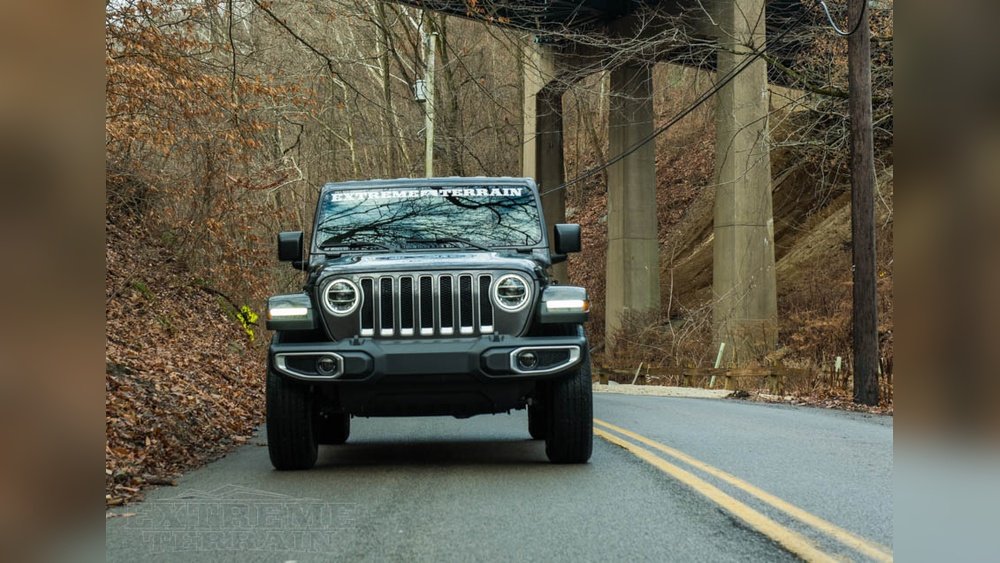
Before making changes, know your starting point. Most Jeeps average 16–22 miles per gallon (MPG), depending on model and year. For example, a 2023 Jeep Wrangler gets about 17 MPG city and 23 MPG highway. Heavier models and off-road tires can drop MPG below 15. If you track your fill-ups, you’ll spot trends and see improvement.
Here’s a quick comparison:
| Model | City MPG | Highway MPG |
|---|---|---|
| Wrangler | 17 | 23 |
| Cherokee | 21 | 29 |
| Gladiator | 16 | 23 |
Even small improvements can save you hundreds of dollars each year, especially with rising gas prices.
Practical Ways To Improve Gas Mileage
Getting better fuel economy is about smart choices. Here are proven ways to help your Jeep use less gas.
1. Keep Tires Properly Inflated
Under-inflated tires can lower MPG by up to 3%. Check tire pressure monthly, especially before long trips. Follow the pressure listed on your Jeep’s sticker (often 32–36 PSI). Off-road tires with aggressive treads reduce efficiency; switching to all-terrain or highway tires helps.
2. Remove Extra Weight
Jeep owners often carry gear, roof racks, and heavy accessories. Every 100 pounds reduces efficiency by about 1%. Remove unused items, take off roof racks when not needed, and avoid carrying things inside unless necessary.
3. Drive Smoothly
Fast acceleration and hard braking waste fuel. Try gentle starts, keep steady speed, and use cruise control on highways. Studies show aggressive driving can cut MPG by up to 30% on the highway.
4. Maintain Your Engine
Regular oil changes, clean air filters, and new spark plugs keep your engine running smoothly. Neglecting maintenance can lower MPG by up to 4%. Use the recommended oil type and change filters every 12,000–15,000 miles.
5. Upgrade Your Fuel
Using high-quality fuel can help, especially for newer Jeeps. Some owners report better MPG with top-tier gasoline. However, only use premium if your Jeep’s manual recommends it.
6. Limit Idle Time
Idling burns gas with zero miles. Turn off the engine if you’ll wait more than a minute. Modern Jeeps have start-stop systems to help, but older models benefit from conscious habits.
7. Watch Your Speed
Driving faster than 60 mph increases wind resistance and uses more fuel. Every 5 mph over 60 costs you about 10 cents extra per gallon. Try to keep speeds steady and moderate.
8. Fix Alignment And Suspension
Poor alignment or worn suspension parts create drag. If your Jeep pulls to one side or feels unstable, get it checked.
Proper alignment saves fuel and extends tire life.
Choosing The Right Tires And Accessories
Many Jeep owners customize their vehicles. But some changes can hurt gas mileage.
| Accessory | Effect on MPG |
|---|---|
| Lift Kit | ↓ 2-5 MPG |
| Heavy Bumpers | ↓ 1-3 MPG |
| Roof Rack | ↓ 1-2 MPG |
| All-Terrain Tires | ↓ 1-3 MPG |
| Stock Tires | No change |
If you drive mostly on pavement, consider stock tires and remove roof racks. If you need off-road features, balance your choices and expect some MPG loss.
Advanced Tips For Maximum Efficiency
Some drivers try extra strategies. Here are a few that go beyond the basics:
- Install a cold air intake: It helps the engine breathe better, boosting power and sometimes improving MPG by 1–2.
- Use synthetic oil: Reduces friction and can add a small boost to efficiency.
- Replace oxygen sensors: Older sensors can cause rich fuel mixtures. New sensors keep your engine balanced.
- Check for software updates: Some Jeep models get updates that improve fuel mapping. Ask your dealer.
One insight many beginners miss: changing driving habits makes a bigger difference than expensive upgrades. For example, simply slowing down and removing heavy accessories often gives more MPG improvement than buying performance parts.
Common Mistakes That Lower Gas Mileage
Avoid these errors if you want better MPG:
- Oversized tires: They look cool but drop MPG fast.
- Ignoring maintenance: Skipping oil changes or air filter replacements hurts efficiency.
- Driving with windows down: At high speed, open windows increase drag.
- Using 4WD unnecessarily: Four-wheel drive uses more fuel. Switch to 2WD when you don’t need extra traction.
Many drivers think premium fuel will always improve mileage, but this isn’t true unless your Jeep needs it. Also, don’t assume all accessories are harmless. Even small changes add up.
Cost Vs. Savings: Is It Worth It?
Improving gas mileage costs little but saves much. For example, if you boost MPG from 17 to 20 and drive 12,000 miles a year, you save about 88 gallons yearly. At $3.50 per gallon, that’s $308 saved. Most tips cost less than $50 to start.
Here’s a quick comparison:
| Tip | Estimated Cost | Annual Savings |
|---|---|---|
| Proper Tire Pressure | $0 | $50–$100 |
| Remove Extra Weight | $0 | $30–$60 |
| Engine Maintenance | $40–$100 | $80–$150 |
| Smoother Driving | $0 | $70–$120 |

Frequently Asked Questions
How Often Should I Check My Jeep’s Tire Pressure?
Check tire pressure every month and before long trips. Proper pressure improves safety and fuel economy.
Will Changing To All-terrain Tires Hurt My Gas Mileage?
Yes, all-terrain tires usually lower MPG by 1–3. If you drive mostly on roads, stick to stock or highway tires.
Only if your Jeep’s manual recommends it. Using premium gas in a vehicle designed for regular won’t boost MPG.
How Can I Tell If My Jeep Needs A Tune-up?
Look for signs like rough idle, decreased power, or poor MPG. Regular tune-ups keep your engine efficient.
Is A Cold Air Intake Worth It For Gas Mileage?
A cold air intake can help, but the improvement is small (usually 1–2 MPG). It works best with other changes.
Improving your Jeep’s gas mileage is possible with simple, practical steps. Focus on regular maintenance, smart driving, and avoid unnecessary weight. Even small changes make a big difference over time. For more detailed data on fuel economy, visit the US Department of Energy. Your Jeep can be fun and efficient—make every mile count.