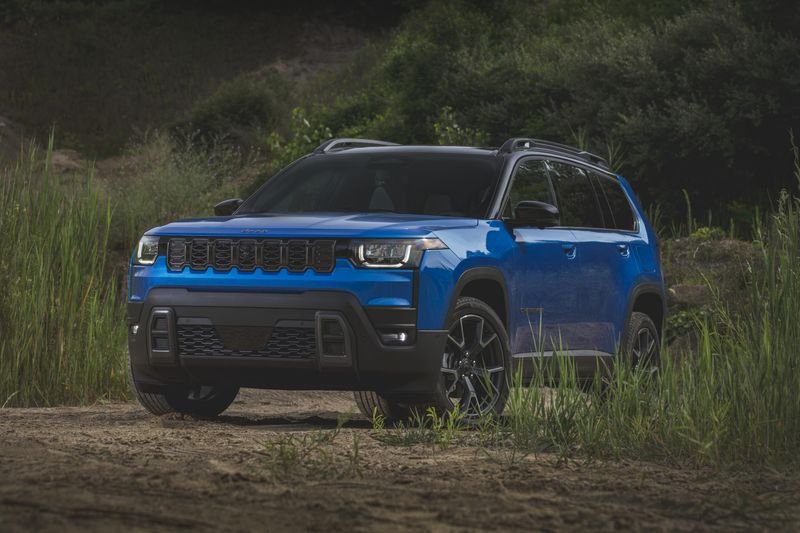
Hard wiring tail lights on a Jeep Grand Cherokee is a practical solution if your factory wiring is damaged or you need a more reliable connection. Many Jeep owners face electrical issues due to worn-out connectors, corrosion, or after installing aftermarket lighting. By hard wiring, you bypass unreliable connections and ensure your tail lights work every time, especially important for safety and passing inspections.
This guide will walk you through the process, step-by-step. Whether you’re an experienced DIYer or trying this for the first time, you’ll find clear instructions, helpful insights, and practical tips to get the job done right.
Why Hard Wire Tail Lights?
Factory connectors on older Jeep Grand Cherokees are known to fail due to moisture and road salt. Hard wiring eliminates weak points by directly connecting wires, making the lighting system more robust. It’s also a common fix when installing LED tail lights or trailer wiring kits, which sometimes don’t match factory harnesses.
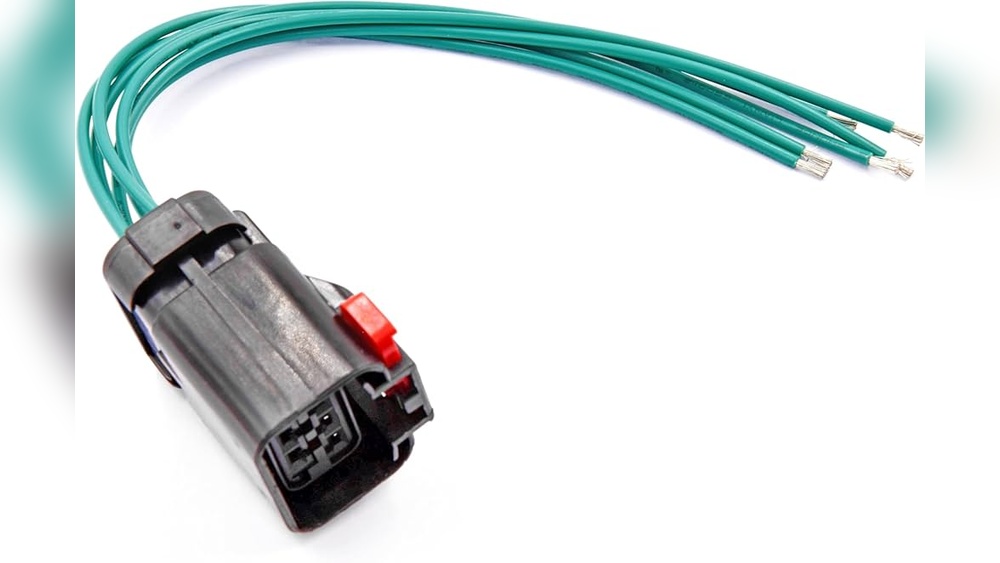
Here’s a quick comparison of factory vs hard-wired tail light setups:
| Factory Wiring | Hard Wired |
|---|---|
| Quick to connect/disconnect | Permanent, solid connection |
| Prone to corrosion | Resistant to moisture if sealed properly |
| Connector failure is common | Less likely to fail over time |
Tools And Materials You’ll Need
Before starting, gather all necessary tools and materials. This prevents interruptions and helps you finish faster.
- Wire strippers
- Crimping tool
- Heat-shrink butt connectors (18-22 gauge, color-matched to wire size)
- Electrical tape
- Multimeter (for testing)
- 12V test light
- Zip ties
- Soldering iron & solder (optional but recommended for extra strength)
- Heat gun or lighter (for heat-shrink)
- Screwdrivers and socket set
- Safety glasses and gloves
Step-by-step Hard Wiring Process
Follow these steps to safely and efficiently hard wire your Jeep’s tail lights.
1. Disconnect The Battery
Always start by disconnecting the negative terminal of the battery. This prevents accidental shorts and protects you from shocks.
2. Access The Tail Light Wiring
Open the rear hatch and remove the interior trim panels near the tail lights. On most Jeep Grand Cherokees, you’ll find the tail light harness behind a plastic cover.
3. Identify The Correct Wires
Use a multimeter or 12V test light to confirm the following wires:
- Tail/running light
- Brake/stop light
- Turn signal
- Ground
Refer to your Jeep’s wiring diagram or the color codes stamped on the harness. Common wire colors include:
| Function | Typical Wire Color |
|---|---|
| Tail/Running Light | Brown |
| Brake Light | Green or Red |
| Turn Signal | Yellow |
| Ground | Black |
Non-obvious insight: Test each wire with the lights on to be sure. Jeep models sometimes change wire colors between years.
4. Cut Out The Faulty Connector
Cut the wires just before the faulty connector or damaged section. Strip about 1/2 inch of insulation from each wire end.
5. Connect And Secure The Wires
- Match each Jeep wire with the corresponding tail light wire.
- Twist the bare ends together, slide on a heat-shrink butt connector, and crimp firmly.
- For extra durability, solder the twisted wires before crimping.
- Slide the heat-shrink over the joint and apply heat until it seals tightly.
- Wrap with electrical tape and use zip ties to keep wires neat and away from moving parts.
Practical tip: If you’re unsure about a connection, tug gently after crimping. A good connection won’t pull apart.
6. Test The Tail Lights
Reconnect the battery and test all functions: parking lights, brake lights, turn signals, and reverse lights. Use a friend or a reflective surface to check that everything works.
7. Reassemble And Seal
Reinstall all panels and covers. Make sure no wires are pinched or exposed.
For extra protection, use silicone sealant around connectors if you drive in wet areas.
Common Mistakes To Avoid
Many DIYers make simple errors that cause problems later:
- Mismatched wire colors: Always double-check with a multimeter, not just by color.
- Weak crimps or no solder: Poor connections can fail after a few months.
- Skipping heat-shrink: Exposed wires can corrode quickly.
- Forgetting to test: Always test before reassembling everything.

When To Seek Professional Help
If you’re unsure about wiring or your Jeep has complex electronics (such as CAN bus systems in newer models), consider consulting a professional. Modern vehicles can trigger dashboard errors or electrical faults if wires are connected incorrectly.
Advantages And Disadvantages
Here’s a quick look at the pros and cons of hard wiring your Jeep’s tail lights:
| Advantages | Disadvantages |
|---|---|
| Strong, reliable connection | Permanently alters factory wiring |
| Less prone to corrosion | Harder to remove tail lights |
| Works with aftermarket lights | May void some warranties |
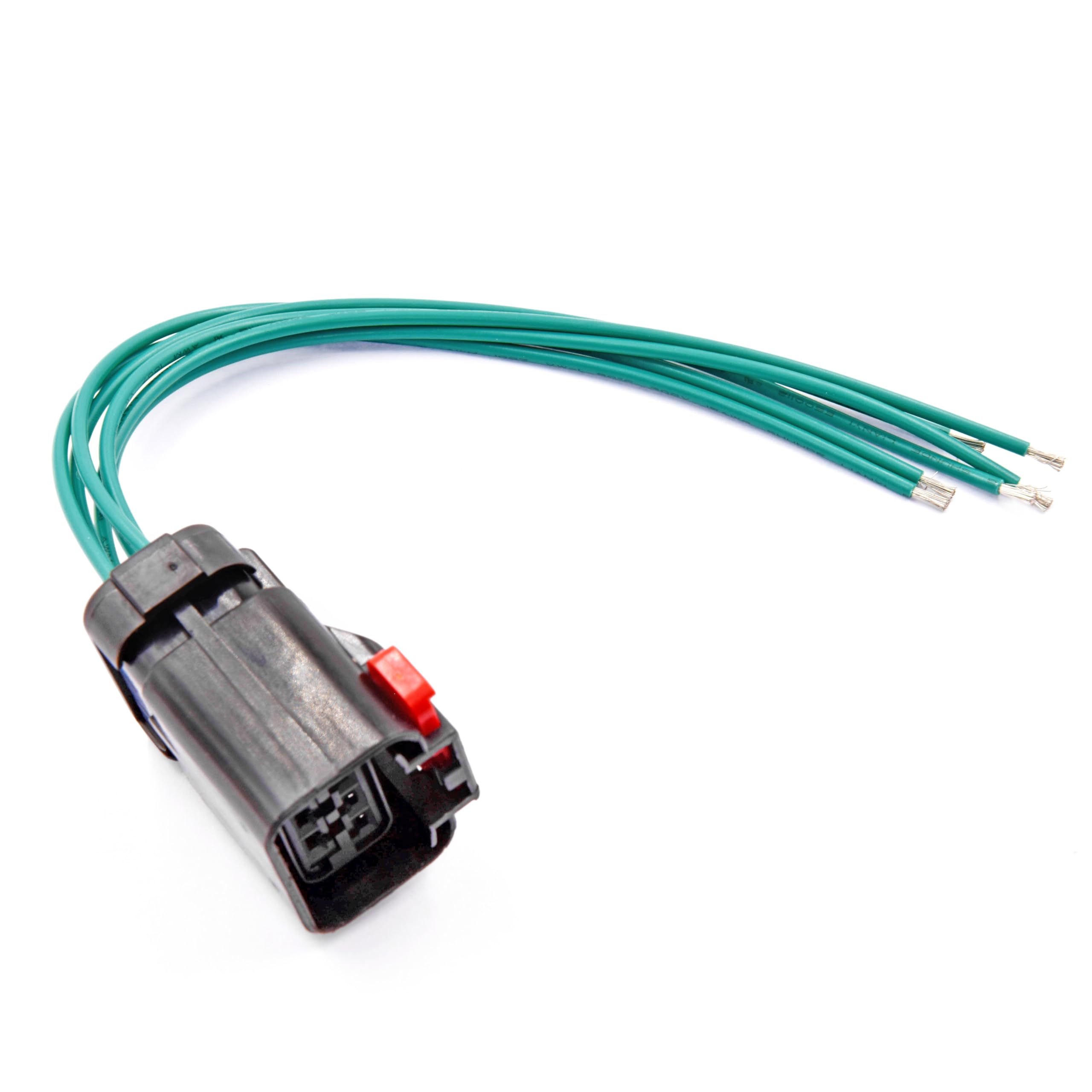
Final Checks And Safety Tips
After finishing, drive at night to make sure your tail lights are bright and consistent. Keep an eye out for flickering or dimming, which could signal a bad connection.
Carry extra fuses and a basic tool kit, especially if you’re traveling long distances.
Non-obvious insight: If you tow a trailer, test the trailer lights too, since they often share circuits with your Jeep’s tail lights.
For official wiring diagrams and more model-specific advice, check the Jeep Official Site.
Frequently Asked Questions
What Gauge Wire Should I Use For Tail Lights?
Use 18-22 gauge automotive wire. This size handles the current for tail lights without overheating. Always match or exceed the factory wire size.
Can I Hard Wire Aftermarket Led Tail Lights?
Yes, you can. Make sure to use resistors or modules if your Jeep is not LED-ready. This prevents fast-blinking or error codes.
Is Hard Wiring Legal For Inspections?
Hard wiring is legal if done safely and all functions work. Exposed or poorly insulated wires may cause your vehicle to fail inspection.
How Long Does It Take To Hard Wire Tail Lights?
Most DIYers finish in 1 to 2 hours. Extra time may be needed if you have to remove trim or troubleshoot wiring.
Do I Need To Disconnect The Battery When Hard Wiring?
Yes. Always disconnect the battery before cutting or joining wires to avoid sparks, shorts, or damaging your Jeep’s electronics.
Hard wiring tail lights on your Jeep Grand Cherokee can save you money and prevent future headaches. Take your time, follow the steps, and always prioritize safety for a successful repair.