Your Jeep Wrangler’s check engine light just came on, and now you’re wondering what’s wrong. You want to find out the exact issue quickly, without guessing or spending a fortune at the mechanic.
The good news? You can get the check engine light code yourself—and it’s easier than you think. Whether you own a JK, TJ, or another Wrangler model, this guide will show you simple, step-by-step methods to retrieve the trouble codes.
Knowing the code puts you in control, helping you decide the next move for your Jeep. Keep reading to learn how to get your check engine light code fast and with minimal hassle.
Check Engine Light Basics
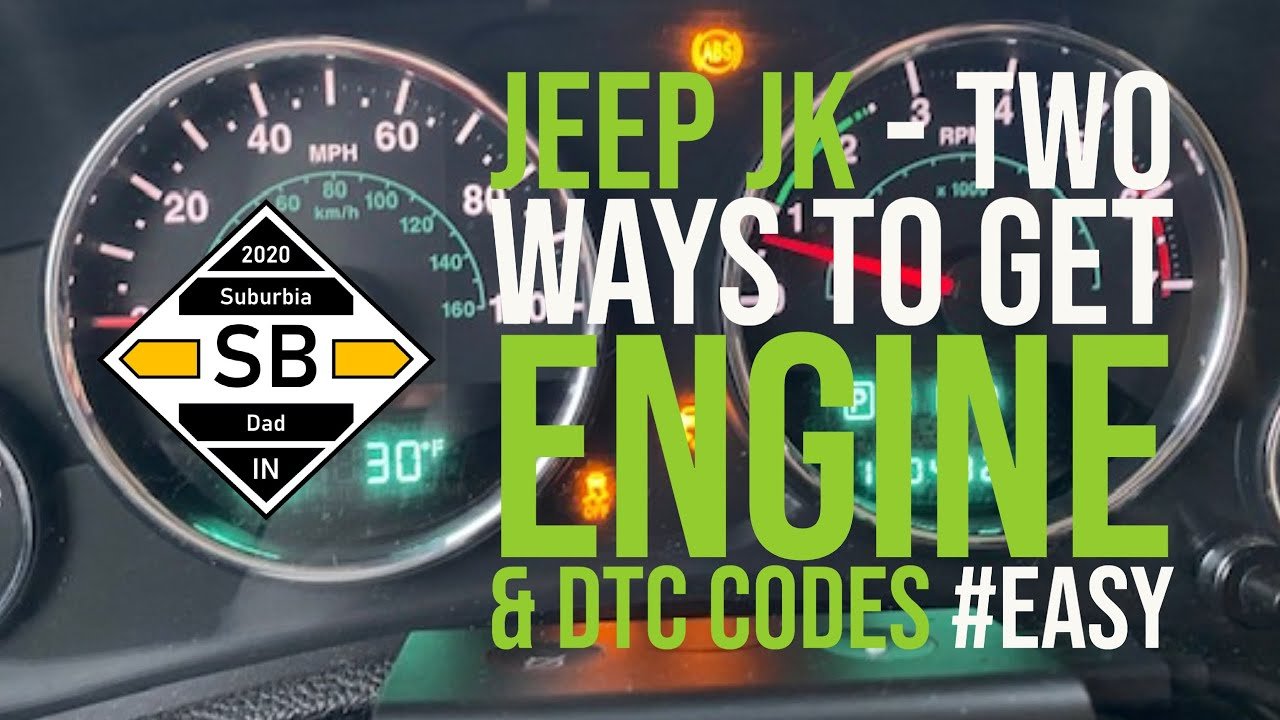
The key-turn method is a simple way to get your Jeep Wrangler’s check engine light codes. No special tools needed.
This method works right from the driver’s seat using the ignition key. It helps you find out what issue triggered the check engine light.
This method is quick and handy for basic diagnostics. It shows codes on your odometer.
Each code points to a specific problem in your vehicle. Knowing these codes helps you decide if you need a mechanic or can fix it yourself.
Applicable Jeep Models
This key-turn method works on Jeep Wrangler JK and TJ models. These are models made roughly between 1997 and 2018.
It may not work on newer models with advanced systems. Always check your owner’s manual for exact compatibility.
Step-by-step Key Turn Sequence
- Sit in the driver’s seat and close all doors fully.
- Insert the key into the ignition.
- Turn the key quickly from OFF to ON three times. The sequence is OFF-ON-OFF-ON-OFF-ON.
- End with the key in the ON position without starting the engine.
Do this in about five seconds for the codes to show properly. If done right, your odometer will start flashing codes.
Reading Codes On The Odometer
The odometer will flash numbers in a sequence. Each number flashes for about one second.
Codes are two-digit numbers. For example, “12” means the odometer will flash “1” then “2.”
Watch carefully and write down all codes shown. A short pause separates each code.
When “done” appears, the sequence is over. Use these codes to learn what issues your Jeep has.
Using The Key-turn Method
Using an OBD-II scanner is the most reliable way to read your Jeep Wrangler’s check engine light codes. This device connects to your vehicle and pulls diagnostic information directly from the computer system. It helps identify the exact issue causing the warning light to appear. Many scanners also allow you to clear the codes after repairs.
Locating The Diagnostic Port
The diagnostic port is usually under the dashboard on the driver’s side. Look near the steering column or above the pedals.
It is a small, trapezoid-shaped connector. Sometimes it may be behind a plastic cover.
Use a flashlight if needed to spot it clearly.
Choosing The Right Scanner
Select a scanner compatible with Jeep Wrangler models. Basic OBD-II scanners read and clear trouble codes.
Advanced models provide live data and detailed reports. Pick one with a clear screen and easy-to-understand menus.
Consider a wireless scanner if you want to use your smartphone.
Reading And Clearing Codes
Plug the scanner into the diagnostic port. Turn the Jeep’s ignition to the “ON” position without starting the engine.
Follow the scanner’s instructions to read the codes. Note down the code numbers for reference.
After repairs, use the scanner to clear the codes and reset the check engine light.
Using An Obd-ii Scanner
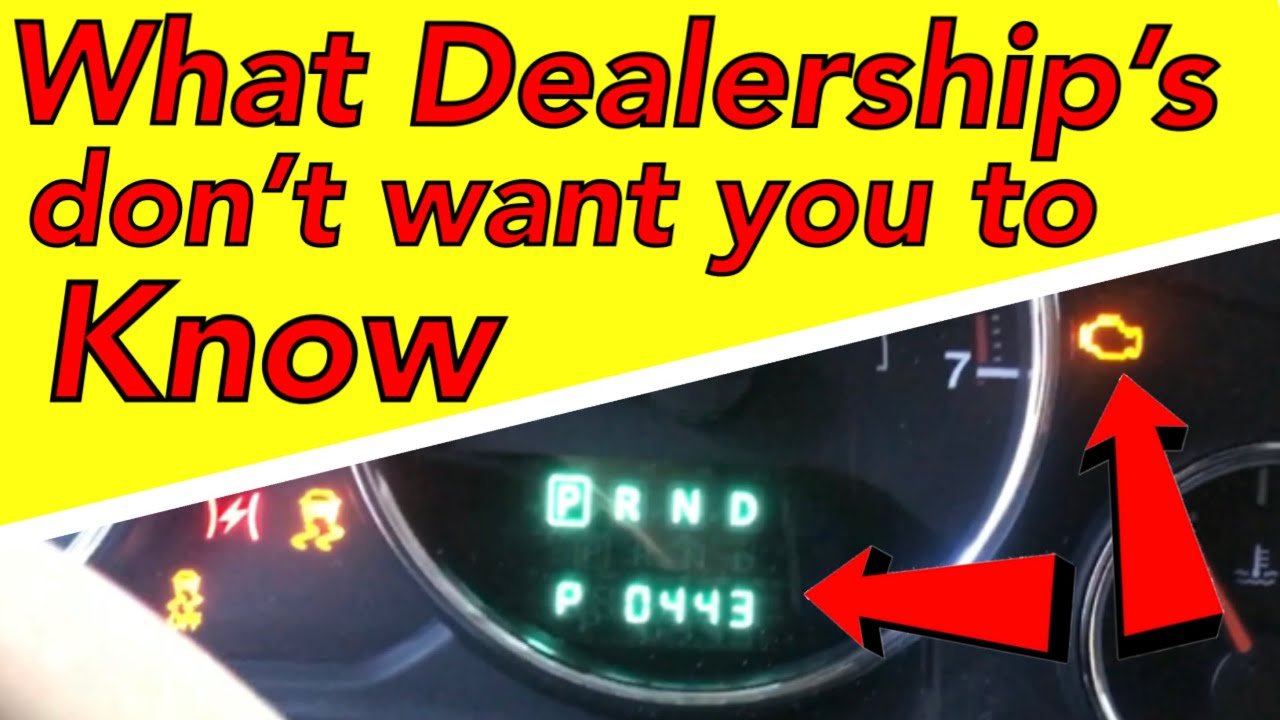
Retrieving check engine light codes without a scanner on your Jeep Wrangler is possible. This method helps you understand what issue your vehicle is facing without any extra tools.
It uses the vehicle’s built-in system to display trouble codes.
This process is useful if you do not have a scanner or want a quick check. You can do it right from the driver’s seat with just your ignition key.
The codes appear as flashes or on the odometer screen. These codes tell you what part of your Jeep needs attention.
Manual Code Retrieval Process
Start by sitting in the driver’s seat with all doors closed. Insert the key into the ignition.
Turn the key quickly three times from OFF to ON without starting the engine. End with the key in the ON position.
Watch the odometer or the check engine light. The codes will flash or show up as numbers.
Count the flashes or note the numbers carefully. Each code has a specific meaning related to the engine or sensors.
Write down the codes for later reference. You can look up their meaning online or in your Jeep’s manual.
This way, you get a clear idea of the problem without spending money on a scanner.
Limitations Of No-scanner Method
This manual method works well but has limits. It only shows basic codes, not detailed data.
You cannot clear the codes using this process. You will need a scanner to reset the check engine light.
Some Jeep models may not support this method. It depends on the year and system type.
Also, reading codes by flashes can be confusing for some users. Miscounting may lead to wrong diagnosis.
For complex problems, a scanner or professional help is better. The manual method is good for quick checks but not for deep troubleshooting.
Retrieving Codes Without A Scanner
After retrieving the check engine light code from your Jeep Wrangler, understanding what it means is crucial. Interpreting your codes helps pinpoint the exact issue.
This step guides your next move, whether fixing it yourself or visiting a mechanic.
Using Jeep Diagnostic Index
The Jeep Diagnostic Index lists all error codes for your Wrangler. Each code starts with a letter followed by four numbers.
The letter shows the system involved, such as engine or transmission.
For example, “P” codes relate to powertrain problems, including the engine and transmission. “B” codes involve the body, like airbags or lighting.
“C” codes address chassis issues such as ABS brakes. “U” codes cover network and communication errors.
Refer to this index to match your code to its description. It gives a clear idea of the system affected and the general problem type.
Common Trouble Codes Explained
Some codes appear often on Jeep Wranglers. Knowing these helps diagnose quickly.
- P0300: Random or multiple cylinder misfires. This means the engine is not firing properly.
- P0420: Catalyst system efficiency below threshold. It points to issues with the catalytic converter.
- P0171: System too lean on bank 1. The engine is getting too much air or not enough fuel.
- P0455: Evaporative emission control system leak detected. Usually a loose gas cap or leak in the fuel system.
Knowing these common codes saves time. It helps avoid confusion and speeds up repairs.
Interpreting Your Codes
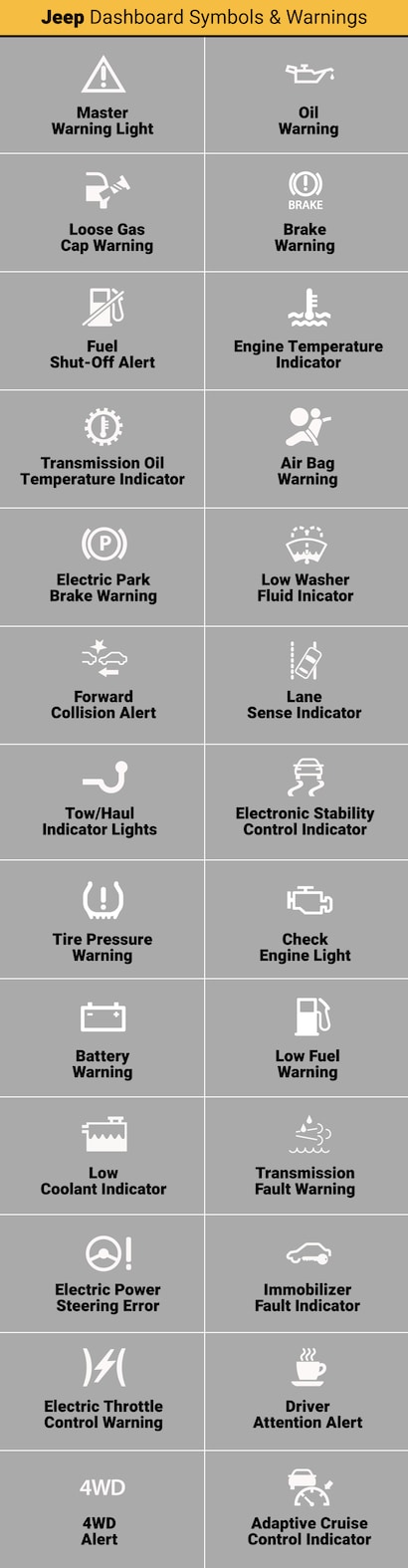
After retrieving the check engine light codes from your Jeep Wrangler, knowing the next steps is crucial. These codes give clues about what needs attention.
Acting wisely can save time and money. Understanding when to tackle repairs yourself versus seeking professional help matters.
This section guides you on making that choice.
Deciding When To Diy
Simple issues like a loose gas cap or a faulty sensor are good for DIY fixes. Basic repairs save money and build your confidence.
Use online guides and videos for help. Ensure you have the right tools before starting.
Small problems often clear the check engine light quickly. Always clear the code after the repair to see if it worked.
If the light returns, further diagnosis is needed.
When To See A Mechanic
Complex issues like engine misfires or transmission problems require a mechanic. Modern vehicles have advanced systems needing expert care.
If your Jeep shows signs like rough idling or poor fuel economy, get professional help. Ignoring serious problems can cause more damage.
Certified mechanics have tools to read detailed codes and fix them properly. Safety matters most, so do not delay visits for major concerns.
Next Steps After Getting Codes
Preventing the check engine light from turning on is better than fixing problems later. Simple habits keep your Jeep Wrangler running smoothly.
Regular care helps avoid many common engine issues. Follow easy steps to protect your vehicle and save money on repairs.
Routine Maintenance Advice
Check your oil level and quality often. Change oil and filters as the manual says.
Inspect spark plugs and replace them on time. Keep air filters clean to improve engine breathing.
Tighten gas cap properly after fueling. Loose caps can trigger the check engine light.
Monitor battery health and clean terminals. Replace worn belts and hoses quickly.
Pay attention to any unusual noises or smells. Early detection stops bigger problems.
Fuel And Emission System Care
Use good quality fuel to protect engine parts. Avoid running low on gas frequently.
Add fuel system cleaner periodically to remove deposits. Check fuel injectors and clean if needed.
Replace the fuel filter as scheduled. Inspect the oxygen sensors and replace if faulty.
Keep the catalytic converter in good condition. Avoid harsh driving that causes excess emissions.
Proper care lowers chances of emission system failures.
Frequently Asked Questions
How To Check Jeep Wrangler Engine Codes?
To check Jeep Wrangler engine codes, turn the ignition key OFF-ON three times quickly, ending in ON. Codes display on the odometer.
Alternatively, use an OBD-II scanner plugged into the diagnostic port under the dashboard for precise code reading.
How Do I Check My Jeep Code Without A Scanner?
Sit in the driver’s seat with doors closed. Turn the key from OFF to ON three times quickly, ending in ON.
Read the code on the odometer display. Do not start the engine during this process.
How To Find Out Check Engine Light Code?
Insert an OBD-II scanner into your car’s diagnostic port under the dashboard. Turn the ignition on without starting the engine.
Read the displayed code on the scanner screen. Alternatively, use the key-turn method on some Jeep models to display codes on the odometer.
How Do I Get My Engine Code Without A Scanner?
Turn the ignition key from OFF to ON three times quickly, ending in the ON position. Read the engine code on the dashboard display.
Conclusion
Getting the check engine light code on your Jeep Wrangler is simple and quick. Use the key-turn method or an OBD-II scanner to find the code.
Knowing the code helps you understand what needs fixing. Always check the code before making repairs.
This saves time and money. Keep your Jeep running smoothly by staying alert to warning signs.
Regular checks prevent bigger problems down the road. Now, you can handle your Jeep’s check engine light with confidence.