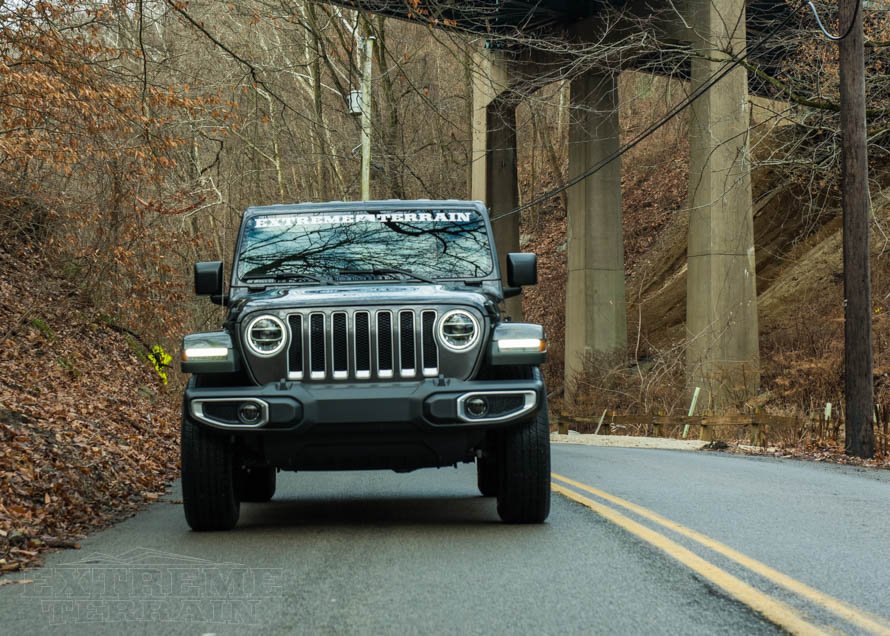
Getting more miles per gallon from your Jeep isn’t just about saving money. It’s about getting the most from your adventure vehicle, protecting the environment, and even improving how your Jeep feels to drive.
Many Jeep owners notice that their gas mileage is lower than smaller cars, but there are real steps you can take to see improvement.
Whether you drive a Wrangler, Cherokee, or Grand Cherokee, understanding how to get better gas mileage in a Jeep can make a big difference over time.
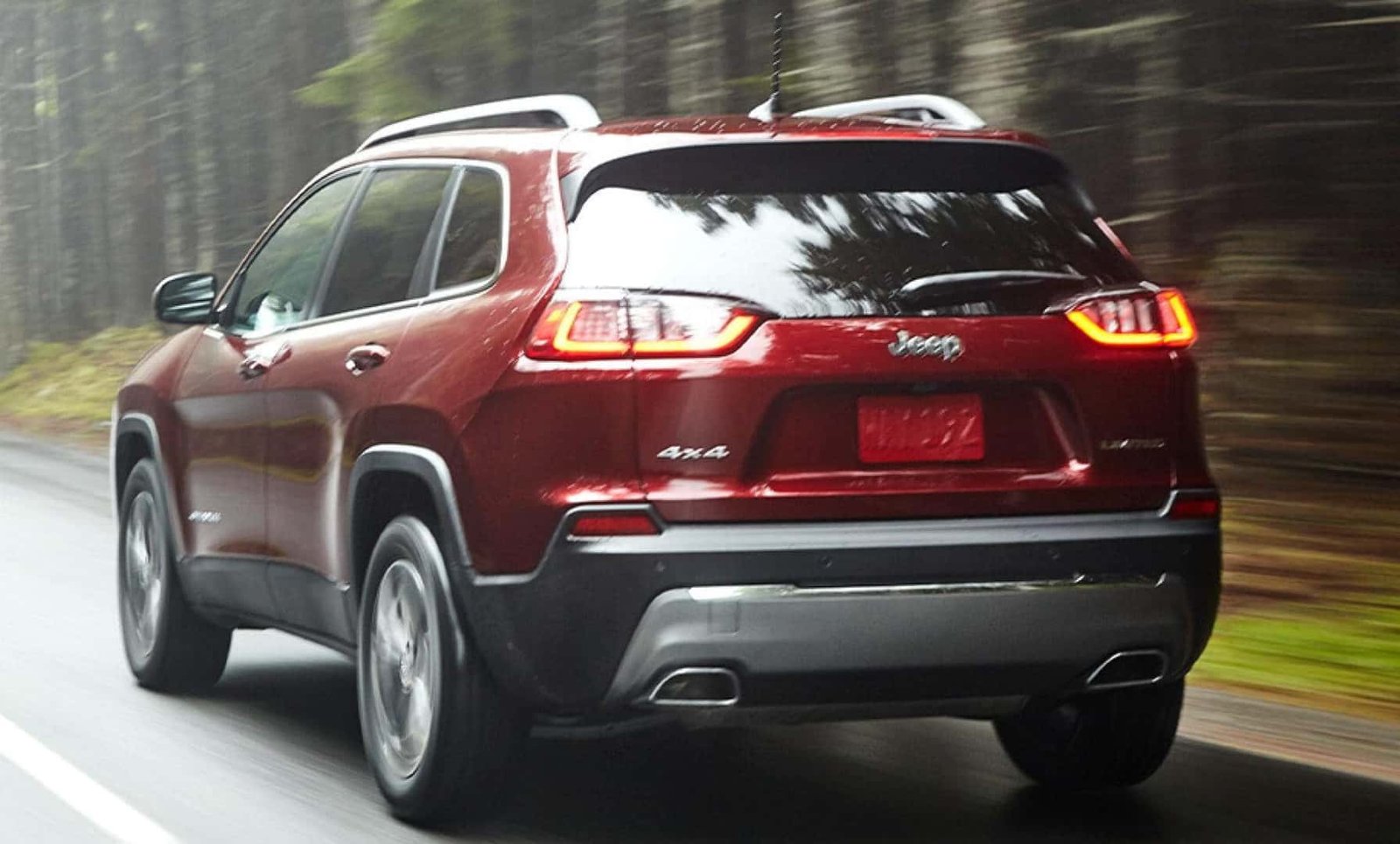
This guide gives you proven strategies, common mistakes to avoid, and helpful tips that go beyond the basics. You’ll find advice for both daily driving and off-road trips.
And you don’t need to be a mechanic to get real results most changes are simple, practical, and surprisingly effective.
Why Do Jeeps Get Lower Gas Mileage?
Jeeps are designed for off-road capability, durability, and power. These qualities often come with trade-offs in aerodynamics, weight, and engine efficiency. For example, boxy shapes create more air resistance, and larger tires increase rolling resistance. Many Jeeps use four-wheel drive (4WD) systems, which add weight and mechanical drag. All these factors combine to reduce miles per gallon compared to smaller, lighter cars.
But the good news is, you can offset many of these issues with smart choices and regular care.
Essential Maintenance For Better Mpg
Regular maintenance is the foundation for getting better gas mileage from your Jeep. Even small problems can make your engine work harder and burn more fuel.
Keep Tires Properly Inflated
Under-inflated tires increase rolling resistance, which means your engine uses more gas to keep moving. Check your tire pressure at least once a month especially before long trips.
Use the recommended PSI in your owner’s manual or on the sticker inside your driver’s door.
Replace Air Filters Regularly
A dirty air filter restricts airflow to your engine, lowering fuel efficiency. Most Jeep models need a new air filter every 12,000 to 15,000 miles, but if you drive in dusty areas, check it more often. Replacing the filter is an easy DIY fix that can boost MPG.
Use The Right Motor Oil
Thicker or incorrect oil creates more friction in the engine. Always use the oil type and viscosity recommended by Jeep.
Synthetic oils often provide better lubrication and can slightly improve fuel economy.
Keep Your Engine Tuned
Worn spark plugs, old ignition wires, or a malfunctioning oxygen sensor can drop gas mileage by up to 20%. Follow the service schedule for your Jeep, and don’t ignore the check engine light.
Smart Driving Habits For Higher Efficiency
How you drive makes a bigger impact than most people realize. Aggressive habits can waste fuel quickly, while smoother driving helps you go further on each tank.
Accelerate And Brake Smoothly
Rapid starts and hard braking burn extra gas. Try to accelerate gently and coast to a stop instead of slamming on the brakes.
This not only saves fuel but also reduces wear on your Jeep.
Use Cruise Control On Highways
Cruise control helps maintain a steady speed, which is more efficient than constant speed changes. Use it on flat highways, but turn it off in hilly or slippery conditions.
Limit Idling
Idling gets zero miles per gallon. If you’re stopped for more than a minute (except in traffic), shut off your engine.
Modern Jeeps restart easily and don’t need long warm-ups.
Avoid Unnecessary 4wd Use
4WD is great for tough terrain but uses more energy than two-wheel drive. If your Jeep allows, switch to 2WD on dry pavement.
You’ll see a noticeable improvement in gas mileage.
Reduce Extra Weight And Drag
Every pound and every bit of wind resistance matters. Removing unnecessary items and streamlining your Jeep can add up to serious savings.
Remove Roof Racks And Cargo Boxes
Roof racks and cargo boxes are useful but create extra drag. If you’re not using them, take them off.
According to the US Department of Energy, roof racks can reduce fuel economy by up to 25% at highway speeds.
Don’t Carry Unneeded Gear
It’s easy to forget tools, sports equipment, or heavy gear in your trunk. Removing 100 pounds of cargo can improve MPG by about 1%.
This may sound small, but it adds up on longer trips.
Upgrade To Lighter Wheels And Tires
Steel wheels and oversized mud tires look tough but are heavy. Lighter alloy wheels and all-terrain tires designed for efficiency can reduce rolling resistance and improve mileage, especially if you mostly drive on pavement.
Choose Mods That Help, Not Hurt
Many Jeep enthusiasts love to modify their vehicles. But some changes, like lift kits and big tires, can reduce MPG dramatically. Choose upgrades with efficiency in mind.
Aerodynamic Upgrades
Add-ons like wind deflectors or grill inserts can help smooth airflow and reduce drag. Avoid large, flat bumpers or wide fender flares if your main goal is better mileage.
Performance Tuners
Some engine programmers or tuners can adjust how your Jeep’s engine runs for improved fuel efficiency. Be sure to choose one designed for your model, and always follow manufacturer instructions.
Gearing Changes
If you’ve installed larger tires, your gear ratios may no longer match your engine’s power band. Re-gearing your axles can restore lost torque and sometimes improve MPG.
Here’s how different modifications can impact your Jeep’s fuel efficiency:
| Modification | Potential MPG Impact | Notes |
|---|---|---|
| Lift Kit (2+ inches) | -2 to -4 MPG | Increases wind resistance and weight |
| Oversized Tires | -1 to -3 MPG | Heavier and more rolling resistance |
| Roof Rack Removed | +1 to +2 MPG | Less drag, especially at speed |
| Synthetic Oil | +0.5 MPG | Reduces internal engine friction |
Fuel Choices And Additives
What you put in your tank matters, too. Not all fuels or additives deliver real benefits.
Use The Recommended Octane
Most Jeeps run fine on regular 87 octane gasoline. Higher-octane fuel does not improve mileage unless your engine is designed for it.
Check your owner’s manual before spending extra at the pump.
Consider Top-tier Gasoline
Some brands add more detergents to keep your engine clean. While the MPG gains are small, using Top Tier gasoline can help your engine run smoother in the long term.
Be Careful With Additives
Many fuel additives claim to improve mileage, but results are mixed. Stick with products recommended by Jeep or proven by independent tests.
Plan Trips And Combine Errands
Cold engines use more fuel, and short trips offer fewer chances for your Jeep to reach peak efficiency. Combining errands into one trip reduces the number of cold starts, which can save both time and gas.
Here’s a simple example:
| Trip Type | Number of Cold Starts | Estimated Total Fuel Used |
|---|---|---|
| Four separate 3-mile trips | 4 | More (engine stays cold each time) |
| One 12-mile trip (all errands together) | 1 | Less (engine warms up fully) |
Monitoring And Tracking Your Gas Mileage
Knowing your current MPG is key to making improvements. Most newer Jeeps display average MPG on the dashboard, but tracking it yourself gives a clearer picture.
- Fill your tank fully and reset the trip odometer.
- Drive as usual.
- Refill the tank completely and note how many gallons you added.
- Divide the miles driven by gallons added to find your real-world MPG.
Example: 320 miles driven / 16 gallons added = 20 MPG
Track your mileage over several tanks to spot trends. If you see a sudden drop, check for maintenance issues or changes in your driving habits.
Advanced Tips And Non-obvious Insights
Many Jeep drivers overlook these ideas, but they can make a real difference.
- Plan for wind and weather. Strong headwinds or heavy rain can reduce MPG by up to 15%. If possible, schedule long drives when conditions are calm.
- Use A/C wisely. Air conditioning can lower gas mileage by up to 20% in stop-and-go traffic but has less impact at highway speeds. Opening windows at high speeds creates more drag than using A/C.
- Monitor alignment. Misaligned wheels make your engine work harder. If your Jeep pulls to one side or your tires wear unevenly, get an alignment check.
- Update your software. Some Jeep models receive software updates that improve engine efficiency. Ask your dealer during routine service.
Here’s a quick look at how different driving speeds affect fuel efficiency:
| Average Speed (MPH) | Typical MPG (Jeep Wrangler) | Efficiency Notes |
|---|---|---|
| 55 | 21 | Best efficiency range |
| 65 | 19 | Moderate drop |
| 75 | 16 | Much lower due to wind resistance |
The Role Of Off-roading In Gas Mileage
Jeeps are built for adventure, but off-roading burns more fuel than highway driving. Soft sand, mud, and rocks all increase rolling resistance.
Before you hit the trail, fill up your tank and be prepared for lower MPG. After your trip, check for mud or debris stuck under your Jeep, as this can add weight and drag even after you’re back on the road.
Common Mistakes To Avoid
- Ignoring check engine lights or warning signs
- Letting routine maintenance slide
- Adding heavy modifications without considering fuel impact
- Using premium fuel “just in case”
- Forgetting to check tire pressure after off-road trips
Frequently Asked Questions
How Much Can I Realistically Improve My Jeep’s Gas Mileage?
Most Jeep owners can improve their MPG by 10 20% with proper maintenance, smart driving, and reducing drag and weight. Some drivers see even bigger gains if they fix major issues or change driving habits.
Do Bigger Tires Always Lower Gas Mileage?
Yes, larger tires add weight and rolling resistance. The drop depends on the size going one size up may lower MPG by 1 2, but oversized mud tires can cut it by 3 4 MPG.
Is It Worth Using Fuel Additives For Better Mpg?
Most off-the-shelf fuel additives offer little to no real improvement. Stick with those recommended by Jeep or proven by independent tests.
Focus on maintenance and driving habits for bigger gains.
Can A Performance Tuner Actually Help Gas Mileage?
Some tuners allow you to adjust engine settings for better efficiency, but gains are usually small (1 2 MPG). They work best when combined with other improvements and must be set up correctly for your Jeep model.
Where Can I Find More Data On Jeep Fuel Efficiency?
For official fuel economy ratings and detailed comparisons, visit the US Department of Energy’s Fuel Economy site.
Improving your Jeep’s gas mileage is possible with the right knowledge and habits. By combining simple changes, smart upgrades, and regular care, you’ll enjoy more miles per tank and more adventures on and off the road.