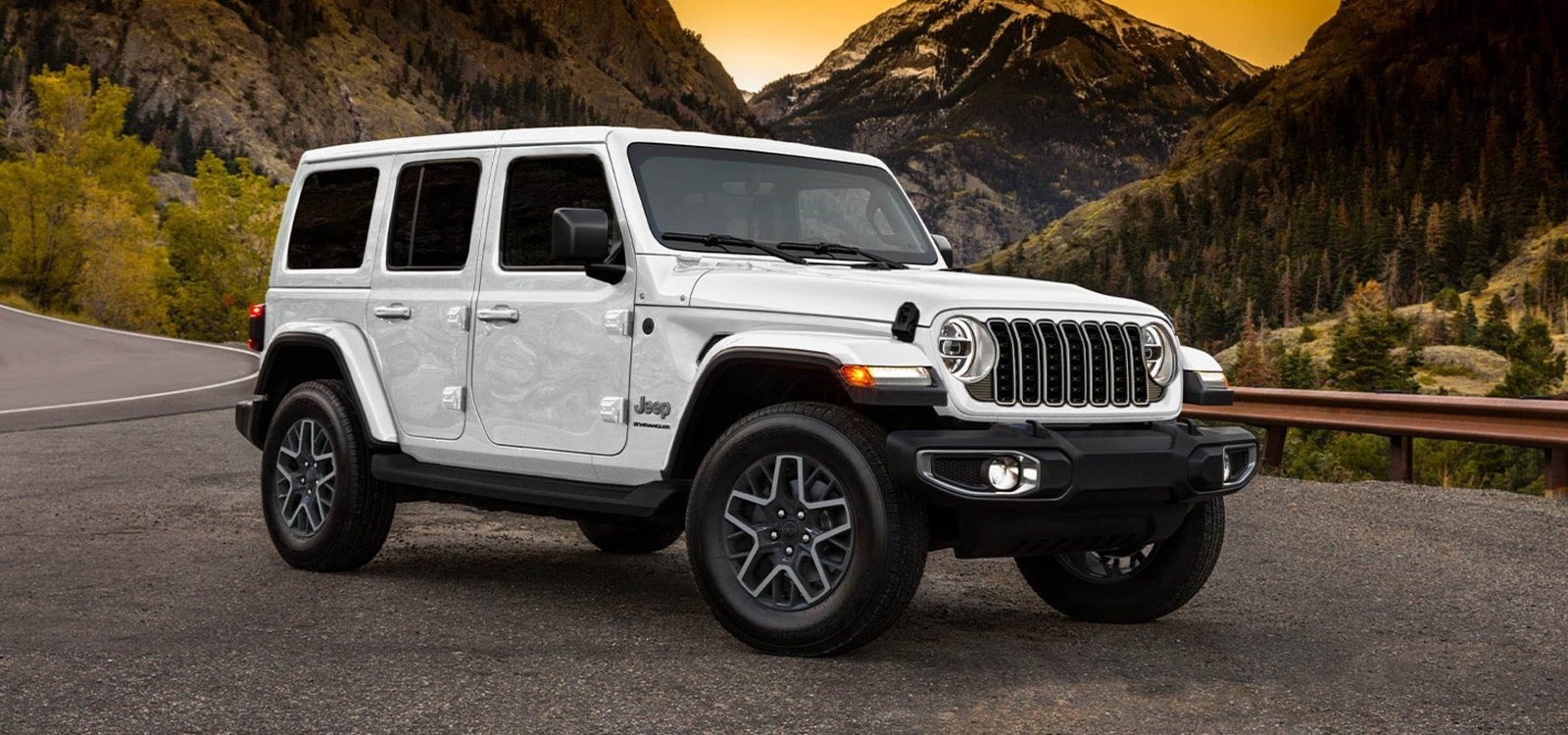
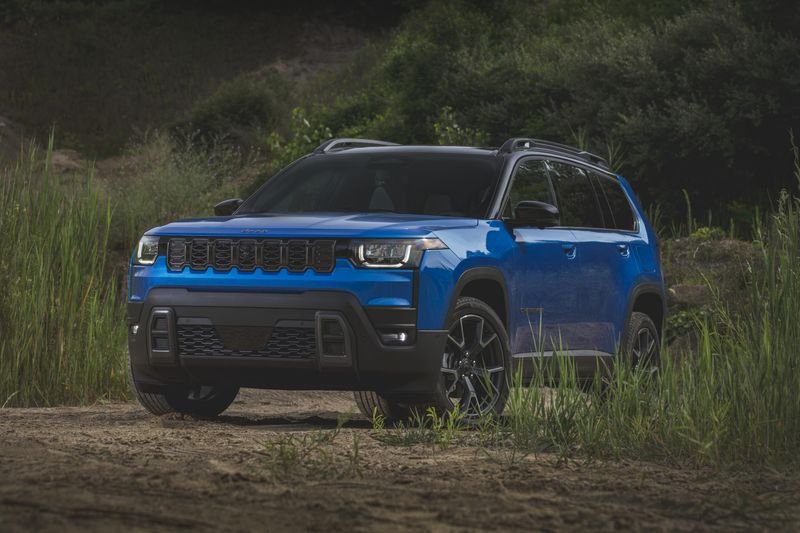
Buying a Jeep is a dream for many adventure lovers and off-road fans. The Jeep brand is known for its rugged vehicles, outdoor spirit, and strong community.
But figuring out how to get a Jeep can feel confusing, especially if you’re new to car buying.
This guide will walk you through each step, from choosing the right model to completing the purchase. Along the way, you’ll learn important tips, common mistakes to avoid, and how to make a smart decision that fits your needs and budget.
Understanding Your Needs And Budget
The first step to getting a Jeep is to know what you really want and how much you can afford. Jeeps come in different styles, such as the Wrangler, Grand Cherokee, Compass, and Gladiator. Each model serves a different purpose.
Ask yourself these questions:
- Do you want a Jeep for daily city driving or off-road adventures?
- How many seats do you need?
- Are fuel efficiency and maintenance costs important?
Setting a budget is key. Consider not just the price of the Jeep, but also insurance, taxes, registration, and future maintenance.
Many buyers forget about these extra costs and end up stretching their finances.
New Vs Used Jeep: Which Is Right For You?
One of the first big decisions is whether to buy a new or used Jeep. Each option has its pros and cons.
| Factor | New Jeep | Used Jeep |
|---|---|---|
| Price | Higher | Lower |
| Warranty | Full coverage | May be limited or expired |
| Depreciation | Faster in the first years | Slower after initial drop |
| Customization | Order as you like | Choose from what’s available |
If you want the latest features and a full warranty, a new Jeep is a good choice. If you want to save money and don’t mind a vehicle with some miles, a used Jeep might be better.
Researching Jeep Models And Features
Not all Jeeps are built the same. Take time to research the features and trims of different models. For example, the Jeep Wrangler is famous for its off-road ability, while the Grand Cherokee is more comfortable for families.
Here are important features to compare:
- 4×4 capability (for off-road)
- Engine options (gas, diesel, hybrid)
- Towing capacity
- Safety features (blind spot monitoring, airbags)
- Technology (touchscreen, navigation, Apple CarPlay)
- Cargo space
A common mistake is ignoring how a Jeep will be used most often. Don’t choose a hardcore off-roader if you spend 99% of your time on highways.
Where To Buy A Jeep
There are three main places to buy a Jeep:
- Authorized Jeep dealerships – They offer new and certified pre-owned vehicles, financing options, and warranties.
- Used car dealerships – Prices may be lower, but check the vehicle history.
- Private sellers – Can offer the best deals but come with more risk.
Always check the reputation of the seller. Read reviews, ask questions, and walk away if something feels wrong.
Financing Your Jeep
Few people pay cash for a Jeep. Most buyers use financing or leasing. Here’s a quick comparison:
| Option | How it works | Best for |
|---|---|---|
| Loan/Financing | Borrow money, make monthly payments, own the Jeep after paying off | Long-term ownership |
| Leasing | Pay to use the Jeep for a set period, return it at the end | Low monthly payments, frequent upgrades |
Check your credit score before applying. A higher score usually means lower interest rates.
Compare offers from banks, credit unions, and Jeep’s own finance deals.
Inspecting And Test Driving
Never skip the test drive. It’s the only way to know if a Jeep fits your comfort and driving style. Bring a checklist:
- Listen for strange noises from the engine or suspension.
- Test the brakes, acceleration, and steering.
- Try all buttons, lights, and tech features.
- Check for leaks and rust, especially on used Jeeps.
If buying used, request a vehicle history report and have a trusted mechanic inspect the Jeep.
Negotiating The Deal
Be prepared to negotiate. Dealers expect it. Do your homework on the Jeep’s market value (use sites like Kelley Blue Book). Start your offer lower than the asking price. Be polite but firm.
Extra costs can add up, such as dealer fees, extended warranties, and add-ons. Ask for a full breakdown before signing anything.
Completing The Paperwork
Once you agree on a price, you’ll need to sign several documents:
- Bill of sale
- Title transfer
- Loan or lease agreement
- Registration and insurance
Read everything carefully. Don’t rush, and ask questions if you’re unsure.
Tips Most First-time Jeep Buyers Miss
- Factor in customization costs. Many Jeep owners add accessories (roof racks, lights, bigger tires). These can get expensive.
- Check local laws and HOA rules. Some areas limit parking for larger vehicles or those with lift kits.
Frequently Asked Questions
How Much Does A New Jeep Cost?
A new Jeep can cost between $25,000 and $60,000 depending on the model and features. The Jeep Wrangler usually starts around $32,000, while the Grand Cherokee can go higher with luxury trims.
What Is The Most Reliable Jeep Model?
The Jeep Grand Cherokee and Jeep Wrangler are known for reliability, especially newer models. Regular maintenance is key for all Jeeps.
Can I Buy A Jeep Online?
Yes, many dealerships offer online buying options. You can browse inventory, apply for financing, and even arrange delivery. For more details, see the official Jeep online buying page.
Is It Expensive To Maintain A Jeep?
Maintenance costs depend on the model and how you use it. Off-road driving can cause more wear. On average, expect $500–$800 per year for service, not including major repairs.
Are Jeeps Good For Winter Driving?
Most Jeeps have 4×4 systems that handle snow and ice well. Features like heated seats and remote start also help in cold weather.
Getting a Jeep is an exciting journey. With the right research and careful planning, you can find the perfect vehicle for your needs and budget. Enjoy the ride and the adventures ahead.