If you drive a Jeep Wrangler, you know that keeping your cooling system healthy is important. The cooling system keeps your engine at the right temperature, stops overheating, and helps your Jeep run smoothly.
But after you replace coolant or do repairs, air can get trapped inside. This trapped air can cause overheating, poor heater performance, and even damage your engine.
That’s why you need to burp the cooling system—removing air so coolant flows everywhere it should. Let’s look at how to burp the cooling system in your Jeep Wrangler, step-by-step, with clear tips for beginners and experienced owners.
What Does “burping” Mean?
Burping the cooling system simply means removing air pockets trapped inside the radiator, hoses, or engine. Air doesn’t cool like liquid, so it can block coolant flow and cause problems. Most Jeep Wranglers, especially models with the 4.0L engine or newer V6s, need this after you change coolant, radiator, or water pump.
Signs Your Cooling System Needs Burping
If your Jeep has air in the cooling system, you might notice:
- Temperature gauge goes up and down, not steady
- Heater blows cold air even when set to hot
- Coolant reservoir bubbling or overflowing
- Overheating after a coolant change
Burping can fix these issues, but ignoring them can damage your engine.

Tools And Materials You Need
Get these items ready before you start:
- Coolant (check your Jeep’s manual for the right type)
- Distilled water
- Large funnel
- Clean rags
- Gloves
- Safety glasses
Some Jeep owners use a special burping funnel for easier filling. It’s not required, but helps prevent spills.
Step-by-step: How To Burp Cooling System Jeep Wrangler
Follow these steps to burp your Jeep’s cooling system safely and effectively.
1. Park And Prepare
- Park your Jeep on a flat surface.
- Let the engine cool down fully—never open the radiator cap when hot.
- Open the hood and locate the radiator cap and overflow reservoir.
2. Fill The Radiator
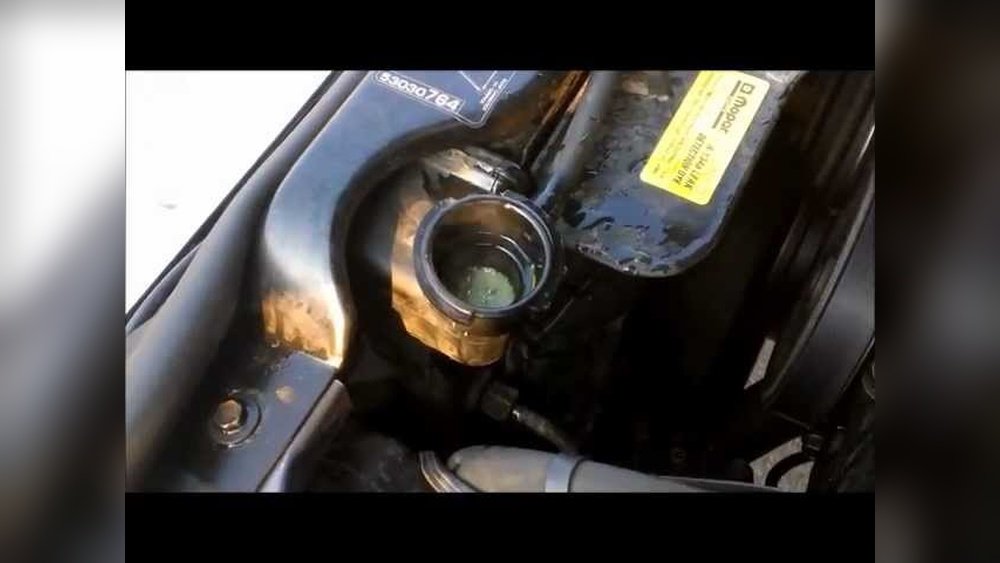
- Remove the radiator cap.
- Slowly pour coolant into the radiator until it reaches the top.
- Fill the overflow reservoir to the “Full” mark.
3. Start The Engine
- Start the engine and let it idle with the radiator cap off.
- Watch for bubbles rising—this is trapped air escaping.
- Let the engine run until the thermostat opens (usually when the temperature gauge reaches normal).
4. Add Coolant As Needed
- As air escapes, the coolant level might drop.
- Add more coolant slowly to keep it full.
- Continue until no more bubbles appear and the coolant level stays steady.
5. Replace The Radiator Cap
- Once bubbling stops and coolant is at the right level, put the radiator cap back on tightly.
- Fill the overflow tank again if needed.
6. Test Drive And Check
- Take your Jeep for a short drive.
- Watch the temperature gauge—should stay steady.
- Check the heater—should blow hot air.
- After driving, recheck coolant levels and add if needed.

Data: Typical Jeep Wrangler Coolant Capacity
Different Jeep Wrangler models need different amounts of coolant. Here’s a quick comparison:
| Model Year | Engine | Coolant Capacity (quarts) |
|---|---|---|
| 1997-2006 | 4.0L I6 | 14.0 |
| 2007-2011 | 3.8L V6 | 13.5 |
| 2012-2024 | 3.6L V6 | 13.0 |
Always check your owner’s manual for exact numbers.
Common Mistakes When Burping
Many Jeep owners make simple mistakes that cause problems:
- Forgetting to let the engine cool before opening the cap
- Filling coolant too quickly, trapping air
- Not running the engine long enough to open the thermostat
- Using tap water instead of distilled water, which can cause deposits
Avoid these errors for a smooth process.
Practical Tips For Success
- If your radiator has a bleeder screw, use it to release air faster.
- Squeeze upper radiator hose gently while engine idles—helps push bubbles out.
- Always use the recommended coolant type for your Jeep.
- If you see bubbles after several tries, there may be a leak or faulty radiator cap.
Jeep Wrangler Cooling System: Components Comparison
Here’s a simple look at main cooling system parts and their job:
| Component | Purpose | Signs of Failure |
|---|---|---|
| Radiator | Cools the coolant | Leaking, overheating |
| Thermostat | Controls coolant flow | Stuck open/closed, temp issues |
| Water Pump | Moves coolant | Noise, leaks, overheating |
| Hoses | Carry coolant | Cracks, leaks |
| Overflow Reservoir | Stores extra coolant | Bubbling, low coolant |
Knowing these can help spot problems early.

Advanced Burping Methods
Some Jeep mechanics use extra steps:
- Jack up front of Jeep slightly—helps air rise to radiator
- Use a vacuum filler tool to remove air
- Replace old hoses and radiator cap to improve sealing
For most owners, the standard method above works well. But if problems continue, advanced steps or a mechanic’s help may be needed.
How Often Should You Burp?
Any time you drain coolant or replace parts like the radiator or water pump, burping is needed. On average, every 2-3 years when you change coolant is a good rule.
Real-world Example
A 2015 Jeep Wrangler owner noticed overheating after a radiator change. Burping the cooling system fixed the issue.
They found bubbles in the radiator and saw the heater blow cold air. After burping, the engine ran at normal temperature and the heater worked again.
This shows how small steps can prevent big problems.
Frequently Asked Questions
How Long Does It Take To Burp A Jeep Wrangler’s Cooling System?
Most burping takes 20–40 minutes. It depends on engine type and how much air is trapped.
Can I Drive My Jeep If There’s Air In The Cooling System?
It’s risky. Air pockets can cause overheating and engine damage. Always burp after repairs or coolant changes.
What’s The Best Coolant For Jeep Wranglers?
Use HOAT (Hybrid Organic Acid Technology) coolant for 2002 and newer Wranglers. Older models often need green conventional coolant. Check your manual for details.
Does Burping Work For All Jeep Engines?
Yes, burping works for all Jeep Wrangler engines, but the process may vary. Newer V6 engines sometimes need longer burping time.
Where Can I Find Official Jeep Wrangler Maintenance Info?
Visit the official Jeep site: Jeep Owner’s Manuals for detailed maintenance guides.
Keeping your Jeep Wrangler’s cooling system burped and air-free is key for a reliable ride. With these steps and tips, you can handle it like a pro even if you’re new to car maintenance.
Take your time, follow each step, and your Jeep will stay cool under pressure.