Testing the fuel system on a 2004 Jeep Wrangler can save you time, money, and headaches. If your Jeep stalls, hesitates, or has poor fuel economy, the fuel system might be to blame. Many owners overlook small issues that lead to big repairs later. This guide will help you check each part of your Wrangler’s fuel system confidently, even if you have limited experience. With the right steps, you’ll discover problems early and keep your Jeep running strong.
Understanding The 2004 Jeep Wrangler Fuel System
The fuel system in your 2004 Wrangler includes several parts that work together to deliver fuel to the engine. The main components are:
- Fuel pump
- Fuel filter
- Fuel injectors
- Fuel pressure regulator
- Fuel lines
- Fuel tank
Each part needs to work perfectly. A small issue in one area can affect engine performance and reliability.
Tools And Safety Precautions
Before starting, gather these tools:
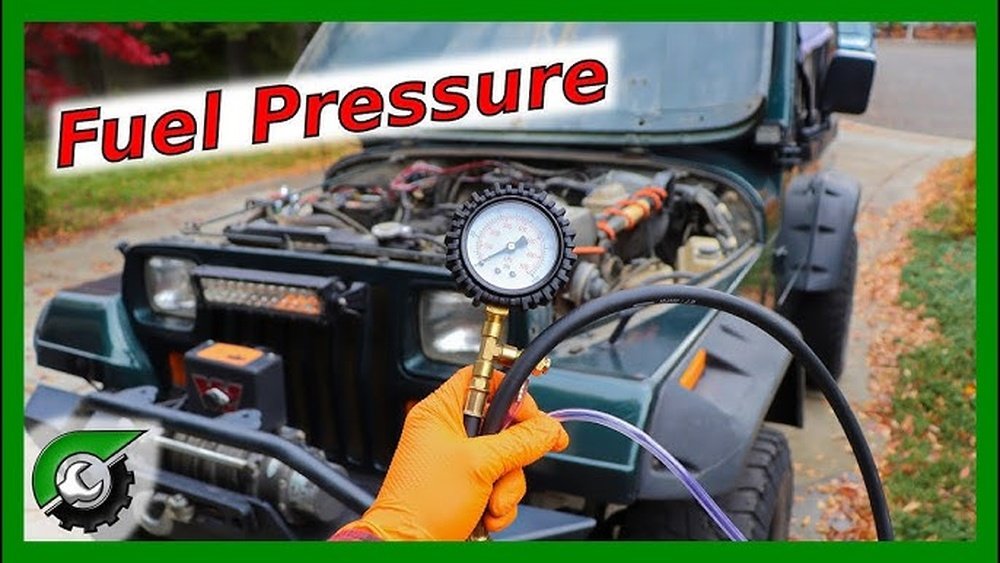
- Fuel pressure gauge
- OBD-II scanner
- Wrenches and screwdrivers
- Shop rags
- Eye protection
- Gloves
- Fire extinguisher
Always work in a well-ventilated area and keep sparks or open flames away from fuel.
Step-by-step Fuel System Testing
1. Check For Trouble Codes
Plug in an OBD-II scanner under the dashboard. This reads error codes from the computer. Common codes related to the fuel system include:
- P0171: System too lean
- P0172: System too rich
- P0300: Random/multiple misfire
If you find codes, write them down. They point to possible issues with injectors, sensors, or the fuel pump.
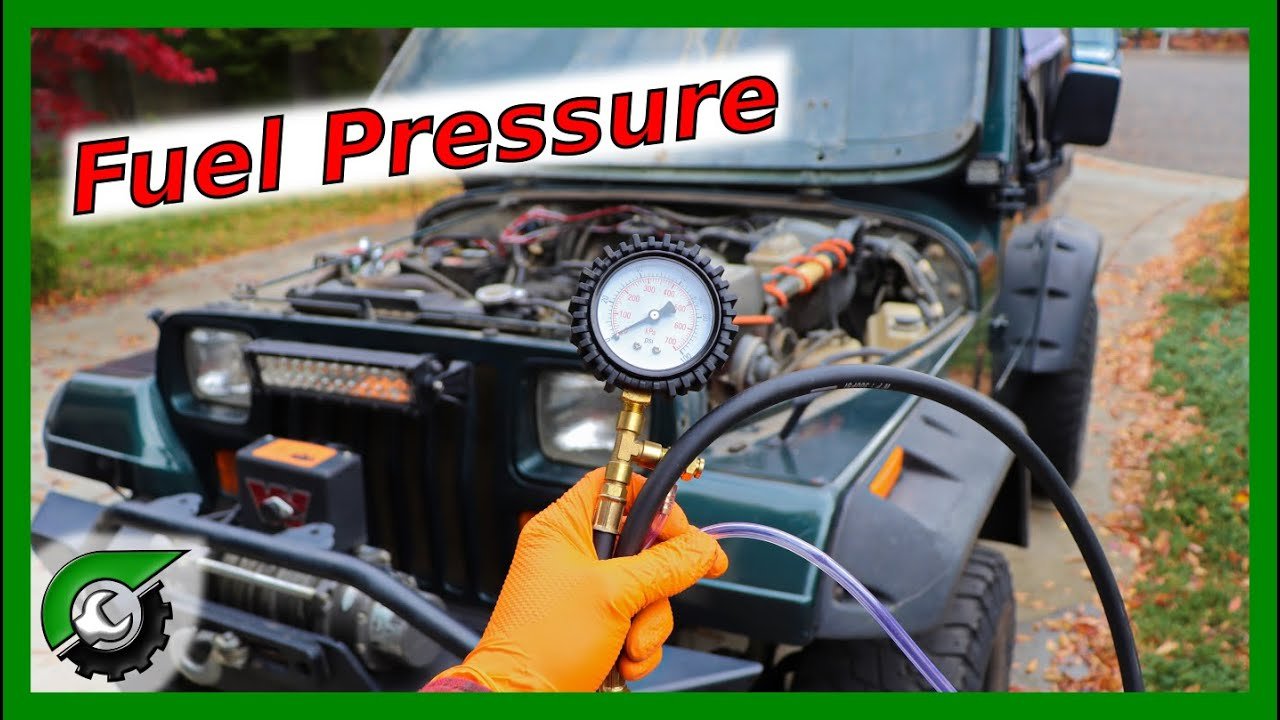
2. Test The Fuel Pump And Pressure
Low or high fuel pressure causes rough running or stalling. Here’s how to test:
- Locate the fuel rail on the engine.
- Find the Schrader valve (it looks like a bicycle tire valve).
- Attach the fuel pressure gauge.
- Turn the key to “ON” (don’t start the engine).
The pressure should read 47-50 psi for a 2004 Wrangler. If it’s outside this range, the fuel pump or pressure regulator may be faulty.
Comparison: Normal Vs. Faulty Fuel Pressure
| Condition | Pressure (psi) | Possible Cause |
|---|---|---|
| Normal | 47-50 | Fuel system OK |
| Low | < 47 | Weak pump, clogged filter |
| High | > 50 | Faulty regulator |
3. Inspect The Fuel Filter
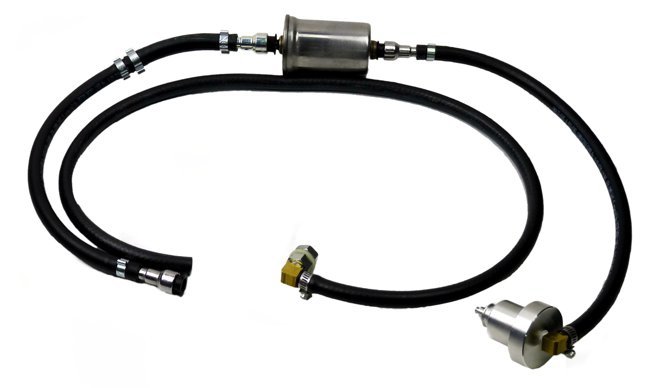
A clogged fuel filter restricts flow. Jeep recommends changing it every 30,000 miles. On a 2004 Wrangler, the filter is part of the fuel pump assembly inside the tank. If you suspect a clog, look for these signs:
- Engine sputtering at high speed
- Hard starts
- Reduced power
If you find low pressure and the pump sounds normal, a clogged filter is likely.
4. Test The Fuel Injectors
Fuel injectors can become dirty or stuck. A quick way to check:
- Listen for a clicking sound from each injector with a mechanic’s stethoscope.
- Unplug each injector’s connector while the engine runs. The idle should change slightly for each.
If one cylinder does not change, that injector may be failing.
5. Inspect Fuel Lines And Tank
Look for leaks, damage, or corrosion in the fuel lines and around the tank. Even small leaks are dangerous and reduce pressure.
Common Areas For Leaks
| Location | Sign of Leak |
|---|---|
| Fuel lines (under body) | Wet spots, fuel smell |
| Fuel tank seam | Drips after parking |
| Connections at fuel filter | Stains, dampness |
6. Check The Fuel Pressure Regulator
The fuel pressure regulator keeps pressure steady. To test:
- Remove the vacuum line from the regulator.
- If fuel comes out, the diaphragm is leaking and the regulator needs replacement.
- Pressure should rise slightly when the vacuum line is removed.
A bad regulator can cause both high and low pressure problems.
Real-world Example
A 2004 Wrangler owner noticed hard starts and poor acceleration. Fuel pressure was 40 psi (too low). The owner checked the fuel pump—no noise. After replacing the pump assembly (including the filter), pressure returned to 48 psi and performance improved. This shows how testing can pinpoint the exact cause, avoiding guesswork.
Troubleshooting Tips
- Never ignore a check engine light—it often points directly to a fuel system issue.
- If you smell fuel, stop and check for leaks before continuing.
- Always depressurize the system before disconnecting lines. Remove the fuel pump relay and run the engine until it stalls.
When To Seek Professional Help
Not all problems can be fixed at home. If you find fuel leaks, suspect a wiring fault, or your tests show inconsistent results, consult a professional mechanic. Some repairs, like replacing the in-tank pump or filter, require special tools and safety measures.
Fuel System Maintenance Schedule
Follow this basic schedule for your 2004 Wrangler:
| Component | Inspection Interval | Replacement Interval |
|---|---|---|
| Fuel Filter | 30,000 miles | As needed |
| Fuel Pump | Every service | 100,000+ miles |
| Fuel Injectors | 50,000 miles | As needed |
| Fuel Lines | Every service | As needed |
Frequently Asked Questions
How Do I Know If My 2004 Wrangler’s Fuel Pump Is Bad?
A failing fuel pump often causes hard starts, stalling, or no start at all. Check for low fuel pressure and listen for a humming noise from the tank when you turn the key.
Can I Clean Fuel Injectors Myself?
Yes, you can use fuel injector cleaner in the gas tank. For severe clogs, professional cleaning may be needed. Remove and test each injector if performance doesn’t improve.
What Is The Normal Fuel Pressure For A 2004 Jeep Wrangler?
Normal fuel pressure should be between 47-50 psi with the engine on. Anything outside this range suggests a problem with the pump, filter, or regulator.
How Often Should I Replace The Fuel Filter?
On the 2004 Wrangler, the fuel filter is part of the pump assembly. Replace it if you have low pressure or at major service intervals, usually every 100,000 miles.
Where Can I Find More Details On Jeep Wrangler Fuel Systems?
For more technical information, visit the Jeep Wrangler Wikipedia page, which offers in-depth resources and links.
Testing your 2004 Jeep Wrangler’s fuel system is a smart way to keep your vehicle running its best. With the right tools and safety steps, you can find most problems before they become serious.
Pay attention to small changes, and don’t hesitate to get help for complex issues.
A well-maintained fuel system means more reliable adventures on or off the road.