Owning a Jeep Wrangler is exciting, but keeping it running smoothly means paying attention to simple maintenance tasks. One task many owners overlook is bleeding the cooling system.
If you skip this step after replacing coolant or working on the radiator, you risk overheating, poor heater performance, or even engine damage. This guide will walk you through how to bleed the cooling system on a Jeep Wrangler, using clear steps and expert advice.
Even beginners can follow these instructions confidently.
Why Bleeding The Cooling System Matters
Air trapped inside the cooling system can cause big problems. Without proper bleeding, your Jeep may:
- Overheat unexpectedly
- Show erratic temperature readings
- Deliver weak heat from the heater
- Suffer from engine damage due to hot spots
A well-bled cooling system ensures consistent temperature, protects your engine, and gives you reliable performance both on and off the road.
Tools And Materials You’ll Need
Before you start, gather these supplies:
- Coolant (as specified in your owner’s manual)
- Funnel
- Clean rags or towels
- Gloves
- Flathead screwdriver
- Large drain pan
- Safety goggles
Most Jeep Wrangler models use a 50/50 mix of water and coolant. Always check your manual for the correct type.

Step-by-step Guide To Bleed The Cooling System
Follow these steps carefully to remove air and keep your Wrangler healthy.
Step 1: Park And Prepare
Make sure the Jeep is parked on a level surface. Let the engine cool completely. Open the hood and locate the radiator cap and coolant reservoir.
Step 2: Drain And Refill Coolant
If you’re replacing coolant:
- Place the drain pan under the radiator.
- Open the drain valve and let the old coolant flow out.
- Close the valve and refill the radiator using the funnel. Fill until the coolant reaches the neck.
If you’re just bleeding after minor repairs, skip draining.
Step 3: Start The Engine And Warm Up
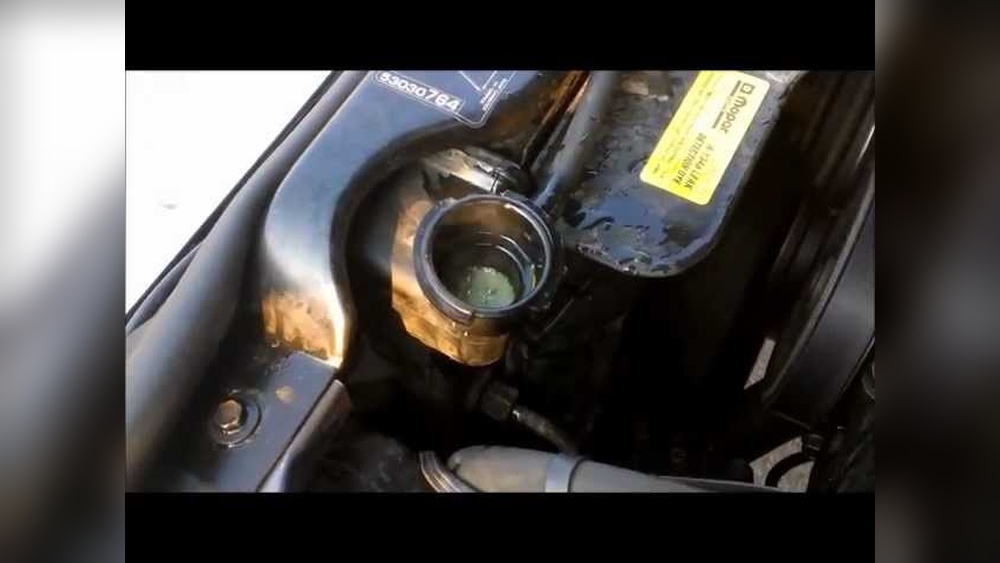
Turn the engine on. Let it idle with the radiator cap off. Watch as the coolant level drops, which shows air is escaping. Add more coolant if needed. Once the engine reaches its normal temperature, the thermostat opens and allows coolant to circulate.
Step 4: Squeeze The Upper Radiator Hose
Wearing gloves, gently squeeze the upper radiator hose. This helps release air bubbles trapped inside. Do this for 1-2 minutes while the engine runs.
Step 5: Watch For Air Bubbles
Look inside the radiator neck. You’ll see air bubbles rising and escaping. When the bubbles stop and the coolant level stabilizes, most air is gone.
Step 6: Top Off Coolant And Replace Cap
Add coolant until it’s just below the neck. Tighten the radiator cap securely.
Fill the coolant reservoir to the recommended level.
Step 7: Test Drive And Recheck
Drive your Jeep for 10-15 minutes. Afterward, let the engine cool and check coolant levels again.
Add more if necessary. If you see leaks or the temperature gauge acts strange, repeat the bleeding process.
Common Mistakes To Avoid
Some mistakes can cause trouble later. Here are things to watch out for:
- Forgetting to let the engine cool before starting
- Using the wrong coolant type
- Not squeezing hoses to help bubbles escape
- Ignoring low coolant levels after bleeding
Beginners often miss the importance of checking coolant levels after test driving. Always recheck after the engine cools, since trapped air may escape during your drive.
Comparison: Jeep Wrangler Cooling System Vs. Other Suvs
Here’s how the Wrangler’s cooling system compares to similar SUVs:
| Vehicle | Cooling System Capacity (quarts) | Common Bleeding Method |
|---|---|---|
| Jeep Wrangler | 14-16 | Manual bleed, squeeze hoses |
| Ford Bronco | 15 | Bleed valve, manual |
| Toyota 4Runner | 13 | Automatic bleed, heater on |
Signs That Bleeding Was Successful
Not sure if you finished the job? Look for these signs:
- Engine runs at normal temperature
- Heater works well
- No air bubbles in radiator
- Coolant level stays steady after driving
Troubleshooting Tips
If you still see problems after bleeding, try these steps:
- Check for leaks under the Jeep.
- Inspect the radiator cap for damage.
- Turn the heater on full while bleeding—this helps release hidden air.
- Repeat the process if bubbles return.
Some Jeep Wranglers (especially older models) may need several cycles before all air escapes.
Data Table: Effects Of Air In Cooling System
Let’s see how trapped air affects engine performance:
| Amount of Air (oz) | Engine Temp Increase (°F) | Heater Output |
|---|---|---|
| 0 | 0 | Optimal |
| 2 | 10 | Weak |
| 4+ | 25+ | Very poor |

Extra Advice For Jeep Owners
Many drivers forget to turn the heater on while bleeding. This is a non-obvious step that helps air escape from the heater core. Also, always use distilled water if you mix coolant yourself—tap water can cause deposits and damage.
Frequently Asked Questions
How Often Should I Bleed The Cooling System On My Jeep Wrangler?
You should bleed the cooling system any time you replace coolant, work on the radiator, or notice overheating. For most owners, this means every 2-3 years or after repairs.
Can I Use Universal Coolant In A Jeep Wrangler?
It’s best to use the specific coolant type recommended in your owner’s manual. Universal coolants may not protect all metals in your engine.
What Happens If I Don’t Bleed The Cooling System?
If you skip bleeding, your engine may overheat, and the heater may not work well. Over time, this can lead to serious engine damage and expensive repairs.
Is There A Bleed Valve On All Jeep Wranglers?
Most Jeep Wranglers do not have a special bleed valve. Bleeding is usually done by running the engine with the radiator cap off and squeezing the hoses.
Where Can I Find More Details About Jeep Cooling Systems?
For detailed technical info, check the official Jeep website or visit Jeep.com.
Bleeding the cooling system on your Jeep Wrangler is simple but vital. Taking a little extra time ensures your Jeep stays cool and reliable, ready for any adventure.
Follow these steps, watch for signs of success, and enjoy worry-free driving.