If you own a Jeep and see the Electronic Throttle Control (ETC) warning light on your dashboard, you might feel worried. The ETC system is important for your Jeep’s performance and safety.
When there’s a problem, your engine may lose power, run rough, or even stall. Luckily, fixing ETC issues is possible for many Jeep owners, even without advanced tools.
This article explains what the ETC system does, why the warning light turns on, and how you can troubleshoot and fix common problems.

What Is Electronic Throttle Control?
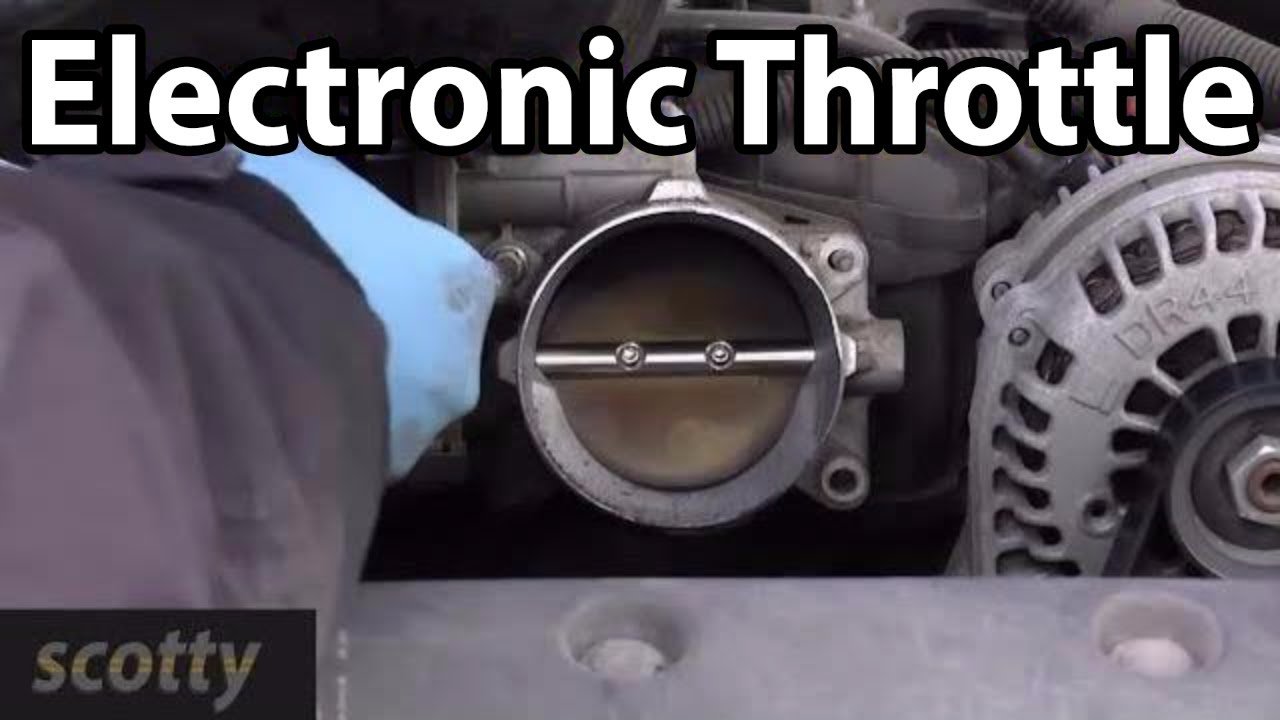
Modern Jeeps do not use a physical cable between the gas pedal and engine. Instead, they use a drive-by-wire system. The ETC uses sensors and an actuator to control how much air goes into the engine, based on how much you press the pedal. This helps with smooth driving, better fuel economy, and lower emissions.
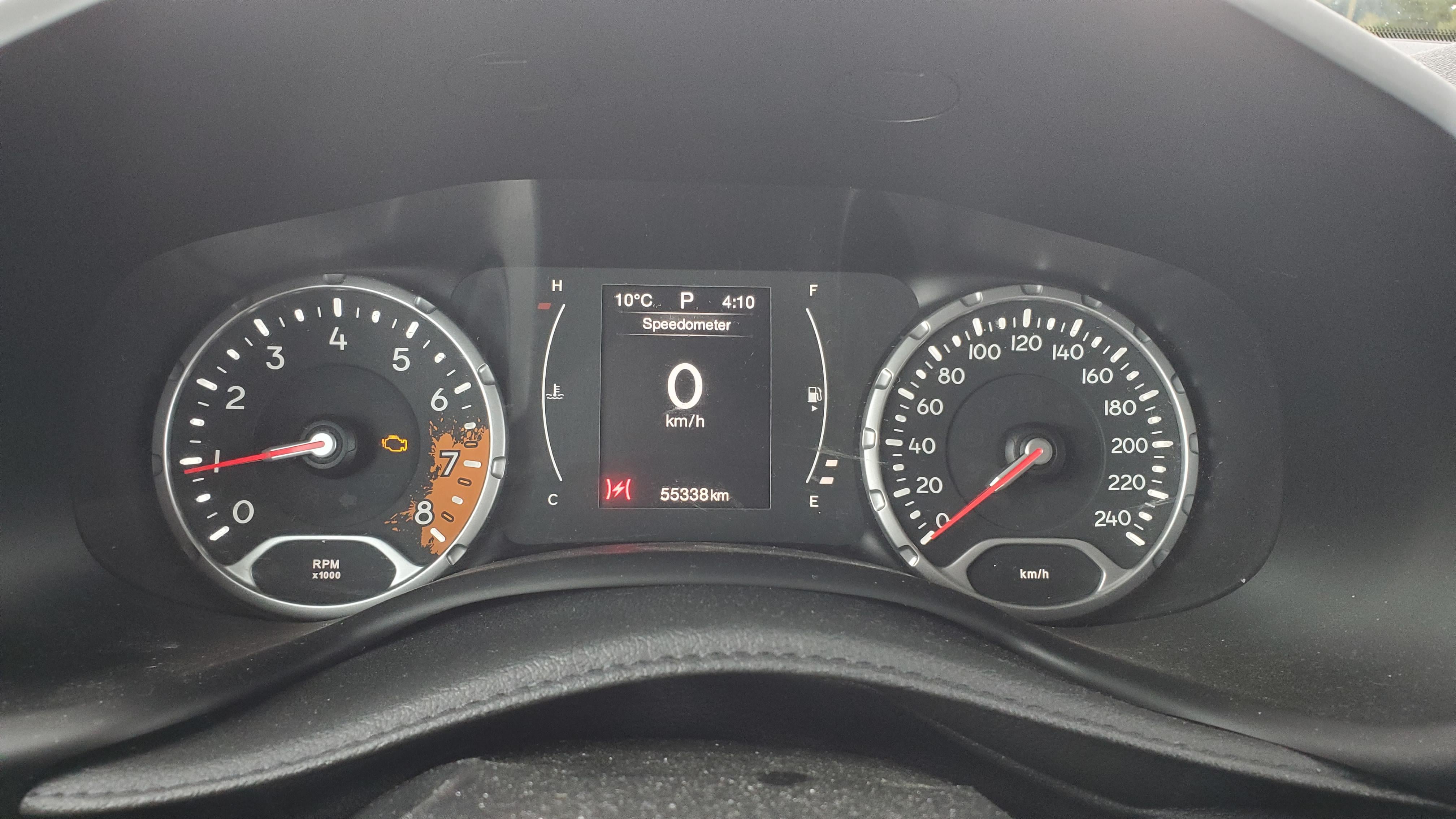
If the ETC is not working right, you will often see a yellow or red lightning bolt symbol on your dashboard. Sometimes, your Jeep may go into “limp mode,” which limits power to protect the engine.
Common Causes Of Etc Problems In Jeeps
Several issues can trigger the ETC warning light. Here are the most common:
- Dirty or faulty throttle body: Carbon buildup can block airflow.
- Bad throttle position sensor (TPS): Sends wrong signals to the computer.
- Wiring or connector problems: Loose or damaged wires can interrupt signals.
- Faulty accelerator pedal sensor: The pedal sensor may fail or have poor connections.
- Software glitches: Sometimes, the Jeep’s computer needs a reset or update.
A key thing beginners often miss is that even a small wiring issue can trigger the ETC light. Also, sometimes a weak battery or poor ground connection can cause false ETC warnings.
Signs Your Jeep’s Etc Needs Attention
- Throttle response is delayed or uneven
- Engine stalls or idles roughly
- Reduced engine power (limp mode)
- ETC warning light stays on or flashes
If you notice these symptoms, don’t ignore them. Driving with ETC problems can be unsafe and may cause more damage.
Step-by-step: How To Fix Electronic Throttle Control Jeep
Follow these steps to diagnose and fix ETC problems. Some are easy to do at home, while others may require a mechanic.
1. Check For Error Codes
Use an OBD-II scanner to read trouble codes from your Jeep’s computer. Common codes include P2111 (throttle actuator stuck open) or P2135 (throttle/pedal position sensor voltage mismatch). Write down all codes for reference.
2. Inspect And Clean Throttle Body
- Disconnect the negative battery cable.
- Remove the air intake hose to access the throttle body.
- Check for carbon buildup or dirt.
- Use throttle body cleaner and a soft brush to clean inside.
- Reinstall everything and reconnect the battery.
Cleaning the throttle body fixes ETC issues for many Jeep owners, especially if you see black deposits.
3. Inspect Wiring And Connectors
Look for loose, frayed, or corroded wires around the throttle body, accelerator pedal, and ETC module. Secure all connections. If you find damaged wires, repair them with proper connectors or electrical tape.
4. Reset The System
Sometimes, the ETC just needs a reset:
- Turn the key to “ON” (do not start).
- Slowly press the gas pedal to the floor, then release.
- Turn off the key.
- Start the engine and see if the light goes off.
This can clear minor glitches, but won’t solve hardware faults.
5. Replace Faulty Parts
If cleaning and checking wires do not help, you may need to replace a part:
- Throttle body assembly
- Throttle position sensor
- Accelerator pedal assembly
Make sure to use OEM (original) parts for best results. After replacing, clear error codes with your scanner.
Diy Vs. Professional Repair
Some ETC fixes are simple, while others need special tools or skills. Here’s a quick comparison:
| Task | DIY Level | Tools Needed | Estimated Cost |
|---|---|---|---|
| Clean throttle body | Easy | Cleaner, screwdriver | $10–$30 |
| Check wiring | Medium | Multimeter | $0–$20 |
| Replace throttle body | Hard | Socket set | $150–$400 |
If you are not sure, get help from a certified Jeep technician.
Preventing Future Etc Problems
Simple habits can reduce ETC issues:
- Use high-quality fuel to avoid deposits.
- Change the air filter regularly.
- Check battery and electrical connections every few months.
- Do not ignore warning lights—fix problems early.
Many Jeep owners forget that a weak battery can cause ETC warnings. Keeping your battery healthy can prevent many electronic issues.
When To Seek Professional Help
If the ETC warning comes back after repairs, or your Jeep keeps entering limp mode, visit a dealer or trusted mechanic. Advanced problems may involve the vehicle’s computer, which requires special diagnostic tools.
Here’s a comparison of when to DIY and when to seek help:
| Situation | DIY | Mechanic Needed |
|---|---|---|
| ETC light after rain | ✔️ | |
| Multiple warning lights | ✔️ | |
| Replacing sensors | ✔️ | |
| ECU software update | ✔️ |
Reliable Resources
For more technical details about Jeep ETC systems, you can visit the official Jeep Maintenance page.
Taking action quickly when you see the ETC warning light can keep your Jeep running smoothly and prevent expensive repairs. Most ETC issues can be fixed with basic tools and a careful approach.

Frequently Asked Questions
What Does The Electronic Throttle Control Light Look Like?
The ETC light is a yellow or red lightning bolt symbol on your dashboard. It warns you of a problem with the throttle system.
Is It Safe To Drive With The Etc Light On?
It’s not recommended. You may lose power or the engine could stall.
Drive carefully to a safe place and fix the issue as soon as possible.
How Much Does It Cost To Fix Etc Problems On A Jeep?
Costs vary. Cleaning the throttle body may cost $10 $30.
Replacing the throttle body or sensors can range from $150 to $400 or more.
Can A Bad Battery Cause Etc Issues?
Yes. A weak or failing battery can cause false ETC warnings or poor throttle response.
Does The Etc System Need Regular Maintenance?
No special maintenance is needed, but keeping the throttle body clean and battery connections tight can prevent problems.
Fixing your Jeep’s electronic throttle control does not have to be stressful. By following these steps and paying attention to warning signs, you can solve most ETC issues and get back on the road with confidence.