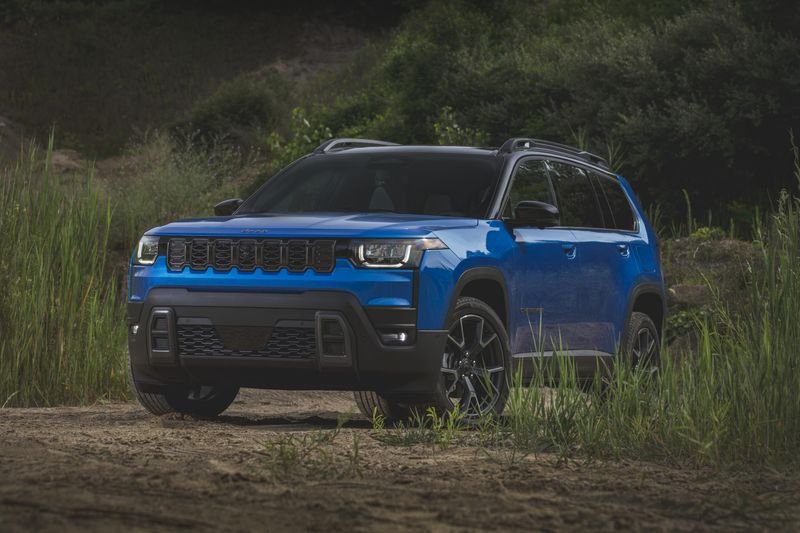
Flushing the radiator in your Jeep Cherokee is one of those tasks that can save you money and prevent engine trouble. Over time, coolant breaks down and can carry debris that clogs the system. This leads to overheating and expensive repairs. Doing a radiator flush at home is easier than you might think. With a few tools and some patience, you can keep your Cherokee running cool and smooth.
Why Flush Your Jeep Cherokee Radiator?
Radiators play a key role in engine cooling. Dirty coolant leads to rust, scale, and poor heat transfer. Overheating is a common issue if the radiator is blocked. Most experts recommend flushing the radiator every 30,000 miles or every two years, whichever comes first.
Here are some signs your Jeep Cherokee may need a radiator flush:
- The engine temperature gauge is higher than normal
- Coolant looks brown or rusty
- You notice leaks or sweet smell under the hood
- Heater isn’t working well
Tools And Supplies Needed
Before starting, gather the following:
- Coolant flush solution
- New coolant (use the type specified for your Cherokee: Usually HOAT or OAT)
- Bucket or drain pan (at least 2 gallons)
- Wrench or pliers
- Funnel
- Gloves and safety glasses
For most Jeep Cherokees, you’ll need about 2 gallons of coolant for refill. Always check your owner’s manual for exact specs.
| Tool/Supply | Purpose | Estimated Cost |
|---|---|---|
| Coolant Flush Solution | Removes deposits | $10–$15 |
| New Coolant | Refill system | $20–$30 |
| Drain Pan | Collect old fluid | $5–$10 |
| Funnel | Pour new coolant | $3–$8 |

Step-by-step Guide To Flushing Your Radiator
1. Let The Engine Cool
Never work on a hot engine. Wait at least one hour after driving. This prevents burns from hot coolant.
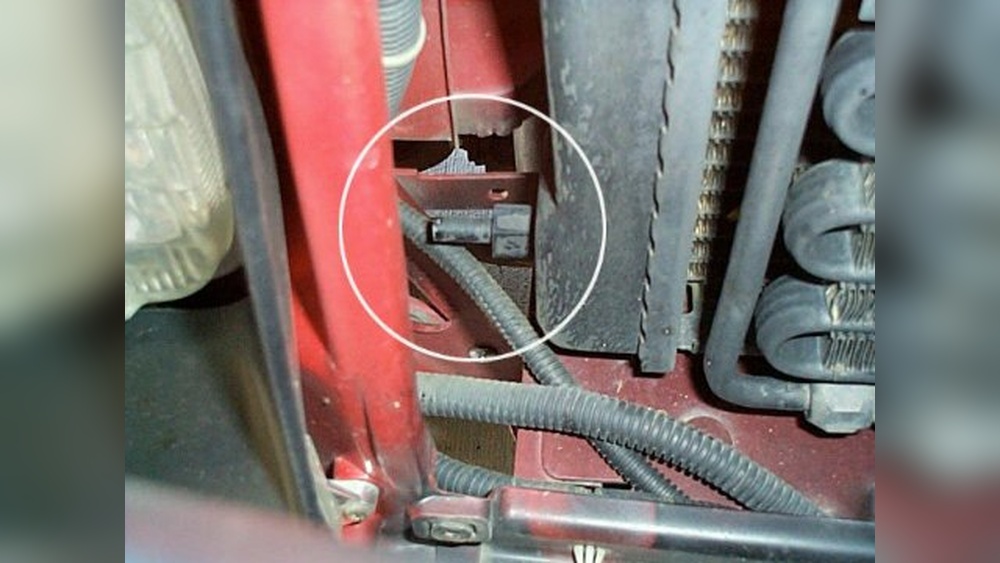
2. Locate The Radiator Drain
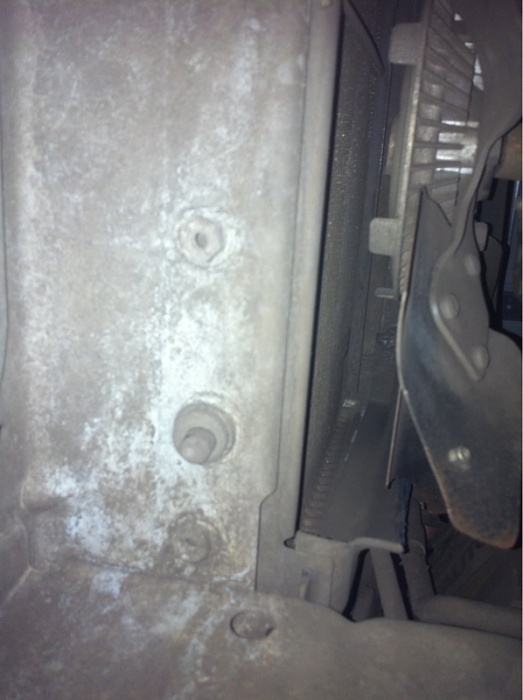
Open the hood and find the radiator drain plug. On most Jeep Cherokees, it’s at the bottom of the radiator, facing the engine. Place your drain pan underneath.
3. Drain Old Coolant
Carefully remove the drain plug. Allow coolant to flow into the pan.
You can also remove the radiator cap to speed up draining. Dispose of old coolant at a recycling center; never pour it down the drain.
4. Flush With Water
Replace the drain plug. Fill the radiator with distilled water using a funnel. Start the engine and let it run for 10 minutes with the heater on. This helps clean out old deposits. Turn off the engine, let it cool, and drain the water.
5. Add Flush Solution
Pour in the coolant flush solution and fill with water. Run the engine for another 10–15 minutes as directed on the product label. Drain the system again once cooled.
6. Final Rinse
Fill the radiator with distilled water one more time. Run the engine for 5 minutes, then drain. This clears out any leftover flush solution.
7. Refill With New Coolant
Replace the drain plug. Using a funnel, fill the radiator with the correct mix of coolant and distilled water (usually 50/50).
Start the engine and let it idle with the radiator cap off. Watch for air bubbles and add more coolant as needed.
When bubbles stop, put the cap back on.
8. Check For Leaks And Test Drive
Inspect for leaks around the radiator and hoses. Take your Jeep Cherokee for a short drive. Check the temperature gauge and heater performance.
| Flush Step | Approximate Time | Risk Level |
|---|---|---|
| Drain Coolant | 10 min | Low |
| Flush with Water | 15 min | Low |
| Add Flush Solution | 20 min | Medium |
| Final Rinse | 10 min | Low |
| Refill Coolant | 10 min | Low |
Common Mistakes And Tips
Many beginners forget to:
- Let the engine cool completely before starting
- Use the correct coolant type (mixing types can cause damage)
- Properly dispose of old coolant
- Check for air pockets after refilling
Air pockets can cause overheating. To prevent this, run the engine with the radiator cap off until bubbles stop. If your Cherokee has a bleed valve, use it to release trapped air.
If you notice leaks or the coolant level drops quickly, check for loose hoses or a faulty radiator cap. Sometimes, a flush can reveal weak spots in an old radiator.
| Coolant Type | Jeep Cherokee Years | Mix Ratio |
|---|---|---|
| HOAT | 2002–2012 | 50/50 |
| OAT | 2013–present | 50/50 |
Non-obvious Insights
- If you live in colder climates, use a 60/40 coolant/water mix for extra freeze protection.
- Always check the heater core hoses—sometimes debris blocks these and a flush solves poor heating.
- After a flush, drive for a week and recheck the coolant level. Air pockets can cause it to drop after the first drive.
- If your Cherokee has electric fans, make sure they run during the flush. This ensures proper coolant flow.
Frequently Asked Questions
How Often Should I Flush My Jeep Cherokee Radiator?
Most experts recommend every 30,000 miles or two years. If you drive in hot climates or use your Cherokee for towing, flush more often.
What Type Of Coolant Should I Use?
Always use the coolant recommended in your owner’s manual. Older Cherokees use HOAT; newer models use OAT. Mixing types can damage your system.
Can I Flush The Radiator Without A Flush Solution?
You can use distilled water only, but a flush solution removes deposits more effectively. It’s best for older vehicles with visible rust or scale.
Is It Safe To Dispose Of Old Coolant At Home?
No. Coolant is toxic to pets and humans.
Always bring it to a recycling center or auto shop. Never pour it down the drain or on the ground.
What If My Engine Overheats After The Flush?
First, check for air pockets and leaks. Run the engine with the radiator cap off to release trapped air. If overheating continues, consult a mechanic or check the thermostat.
Regular radiator flushes are a smart way to protect your Jeep Cherokee’s engine and heating system. With the right tools and careful steps, you can handle this task at home and keep your vehicle running strong. For official guidance, visit Jeep Owner’s Manual for model-specific details.