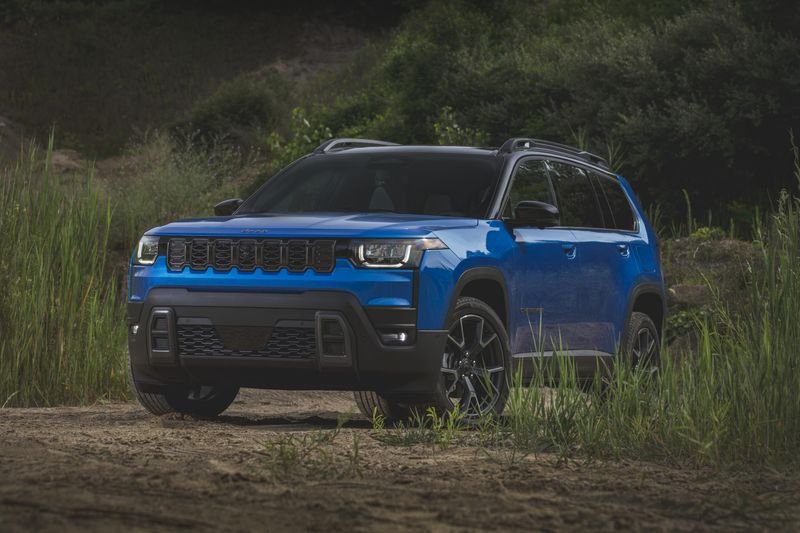
Flushing your Jeep’s radiator is not just a maintenance task it’s essential for keeping your engine cool and protected. Old coolant, dirt, and rust can build up inside the radiator, causing overheating or even serious engine damage.
Many drivers skip this step, thinking it’s complicated or only needed when problems appear.
But flushing your radiator every 30,000 to 50,000 miles (or as recommended in your Jeep’s manual) can prevent expensive repairs and keep your vehicle running strong.
This guide explains exactly how to flush a Jeep radiator, with practical advice, clear steps, and tips to avoid common mistakes.
Why Flushing A Jeep Radiator Matters
Your radiator keeps the engine at the right temperature. It does this by circulating coolant—a mix of water and antifreeze—through the engine and radiator. Over time, coolant breaks down and loses its ability to protect your engine. Dirt, rust, and mineral deposits collect inside, blocking passages and reducing cooling efficiency.
A dirty radiator can cause:
- Overheating: Engine runs too hot, risking major damage
- Reduced performance: Loss of power, rough idling
- Corrosion: Rust eats away at metal parts
- Leaks: Old coolant can cause seals to fail
If you notice your Jeep’s temperature gauge rising, see rust-colored coolant, or smell something sweet from the engine bay, it’s time for a flush.
Tools And Supplies You’ll Need
Before you start, gather these tools and supplies:
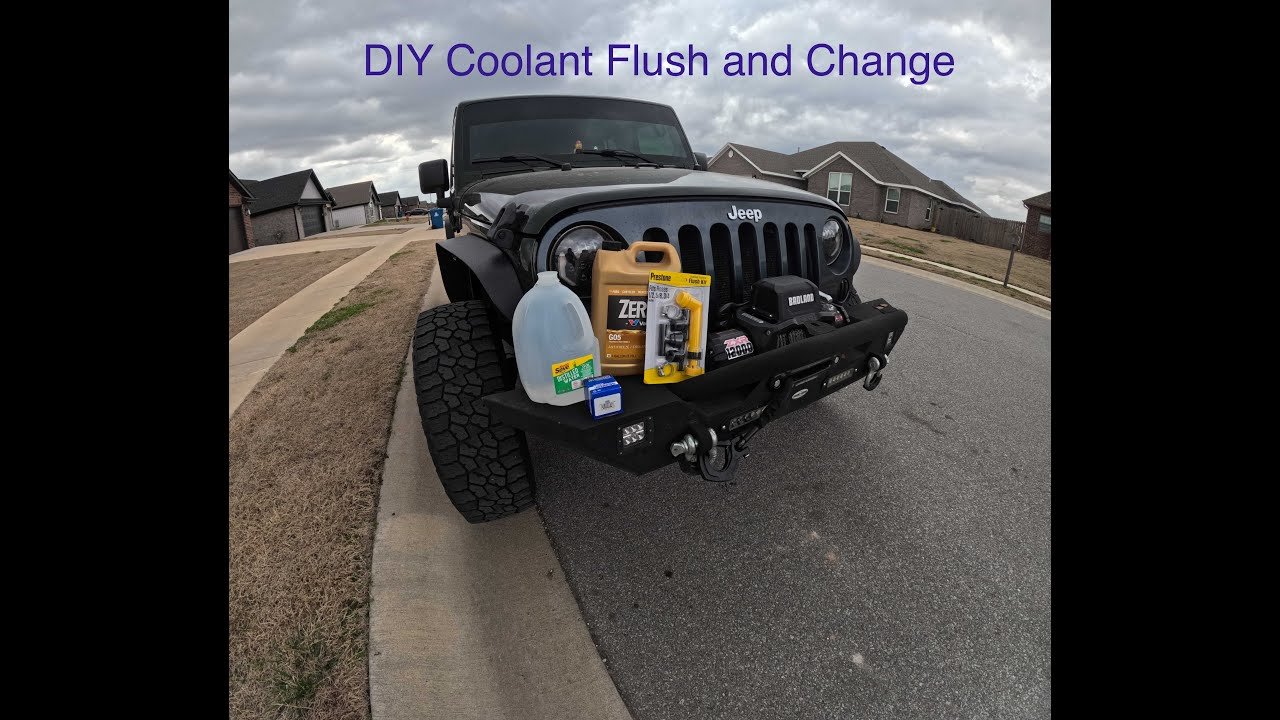
- Coolant flush solution (for cleaning deposits)
- New coolant (check Jeep’s manual for type: Usually ethylene glycol-based)
- Distilled water (for rinsing)
- Drain pan (large enough for old coolant)
- Gloves and safety glasses
- Socket wrench or screwdriver (for drain plug/petcock)
- Funnel
- Garden hose (optional, for extra rinsing)
- Jack and jack stands (if needed for clearance)
- Shop towels or rags
Jeep radiators typically hold 2 to 3 gallons of coolant. Always check your model’s specific requirements.
Step-by-step Guide: Flushing A Jeep Radiator
Follow these steps carefully to ensure a safe and thorough flush.
1. Prepare Your Jeep
- Park on a flat surface, let the engine cool fully.
- Open the hood. Locate the radiator, radiator cap, and drain plug (usually at the bottom of the radiator).
- Put on gloves and safety glasses. Coolant is toxic—avoid skin contact.
2. Drain Old Coolant
- Place a drain pan under the radiator.
- Slowly open the radiator cap (never open it when hot—steam and pressure can cause injury).
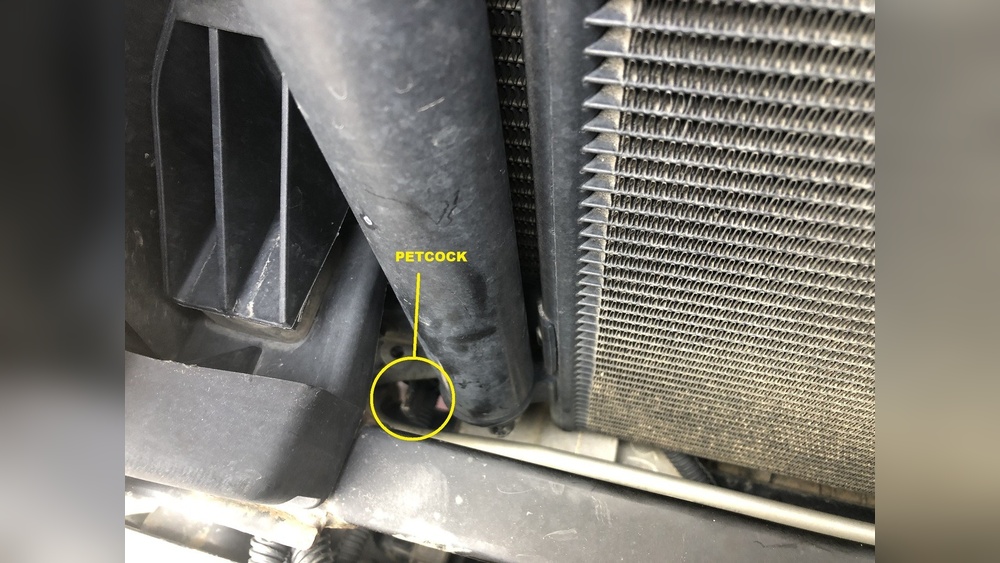
- Open the drain plug or petcock. Let the coolant drain completely.
- Some Jeeps have a drain plug on the engine block—open this for a full flush if accessible.
3. Flush With Water
- Close the drain plug.
- Fill the radiator with distilled water using a funnel.
- Replace the cap and start the engine. Let it run for 10–15 minutes, then turn it off.
- Let the engine cool, then drain the water. This removes more old coolant and loose debris.
4. Apply Coolant Flush Solution (optional, But Recommended)
- If the radiator is very dirty or you see rust, pour in a radiator flush solution (follow label instructions).
- Run the engine as directed—usually 10–20 minutes.
- Drain the solution and rinse again with distilled water.
5. Rinse And Repeat
- For heavily clogged radiators, repeat the water flush until water drains clear.
- For extra cleaning, use a garden hose to rinse the radiator (only if removed from the vehicle).
6. Refill With Fresh Coolant
- Close all drain plugs securely.
- Mix coolant and distilled water as specified (usually 50/50 for most Jeeps).
- Pour the new coolant into the radiator until full.
- Start the engine and let it idle. Watch the temperature gauge.
- Check for leaks around the radiator and hoses.
7. Check And Top Off
- After the engine warms up, recheck the coolant level. Add more if needed.
- Fill the coolant reservoir to the correct mark.
Comparison: Coolant Types For Jeep Radiators
Choosing the right coolant matters. Here’s how popular types compare:
| Coolant Type | Color | Protection | Recommended For | Longevity |
|---|---|---|---|---|
| Ethylene Glycol | Green | Excellent | Most Jeeps (pre-2012) | 2-3 years |
| OAT (Organic Acid Technology) | Orange | Very Good | Newer Jeeps (post-2012) | 5 years |
| HOAT (Hybrid OAT) | Purple/Blue | Excellent | Some Jeep models | 5 years |
Always use the coolant type specified in your Jeep’s owner’s manual. Mixing coolants can cause sludge and reduce performance.

Common Mistakes When Flushing A Jeep Radiator
Many people make mistakes that can cause problems later. Here are key pitfalls to avoid:
- Opening the radiator cap when hot: Always wait until the engine cools. Hot coolant can spray and burn.
- Using tap water for flushing: Tap water contains minerals that can cause deposits and corrosion. Use distilled water.
- Not tightening drain plugs: Loose plugs can lead to leaks or air pockets.
- Mixing coolant types: Only use the recommended coolant. Mixing can create sludge.
- Skipping the reservoir: Old coolant often hides in the overflow reservoir. Always clean and refill it.
A less obvious mistake: forgetting to properly bleed air from the cooling system. Air pockets can cause overheating even after a flush.
How Often Should You Flush A Jeep Radiator?
Jeep recommends a radiator flush every 30,000 to 50,000 miles, or every 2 5 years, depending on coolant type. Off-road driving, towing, or extreme heat can mean you need to flush more often.
For example, if you drive your Jeep in dusty, muddy conditions, check the coolant every 12 months.
Here’s a quick reference:
| Jeep Model | Recommended Flush Interval | Driving Conditions |
|---|---|---|
| Wrangler (pre-2012) | Every 2 years | Normal |
| Cherokee (post-2012) | Every 5 years | Normal |
| Grand Cherokee | Every 3 years | Heavy/off-road |
Signs Your Jeep Needs A Radiator Flush
Sometimes, you need to flush the radiator sooner than the scheduled interval. Watch for these signs:
- Coolant looks rusty or dirty in the reservoir
- Temperature gauge climbs higher than normal
- Sweet smell from the engine bay
- Coolant leaks under the Jeep
- Heater not working or blows cold air
If you notice any of these, perform a radiator flush as soon as possible.
Practical Tips For A Successful Radiator Flush
Doing a radiator flush is straightforward, but a few expert tips can make it easier and safer:
- Use a flashlight to check for leaks after refilling.
- Dispose of old coolant properly—never pour it down the drain. Most auto parts stores accept used coolant.
- Record the date and mileage of your flush for future reference.
- Check hoses and belts while the radiator is empty. Replace any worn parts.
- Bleed air from the system by running the engine with the radiator cap off (watch for bubbles), then topping off coolant.
A common beginner mistake is forgetting to check the heater core. If your Jeep’s heater is weak, flushing the heater core can help.

Jeep Radiator Flush Cost: Diy Vs Professional
Flushing your radiator yourself is much cheaper than using a mechanic. Here’s a quick comparison:
| Flush Type | Cost | Time Required | Skill Level |
|---|---|---|---|
| DIY Flush | $20-$50 | 1–2 hours | Beginner/Intermediate |
| Professional Service | $100-$150 | 1 hour | None |
If you’re comfortable with basic tools and safety steps, doing it yourself saves money. But if you see signs of serious rust or leaks, a mechanic can check for deeper issues.
Extra Advice: What Beginners Often Miss
Two things beginners rarely notice:
- Coolant has a shelf life: Even unopened, coolant can lose effectiveness. Always check the expiration date.
- Heater core and water pump: Flushing the radiator also cleans these parts, but if you have heat issues, extra attention may be needed.
Remember, a clean radiator means a strong engine and fewer breakdowns.
Frequently Asked Questions
How Do I Know Which Coolant To Use For My Jeep?
Check your Jeep’s owner’s manual. Most older Jeeps use green ethylene glycol, while newer models use orange OAT or purple/blue HOAT. Never mix types. If unsure, ask at a dealership or refer to the official Jeep website.
Can I Flush The Radiator Without Removing It?
Yes, most radiator flushes are done with the radiator in place. Only severe clogs or leaks require removal.
Flushing in-place is faster and safer for most users.
Is It Safe To Use A Garden Hose For Flushing?
A garden hose can help rinse a removed radiator, but never use it inside the engine or with the radiator attached. Tap water leaves deposits stick to distilled water for best results.
What Should I Do With Old Coolant?
Old coolant is toxic. Take it to an auto parts store or recycling center.
Never pour it down the drain or onto the ground. Some states have strict laws about disposal.
What Are The Risks If I Skip Radiator Flushes?
Skipping flushes lets rust, deposits, and old coolant build up. This can cause overheating, leaks, and expensive engine damage. Regular flushing keeps your Jeep reliable and safe.
Flushing your Jeep radiator is a simple job that pays off in smoother performance and fewer repairs. Take your time, follow the steps, and your Jeep will keep cool for years ahead. For more details and specifications, check the official Jeep Maintenance Guide.