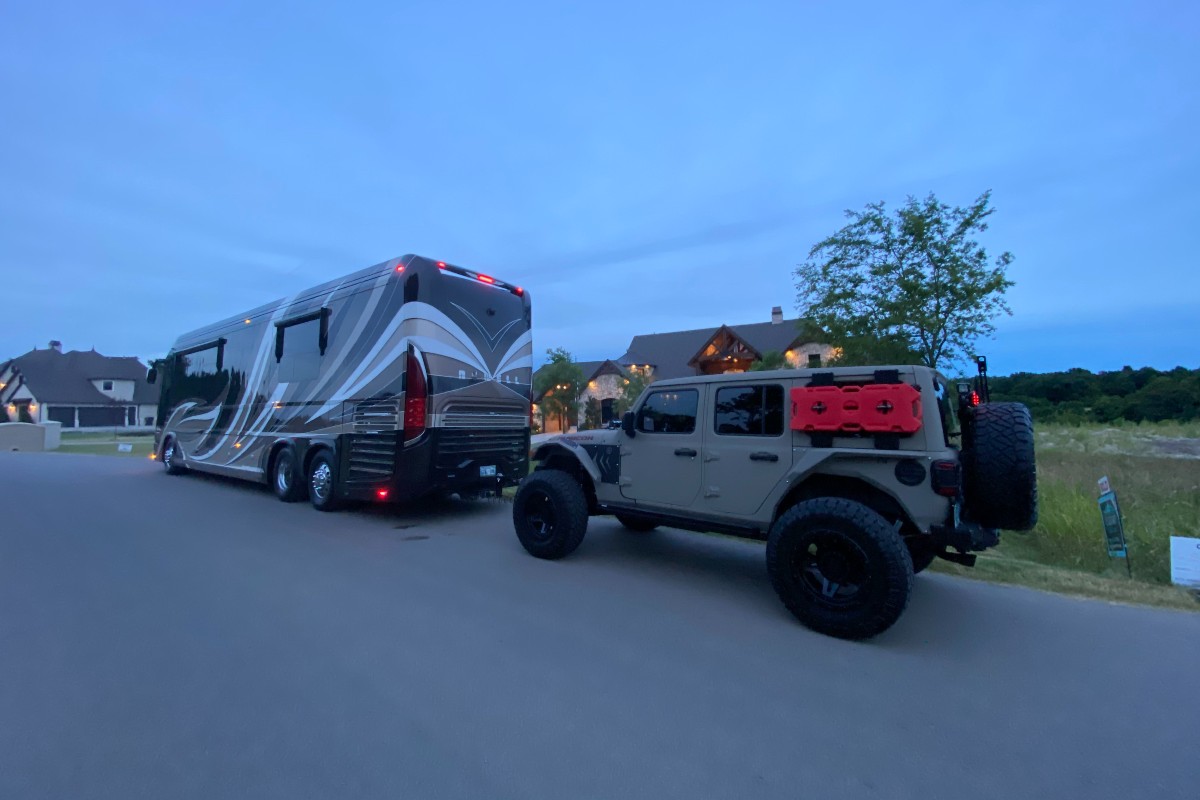
Flat towing a Jeep is a popular way to bring your adventure vehicle along for the ride. Many RV owners, off-roaders, and campers choose flat towing because it’s simple and doesn’t require a trailer.
But you can’t just hook up your Jeep and drive away.
Flat towing demands careful setup, the right equipment, and attention to safety. If you’re new to flat towing, or want to avoid common mistakes, this guide will help you get it right.
What Is Flat Towing?
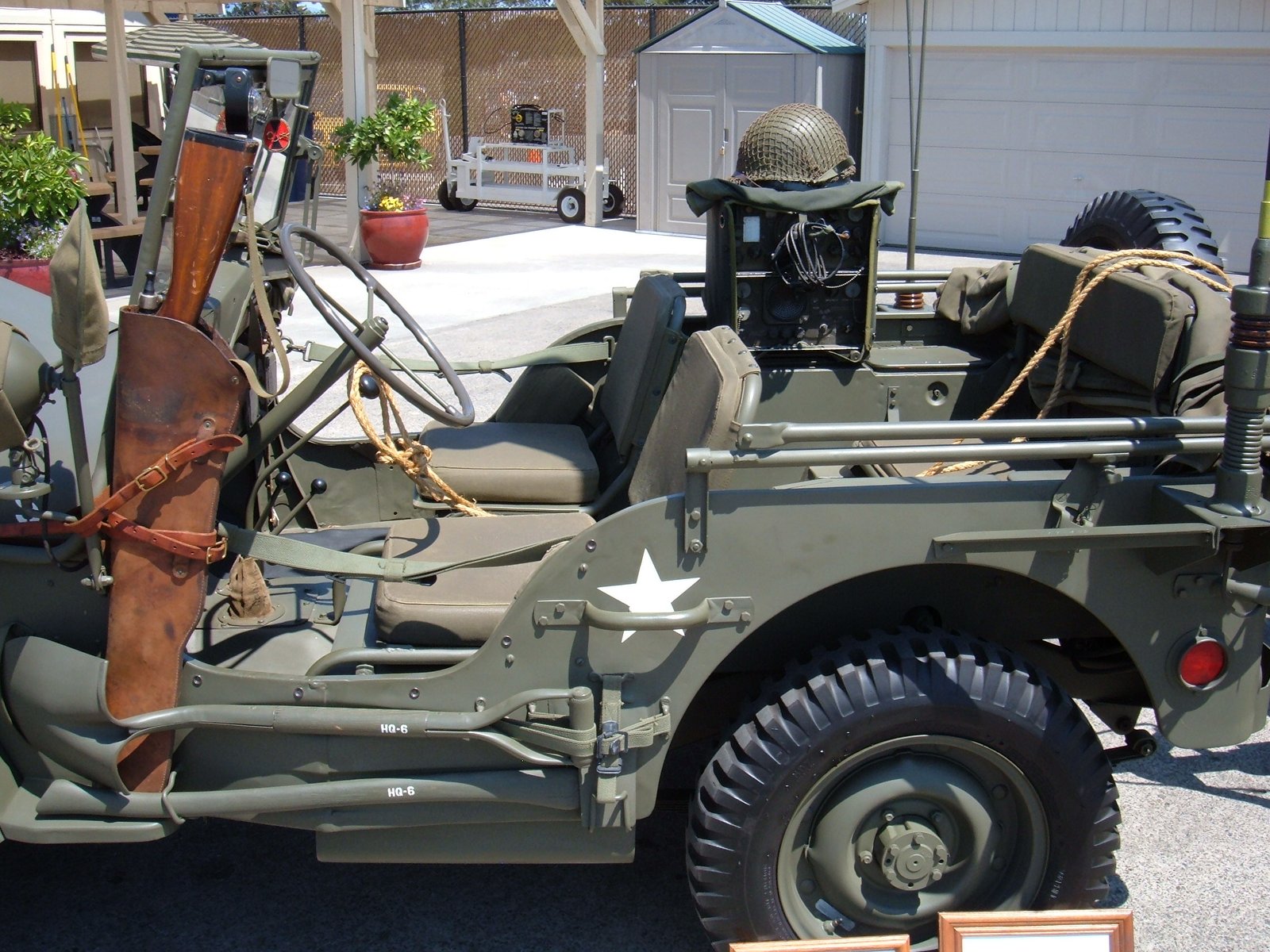
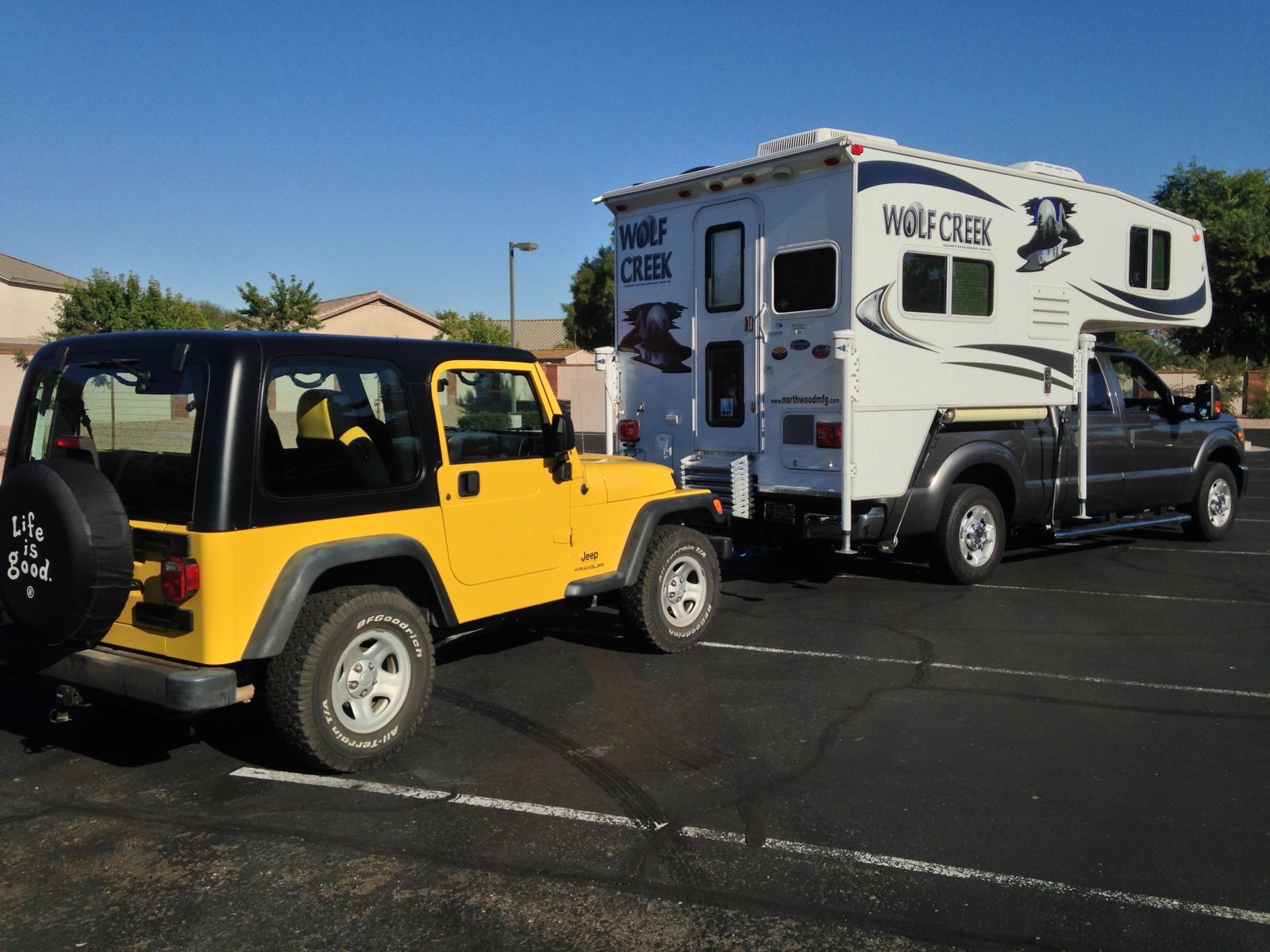
Flat towing means pulling your vehicle with all four wheels on the ground. This is different from dolly towing (where only two wheels touch the road) or trailer towing (where the vehicle is fully off the ground). Many Jeep models, especially those with manual transfer cases like the Jeep Wrangler, are ideal for flat towing.
Flat towing is also called “dinghy towing” in the RV world. It allows you to use your Jeep for exploring once you reach your destination, without unloading from a trailer.
Choosing The Right Equipment
Before you start, you need specific gear. Not all Jeeps can be flat towed, so check your owner’s manual first. Here’s what you’ll need:
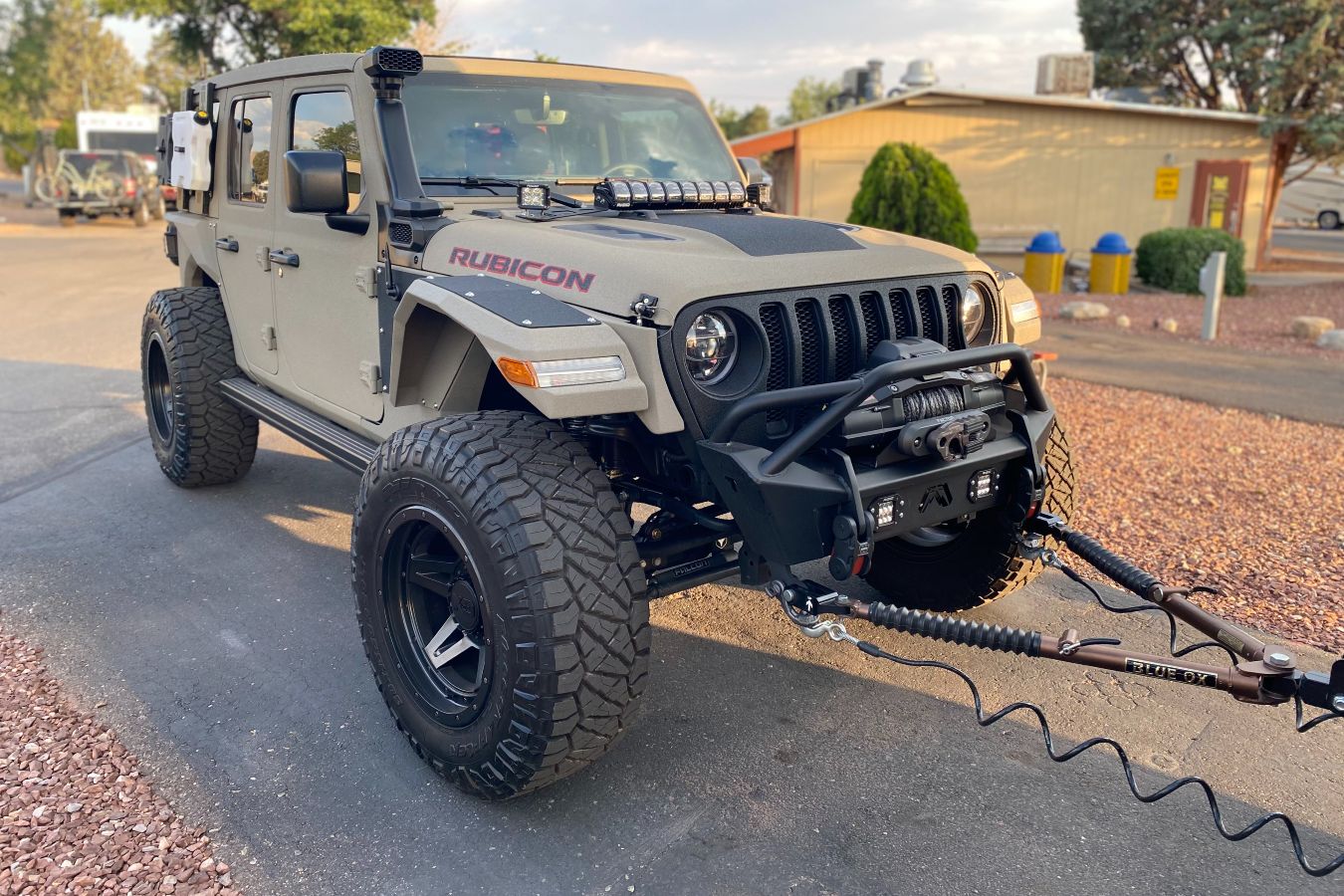
- Tow bar: Connects your Jeep to the towing vehicle.
- Base plate: Mounts to your Jeep’s frame and attaches to the tow bar.
- Safety cables: Backup connection in case the tow bar fails.
- Wiring harness: Links your Jeep’s brake lights and turn signals to the tow vehicle.
- Supplemental braking system: Helps your Jeep stop safely when being towed.
A common mistake is choosing equipment that doesn’t match your Jeep’s weight. Always check the maximum towing capacity of both your Jeep and the tow vehicle.
Here’s a quick comparison of popular tow bar models:
| Tow Bar Model | Weight Capacity (lbs) | Key Feature |
|---|---|---|
| Blue Ox Avail | 10,000 | Easy to attach/detach |
| Roadmaster Falcon 2 | 6,000 | Non-binding arms |
| CURT Rambler | 7,500 | Lightweight design |
Steps To Flat Tow Your Jeep
Flat towing takes more than just hooking up a tow bar. Follow these steps to avoid damage and ensure safety.
- Install the base plate: This is the foundation. It must be mounted securely to your Jeep’s frame. Professional installation is recommended.
- Attach the tow bar: Line up the tow bar with the base plate. Make sure all pins and clips are locked.
- Connect safety cables: Cross them under the tow bar for extra protection.
- Wire the lights: Use a wiring harness that integrates your Jeep’s brake lights, turn signals, and taillights with the tow vehicle.
- Set up the braking system: Many states require a supplemental brake for the towed vehicle. It reduces stopping distance and protects your Jeep’s brakes.
- Prepare your Jeep’s drivetrain:
- Shift the transfer case to “Neutral.”
- Place the transmission in “Park” (automatic) or “Neutral” (manual).
- Confirm with your Jeep’s manual—some models need extra steps.
- Check tire pressure: Tires should be at recommended PSI for safe towing.
- Double-check everything: Walk around and inspect each connection before starting.
Beginners often forget to unlock the steering column, which can cause tire wear or steering damage. Always check your Jeep’s setup before towing.
Here’s a summary of drivetrain settings for popular Jeep models:
| Jeep Model | Transfer Case Position | Transmission Position | Can Be Flat Towed? |
|---|---|---|---|
| Wrangler (Manual) | Neutral | Neutral | Yes |
| Wrangler (Automatic) | Neutral | Park | Yes |
| Grand Cherokee | Neutral (if equipped) | Park | Varies |
| Compass/Renegade | N/A | N/A | No |
Safety And Legal Considerations
Towing laws vary by state. Many require braking systems or breakaway switches. Always check local regulations before hitting the road. For example, in California, any towed vehicle over 1,500 lbs must have a supplemental braking system.
A good tip is to add a breakaway system. This device stops your Jeep if it disconnects from the tow vehicle.
Another common oversight is not checking the tow bar’s angle. The tow bar should be as level as possible.
An uneven tow bar can cause handling issues and increase wear on your Jeep.
Tips For Smooth Towing
- Drive slowly: Keep your speed under 65 mph, as recommended by most tow bar manufacturers.
- Avoid sharp turns: Flat towed vehicles can “jackknife” if turns are too tight.
- Inspect connections often: Stop every 100 miles to check your setup.
- Practice braking: Get used to the longer stopping distance.
- Use mirrors: Wide mirrors help you see your Jeep while towing.
Many beginners don’t realize that backing up is not possible with flat towing. If you need to reverse, detach your Jeep first.
Common Mistakes To Avoid
- Forgetting to shift the transfer case to neutral
- Not installing a supplemental brake when required
- Using the wrong tow bar or base plate
- Overlooking tire pressure
- Skipping regular inspections
If you’re unsure about equipment or setup, visit the official Jeep website or consult with a professional installer.
Frequently Asked Questions
How Do I Know If My Jeep Can Be Flat Towed?
Not all Jeeps are suitable. Check your owner’s manual. Most Wrangler models are ready for flat towing, but some newer SUVs like the Compass or Renegade are not.
What Speed Should I Drive When Flat Towing?
Stay below 65 mph. Most tow bar manufacturers suggest this speed to prevent damage and ensure safety.
Do I Need A Braking System For My Jeep?
Yes, especially if your Jeep weighs over 1,500 lbs. Many states require it by law. It improves safety and reduces stress on your RV or tow vehicle.
Can I Back Up While Flat Towing?
No. Flat towing doesn’t allow for backing up. You must detach your Jeep before reversing.
Where Can I Get More Detailed Information?
For official guidance and detailed towing instructions, visit the Jeep Owner’s Manual.
Flat towing your Jeep opens up a world of travel freedom. With the right gear, careful setup, and smart safety habits, you can tow confidently and enjoy your adventures.
Take your time to learn, double-check your equipment, and follow both the manufacturer’s and local legal requirements.
That way, every trip will start and end safely.