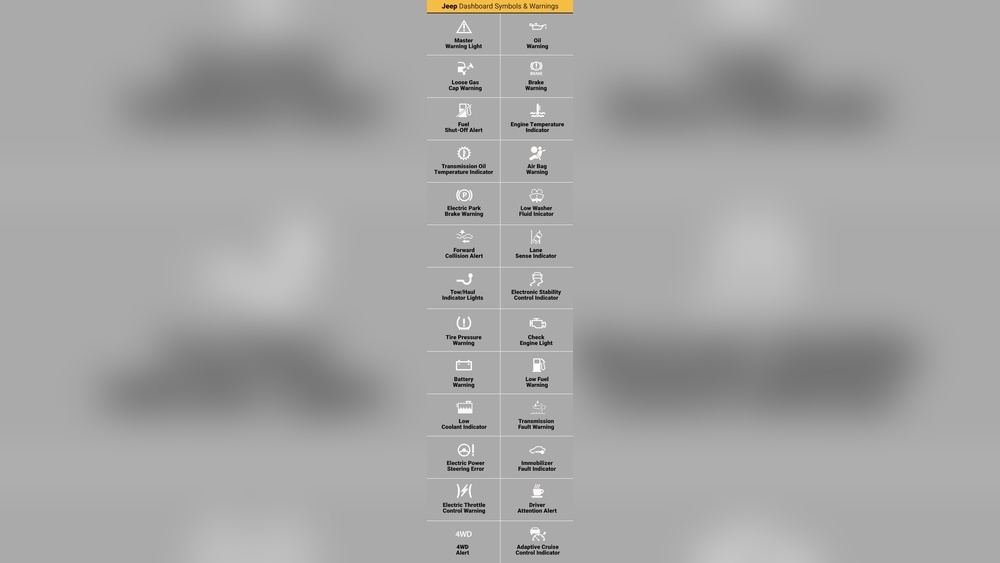
If you drive a 2006 Jeep Commander, you may notice lights on the dashboard turning on unexpectedly. These dashboard lights, also called warning indicators, show important information about your car’s health.
Sometimes, a light means a minor issue, but it could also warn about a serious problem. Understanding what these lights mean and learning how to fix them will help you drive safely and avoid expensive repairs.
This guide will help you troubleshoot and fix dashboard lights on your Jeep Commander, even if you are not an experienced mechanic.
Why Do Dashboard Lights Turn On?
Dashboard lights turn on to warn you about issues with your car. The most common reasons include:
- Sensor Problems: If a sensor in the engine or brakes fails, a warning light will turn on.
- Low Fluids: Oil, coolant, or brake fluid levels that are too low trigger a warning.
- Battery and Electrical Issues: Weak batteries or faulty wiring can cause lights to appear.
- Worn Parts: Items like brake pads or tires trigger lights when they are worn out.
Ignoring these lights can lead to bigger problems. Even if your Jeep seems to drive normally, it’s best to fix the issue right away.
Common Dashboard Lights In A 2006 Jeep Commander
The Jeep Commander has several dashboard lights. Here are the most frequent ones:
- Check Engine Light
- ABS Light
- Oil Pressure Warning
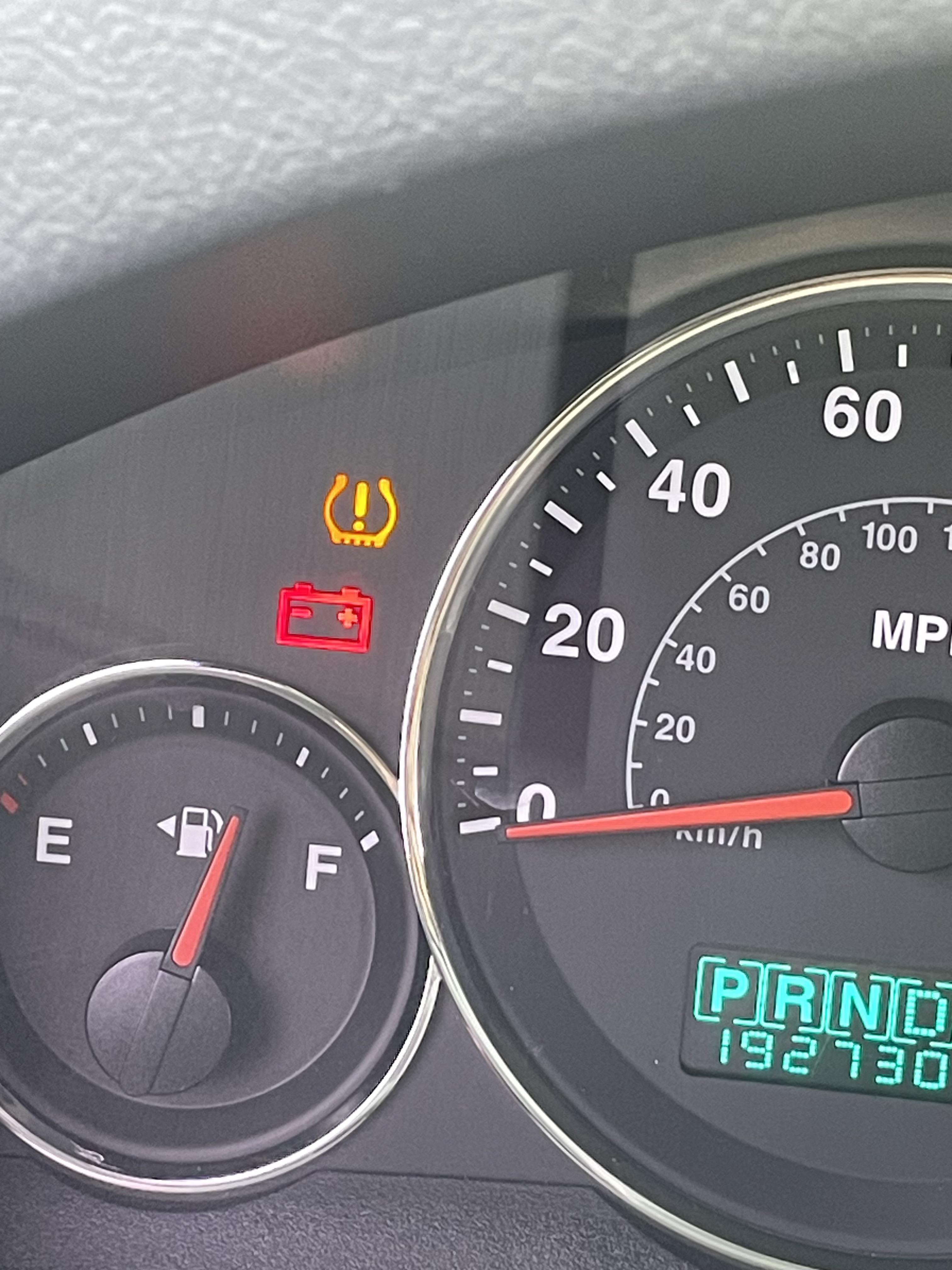
- Battery/Charging Light
- Brake Warning
- Tire Pressure Monitoring (TPMS)
- Coolant Temperature Light
- Airbag Warning Light
Let’s look at how to fix each one.

How To Fix Check Engine Light
The check engine light is the most common warning. It can signal many problems, from a loose gas cap to a serious engine issue.
Step-by-step Solution
- Check the Gas Cap: A loose gas cap can trigger this light. Tighten it and see if the light goes away after driving for a while.
- Scan for Codes: Use an OBD-II scanner to read the code from the computer. Many auto parts stores will scan your car for free.
- Interpret the Code: Look up the code online or ask a mechanic. Common codes include issues with oxygen sensors, spark plugs, or catalytic converters.
- Fix the Issue: Replace faulty parts as needed. For example, a bad oxygen sensor is a simple fix.
- Reset the Light: After repairs, clear the code with the scanner. If the light returns, more troubleshooting is needed.
Non-obvious tip: Sometimes, the check engine light comes on due to a temporary issue. If the car drives fine, try waiting a day or two before spending money on repairs.
Fixing Abs Light
The ABS (Anti-lock Braking System) light means something is wrong with your brakes.
Steps To Repair
- Check Brake Fluid Level: Low fluid can cause the ABS light.
- Inspect Wheel Sensors: Dirty or broken sensors are common. Clean or replace them.
- Scan for Codes: An OBD-II scanner will help you find the exact cause.
- Replace Faulty Parts: ABS modules or sensors may need replacement.
Insight: Many drivers forget to check for corrosion on sensor connectors. Cleaning them can fix the ABS light without buying parts.
Oil Pressure Warning
This light warns of low oil pressure. It’s important because driving with low oil can damage your engine.
What To Do
- Check Oil Level: Add oil if needed.
- Inspect for Leaks: Look under the car for oil spots.
- Replace Oil Filter: A clogged filter can lower oil pressure.
- Check Oil Pressure Sensor: If oil level is fine, the sensor may be bad.
Practical tip: Don’t ignore this light. If oil level is normal and the light stays on, tow the car to a mechanic.
Battery/charging Light
The battery light means the charging system isn’t working properly.
Quick Fixes
- Check Battery Terminals: Clean any corrosion.
- Test Battery Voltage: Use a multimeter; 12.6V means a healthy battery.
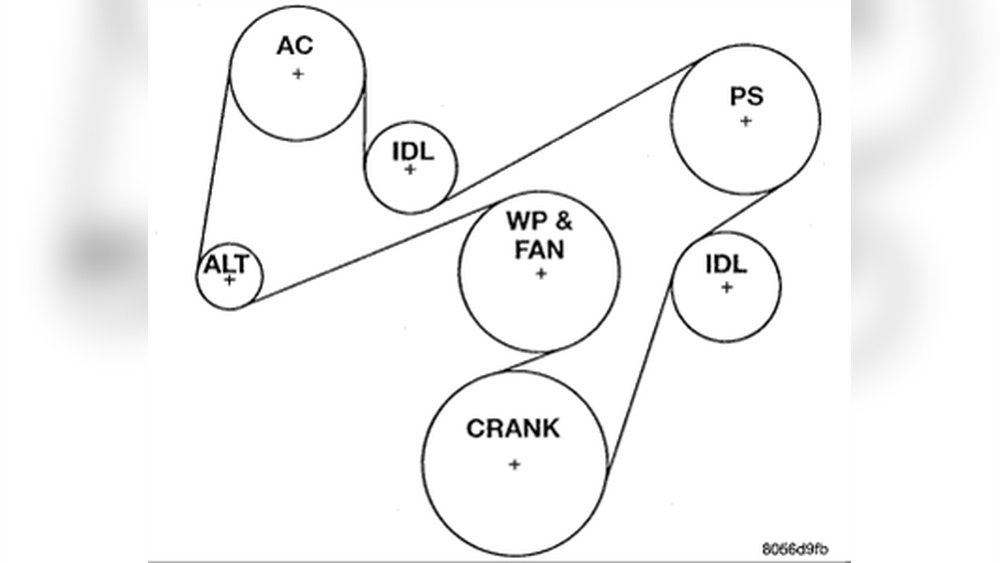
- Inspect Alternator Belt: If loose or broken, replace it.
- Test Alternator: If the battery is fine, the alternator may need replacement.
Data point: A weak alternator is a common cause in Jeep Commanders over 100,000 miles.
Brake Warning Light
The brake light may show up for several reasons.
Troubleshooting
- Check Brake Fluid: Top up if needed.
- Inspect Brake Pads: Thin pads trigger this warning.
- Look for Electrical Issues: Faulty sensors or wiring can turn the light on.
Example: Some owners find that a stuck parking brake triggers the warning. Release the brake fully and check again.
Tire Pressure Monitoring System (tpms)
Low tire pressure triggers the TPMS light.
Steps
- Check Tire Pressure: Use a gauge. Inflate to the recommended psi (usually 33–36 psi).
- Inspect Sensors: Dead batteries in sensors are common in older Jeeps.
- Reset System: After inflating tires, drive for 10 minutes to reset the light.
Non-obvious: Cold weather lowers tire pressure and triggers the light. Recheck tires in warm weather before replacing sensors.
Coolant Temperature Warning
This light means the engine is overheating.
Solutions
- Check Coolant Level: Add coolant if low.
- Inspect Radiator and Hoses: Look for leaks or cracks.
- Test Thermostat: A stuck thermostat causes overheating.
- Check Cooling Fan: Make sure it turns on when the engine is hot.
Insight: Many Jeep Commanders have radiator cap issues. Replace the cap if you see leaks.
Airbag Warning Light
The airbag light means the safety system has a fault.
What To Do
- Check Seat Sensors: Make sure nothing blocks the sensors.
- Scan for Codes: Use an OBD-II scanner.
- Inspect Wiring: Loose wires under seats can cause this light.
- Replace Faulty Parts: Bad sensors or modules need replacement.
Practical tip: Never ignore this light. Airbags may not work in a crash.
Comparison: Common Causes Vs. Rare Causes
Here’s a quick look at what usually triggers dashboard lights compared to rare causes:
| Light Type | Common Cause | Rare Cause |
|---|---|---|
| Check Engine | Loose gas cap | Wiring fault |
| ABS | Dirty sensor | ABS module failure |
| Oil Pressure | Low oil | Engine damage |
| Battery | Bad alternator | Broken battery cable |
How To Read And Reset Dashboard Lights
Resetting dashboard lights is not always simple. Here’s how you can do it:
- Fix the Root Cause: Repair the issue first.
- Use an OBD-II Scanner: Plug it into the port under the dashboard.
- Follow Scanner Prompts: Most scanners let you clear codes after fixing.
- Drive for a Few Miles: Some lights reset automatically after driving.
Note: Some lights, like TPMS, need you to drive before they turn off.
When To See A Mechanic
Certain lights mean you should get professional help:
- Oil Pressure Warning: If oil level is normal but light stays on.
- ABS Light: If brakes feel soft or unsafe.
- Airbag Warning: If you can’t reset the light.
Trying to fix these yourself could make things worse. Always ask a mechanic if you’re unsure.
Data Table: Average Repair Costs (us)
Here’s what you can expect to pay for common dashboard light fixes:
| Warning Light | Average Cost | DIY Difficulty |
|---|---|---|
| Check Engine | $50–$500 | Medium |
| ABS | $100–$800 | Hard |
| Oil Pressure | $50–$400 | Easy |
| Battery | $100–$300 | Easy |
| TPMS | $10–$200 | Easy |
Preventing Dashboard Light Issues
You can stop most dashboard lights from coming on by following these steps:
- Regular Maintenance: Change oil, check fluids, and inspect brakes often.
- Check Sensors: Clean and inspect sensors every 6 months.
- Battery Care: Clean terminals and test battery each year.
- Tire Pressure: Check monthly, especially in winter.
- Drive Carefully: Avoid harsh braking and over-revving.
Non-obvious advice: Many Jeep Commanders develop sensor issues after being exposed to water or mud. If you drive off-road, clean under the car often.
Useful Resources
For more details on dashboard lights and repairs, visit the official Jeep website or check out Jeep’s Service Guide.
Frequently Asked Questions
How Do I Know Which Dashboard Light Is Most Urgent?
Red lights are usually more urgent than yellow or orange. For example, the oil pressure warning or brake warning light means you should stop driving and fix the issue right away.
Can I Drive With The Check Engine Light On?
If the check engine light is steady and the car drives normally, you can drive for a short time. If it blinks, stop driving and get help immediately.
How Do I Reset The Tire Pressure Monitoring System (tpms) Light?
After inflating tires to the correct pressure, drive your Jeep for about 10 minutes. The TPMS light should turn off automatically. If not, the sensor may need replacement.
What Tools Do I Need To Fix Dashboard Lights?
You need an OBD-II scanner, a basic tool set, and sometimes a multimeter. Many fixes only require checking fluid levels or tightening parts.
Why Does The Abs Light Keep Coming Back After Repairs?
The ABS light often returns if a sensor connector is dirty or corroded. Clean all connectors, and check the wiring carefully before replacing expensive parts.
Fixing dashboard lights on a 2006 Jeep Commander doesn’t have to be stressful. With the right knowledge and tools, you can handle most issues yourself and keep your Jeep running smoothly. If a light keeps coming back, don’t hesitate to ask for professional help. This will keep you safe and save money in the long run.