If your Jeep Grand Cherokee is blowing cold air when it should be warm, or the heating system is weak, you’re not alone. Many owners face heat issues, especially in colder months. Losing heat in your Jeep can make driving uncomfortable—and sometimes unsafe. Let’s look at how to quickly diagnose and fix heat problems in your Grand Cherokee, so you can get back to a cozy ride.
Common Causes Of Heat Problems
Understanding what might cause your Jeep’s heat to stop working is the first step to a fix. Here are the most frequent culprits:
- Low coolant level – Not enough coolant means less heat.
- Air in the cooling system – Air pockets block flow and lower heat.
- Faulty thermostat – A stuck thermostat can keep your engine from heating up.
- Heater core clog – Debris in the heater core blocks hot coolant flow.
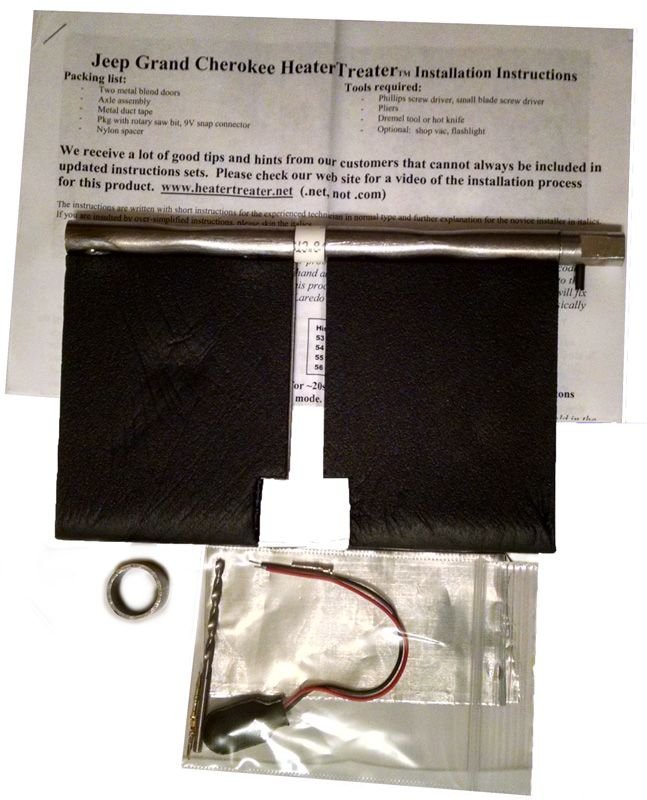
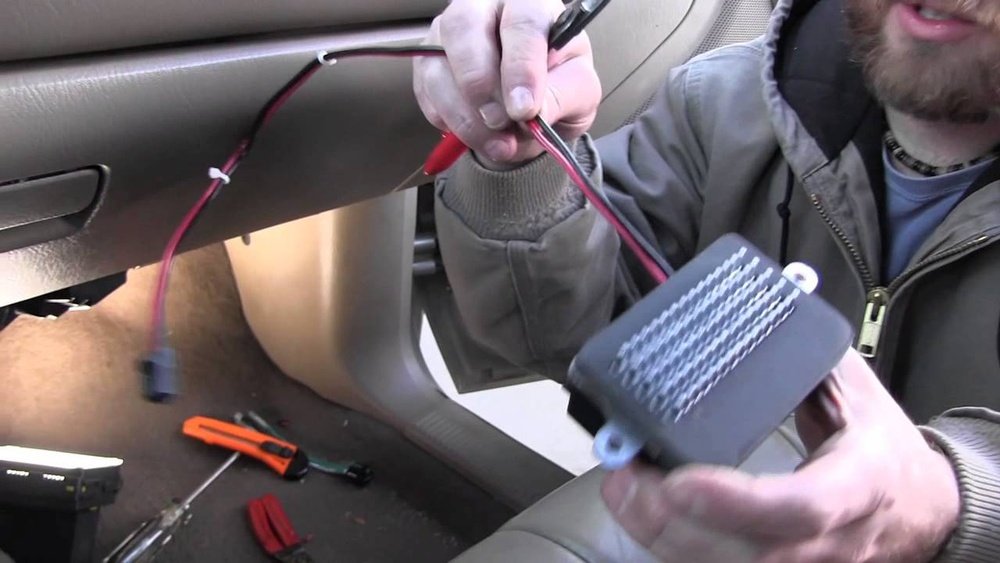
- Blend door actuator failure – This part directs air; if broken, you get the wrong temperature.
Even experienced drivers sometimes miss that heater problems often start with simple issues like coolant leaks or old hoses. Always check these before moving to advanced repairs.
Diagnosing The Problem
You don’t need to be a mechanic to find the source of the heat loss. Follow these steps to narrow down the issue:
| Symptom | Likely Cause | Check |
|---|---|---|
| No heat at all | Low coolant, thermostat stuck open | Check coolant tank and gauge |
| Heat on one side only | Blend door issue | Test all vents |
| Weak heat | Heater core clog, air in system | Feel heater hoses |
| Heat cuts in/out | Coolant leak, air pocket | Look for leaks under Jeep |
A practical tip: Let the Jeep run for 10 minutes, then touch the two heater hoses under the hood. Both should be hot. If one is cold, the heater core may be blocked.
How To Fix Heat In Your Jeep Grand Cherokee
After identifying the likely problem, you can start with the right fix. Here’s how to address the most common causes.
1. Check And Refill Coolant
- Wait until the engine is cold.
- Open the coolant reservoir cap.
- Add a 50/50 mix of antifreeze and water to the “full” line.
- Drive for a few miles, let the engine cool, and recheck.
Pro tip: Only use the coolant type recommended in your Jeep’s manual. Mixing types can cause clogs.
2. Remove Air From Cooling System
Air pockets often cause poor heating. To “burp” the system:
- Park with the front of the Jeep raised (use a ramp if possible).
- Start the engine with the radiator cap off.
- Let it run until warm; you’ll see air bubbles escape.
- Top up coolant as needed and replace the cap.
3. Replace A Bad Thermostat
A thermostat stuck open won’t let the engine warm up. Signs include a temperature gauge stuck low and no cabin heat.
- Drain some coolant.
- Remove the thermostat housing (usually two bolts).
- Replace with a new thermostat.
- Refill coolant and check for leaks.
Thermostats are cheap often under $25 but a bad installation can cause leaks, so tighten bolts evenly.
4. Clear Heater Core Blockage
If one heater hose is cold, your heater core may be blocked. Here’s how to flush it:
- Disconnect both heater hoses (engine off and cool).
- Run a garden hose through one side until water runs clear from the other.
- Reconnect hoses, refill coolant, and check for leaks.
A common mistake is to flush too hard gentle water pressure avoids damage.
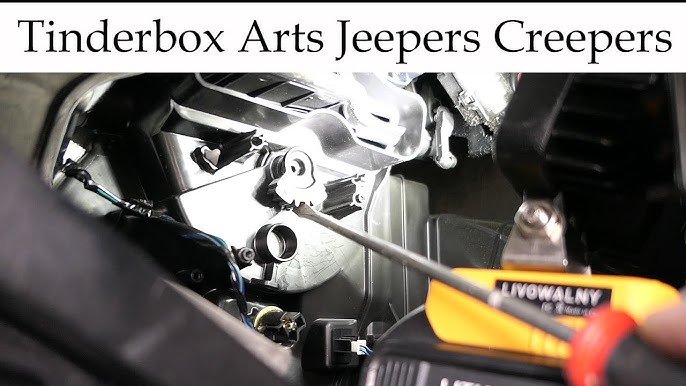
5. Fix Blend Door Actuator
If heat works only on one side, or changes randomly, a blend door actuator may be at fault.
| Model Year | Actuator Location | Replacement Difficulty |
|---|---|---|
| 2011–2021 | Behind glove box | Moderate |
| 2005–2010 | Center dash | Hard |
| 1999–2004 | Passenger footwell | Easy |
You’ll need a screwdriver set and patience. If the dash must come out, consider a repair shop.
Preventing Future Heat Loss
To avoid heating problems later, take these precautions:
- Check coolant level every month.
- Inspect hoses and radiator for leaks twice a year.
- Use only correct coolant mix.
- Run your heater for a few minutes each week—even in summer—to keep system parts moving.
Many owners forget to flush coolant every 2-3 years. Old coolant loses effectiveness and can damage the heater core.
When To Visit A Mechanic
If you’ve tried these fixes and still have no heat, it’s time for a professional. Complicated problems—like a leaking heater core under the dashboard—can cause coolant smells inside the Jeep and foggy windows. These repairs are complex and take special tools.
One overlooked sign is coolant on the carpet near the passenger side. This almost always means a heater core leak.
Cost Comparison: Diy Vs Professional Repair
Curious about repair costs? Here’s a quick look at typical price ranges:
| Repair Type | DIY Cost | Shop Cost |
|---|---|---|
| Coolant refill | $20–$40 | $50–$100 |
| Thermostat replace | $25–$50 | $120–$250 |
| Heater core flush | $0–$10 | $100–$200 |
| Blend door actuator | $30–$70 | $250–$500 |
DIY can save you hundreds, but if you’re unsure, a shop is safer especially for heater core replacement.
Final Thoughts
Fixing heat in your Jeep Grand Cherokee is possible for most owners with basic tools and patience. Start simple—check coolant, burp the system, and test the heater core. Don’t skip regular maintenance, and don’t ignore small leaks. If you get stuck, a good mechanic can solve deeper issues and keep your Jeep warm for years. For more in-depth model-specific repair guides, see the official Jeep Maintenance Resource.
Frequently Asked Questions
Why Does My Jeep Grand Cherokee Blow Cold Air When Idling?
This often means low coolant or a stuck thermostat. At idle, the engine may not be hot enough, or coolant isn’t reaching the heater core.
How Do I Know If My Heater Core Is Bad?
Signs include foggy windows, a sweet smell inside, wet carpet, or one heater hose staying cool while the other is hot.
Can I Drive My Jeep If The Heat Doesn’t Work?
You can, but it may be unsafe in cold weather due to poor windshield defrosting. Lack of heat can also signal bigger cooling system issues.
How Long Does It Take To Flush A Heater Core?
Usually 30 to 60 minutes for most DIYers. Allow extra time for disconnecting hoses and refilling coolant.
Why Does My Jeep’s Heat Only Work On One Side?
This is usually a blend door actuator problem. The actuator may be stuck or broken, so hot air only reaches one side of the cabin.